

Fibreglass Pool Installation Toronto: Costs, Shell Sizes and Installation Services
Fibreglass pool installation in Toronto typically costs between $50,000 and $90,000 installed — shell, excavation, plumbing, equipment, and basic coping included. Simpler projects on open lots with good access land toward the lower end. Larger shells, difficult access, or premium add-ons push costs higher.
Fibreglass is the fastest inground pool option. Most installs are complete and in the water within 1–3 weeks of excavation starting — significantly faster than vinyl liner (3–6 weeks) or concrete (3–6 months).
Easy Pools installs fibreglass pools across Toronto and the GTA, managing the full project from permit application to owner walkthrough.

Pool Installation
What Is a Fibreglass Pool?
A fibreglass pool is a single-piece shell manufactured off-site in a controlled factory environment. The shell arrives on a flatbed truck, is craned or lifted into a prepared excavation, set on a compacted gravel base, levelled, backfilled, and connected to plumbing and equipment. The interior surface — the gelcoat — is part of the shell itself, not a separate liner or applied finish.
This manufacturing approach is what gives fibreglass pools their main advantages: consistent quality, a non-porous surface that resists algae, and a dramatically shorter on-site build time than any other inground pool type.
Costs
Fibreglass Pool Costs in Toronto
Cost Component | Typical Range |
Fibreglass shell (supply) | $15,000 – $35,000 |
Excavation | $5,000 – $12,000 |
Delivery and placement | $1,500 – $4,000 |
Plumbing and equipment | $8,000 – $18,000 |
Electrical | $2,500 – $5,000 |
Coping and basic decking | $6,000 – $18,000 |
Permit fees | $500 – $2,000 |
Total installed (typical range) | $50,000 – $90,000 |
These figures reflect a standard residential install with a quality shell, basic equipment package, and concrete coping. They don’t include heating, lighting upgrades, water features, pool fencing beyond permit requirements, or extensive landscaping.
What pushes the cost up
Shell size. Larger shells cost more to manufacture, deliver, and excavate for. A 4 m x 9 m shell and a 5 m x 12 m shell are meaningfully different in both shell price and excavation scope.
Shell model. Shells with integrated features — tanning ledges, bench seating, step configurations — cost more than plain models. More complex moulds mean higher manufacturing cost.
Yard access. Fibreglass shells arrive in one piece on a flatbed. Getting the shell into a rear yard requires either a crane over the house, removal of fencing, or sufficient side-yard clearance. Difficult access adds crane time, equipment cost, and complexity.
Backfill material. Clean gravel backfill is standard and recommended. Some sites require importing fill material if the excavated soil is unsuitable — this adds to the project cost.
Equipment package. A basic single-speed pump and filter vs. a variable-speed pump, saltwater chlorinator, automated chemical dosing, and heat pump is a $10,000–$20,000 difference.
Decking and coping. Concrete coping and a basic brushed concrete deck costs significantly less than natural limestone coping and porcelain paver decking. This is one of the biggest levers on total project cost.
What keeps costs lower
- Selecting a mid-range shell size (4 m x 8 m to 4 m x 9 m is the sweet spot for most Toronto lots)
- Good side-yard access that doesn’t require crane-over placement
- Standard rectangular or slightly curved shell shape rather than complex freeform profiles
- Basic concrete coping and deck rather than premium stone
- Deferring heating and automation to a second season
Pool Sizes
Fibreglass Shell Sizes
Fibreglass pools come in fixed manufacturer sizes — the shell is moulded, so dimensions are predetermined. Width typically runs 3 m–5 m and length 6 m–12 m, with depth ranging from 1.2 m to 2.0 m depending on the model.
Common shell size categories:
Category | Typical Dimensions | Best For |
Compact | 3 m × 6 m – 3.5 m × 7 m | Small yards, plunge-style use, tight budgets |
Mid-size | 4 m × 8 m – 4.5 m × 9 m | Most Toronto residential lots — family use |
Large | 4.5 m × 10 m – 5 m × 12 m | Larger lots, active swimming, entertaining |
Lap configurations | 3 m × 12 m+ | Fitness swimming on suitable lots |
Choosing the right shell size for a Toronto lot
Toronto residential lots vary considerably. A 6 m wide rear yard in an older East York semi has very different constraints from a 15 m wide rear yard in Vaughan. Setback requirements (typically 1.2 m–1.8 m from property lines), the deck and coping around the pool, and space for equipment and fencing all need to be factored in.
A common mistake is choosing the largest shell that technically fits the lot, leaving no practical deck space around the pool. As a general rule, plan for at least 1.2 m–1.5 m of usable deck around the perimeter on all sides. We factor this into every site review.
Shell shapes available
Fibreglass manufacturers offer shells in a range of profiles:
- Rectangle: The most popular. Clean lines, efficient water volume, suits most backyards and all uses
- Oval and kidney: Softer curves, often used on informal or landscaped lots
- Freeform: Irregular organic shapes — more visual interest, less efficient for lap swimming
- L-shape: Deeper swimming area with a shallower attached section for children or lounging
- With integrated tanning ledge (baja shelf): A shallow platform (typically 20–30 cm deep) at the entry end — popular for lounging and young children
- With integrated bench seating: Built-in bench at pool depth, common in leisure-focused shells
Colour options vary by manufacturer — typically ranging across blues, aquas, greens, and neutral tones. The colour is moulded into the gelcoat, not painted, and doesn’t need to be renewed.
Why Choose
Why Choose Fibreglass Over Vinyl or Concrete?
Fibreglass is not the right choice for every project — but for the right yard and homeowner, it wins clearly on several fronts.
Faster installation
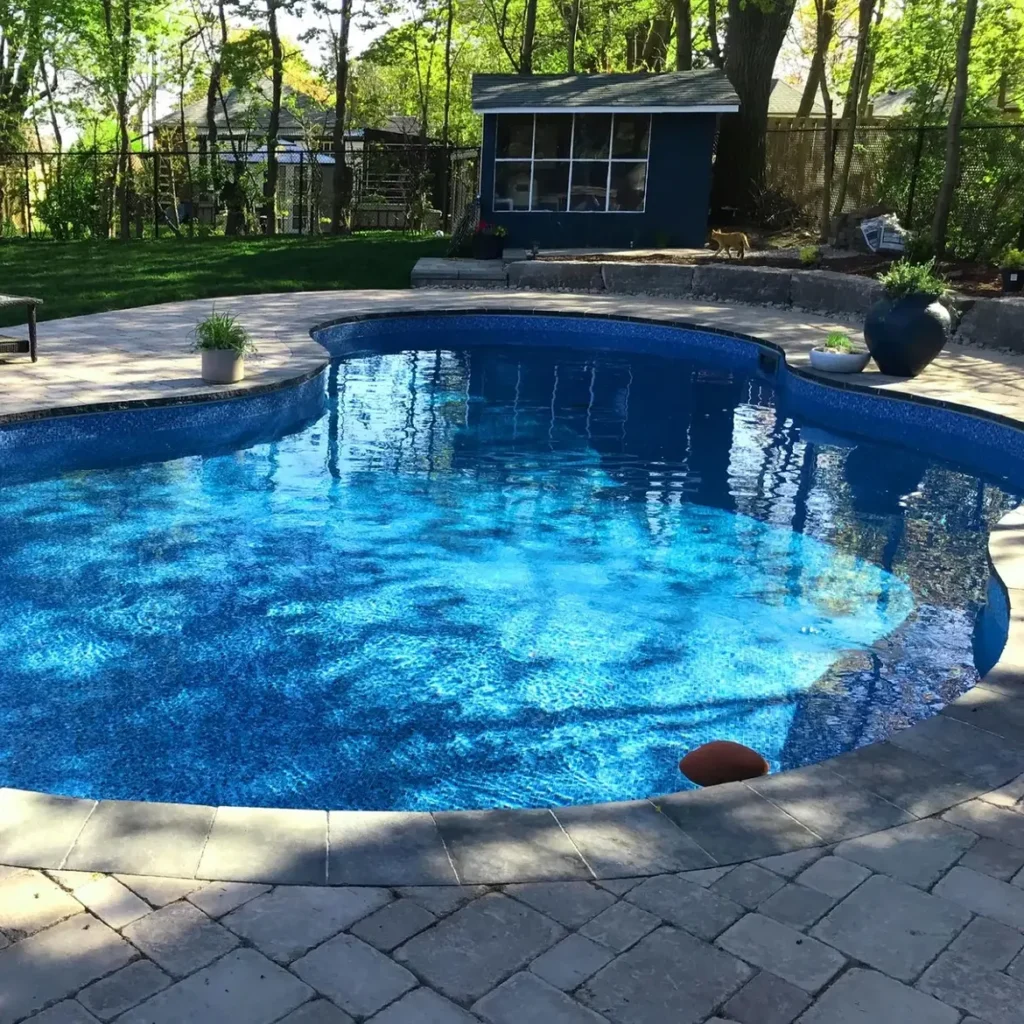
A fibreglass pool can go from excavation to water in 1–3 weeks. Vinyl takes 3–6 weeks. Concrete takes 3–6 months. If installation timeline matters — for example, you want to swim this summer and permits are already in hand — fibreglass is the clear answer.
Lower long-term maintenance
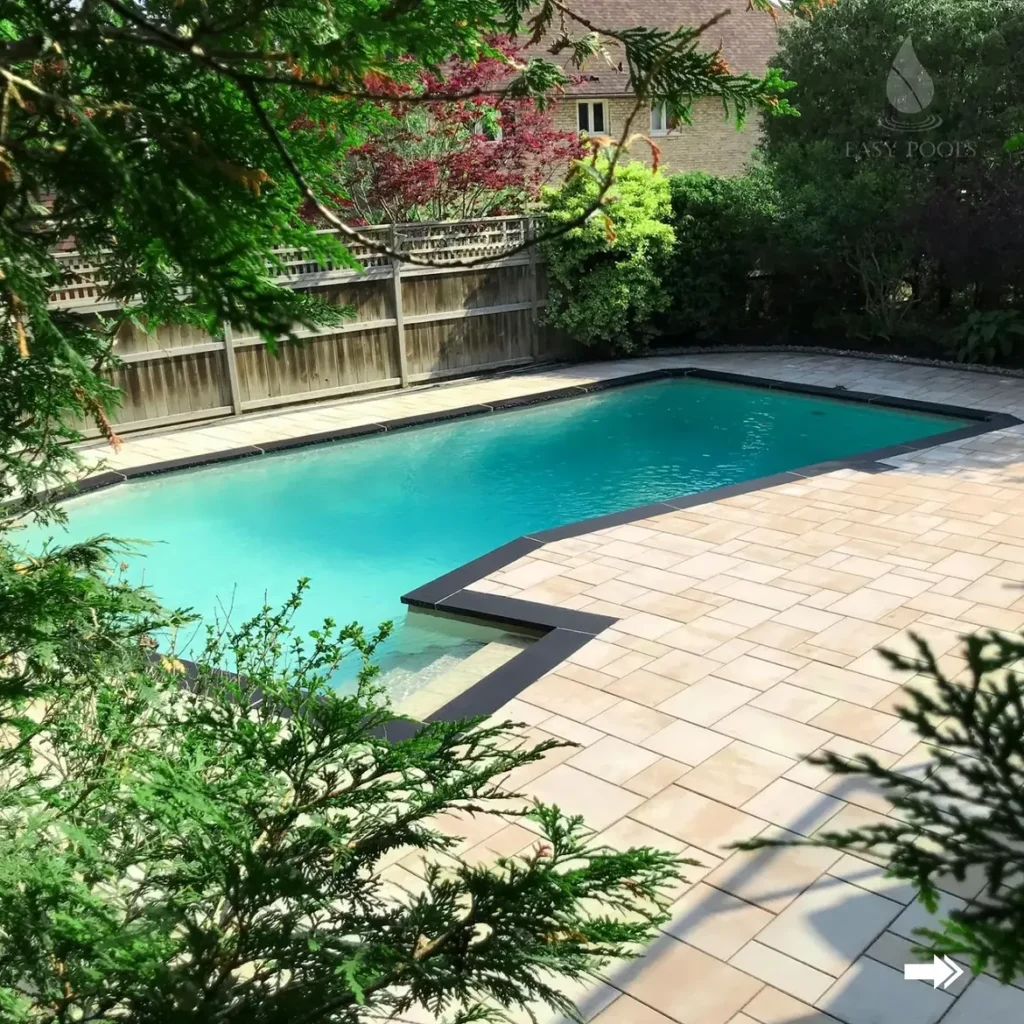
The non-porous gelcoat surface does not support algae growth the way plaster or concrete does. This reduces the frequency and cost of chemical treatments, the time spent scrubbing walls, and the likelihood of staining. Over a 10–20 year period, lower chemical and maintenance costs are a meaningful financial advantage.
No liner replacement
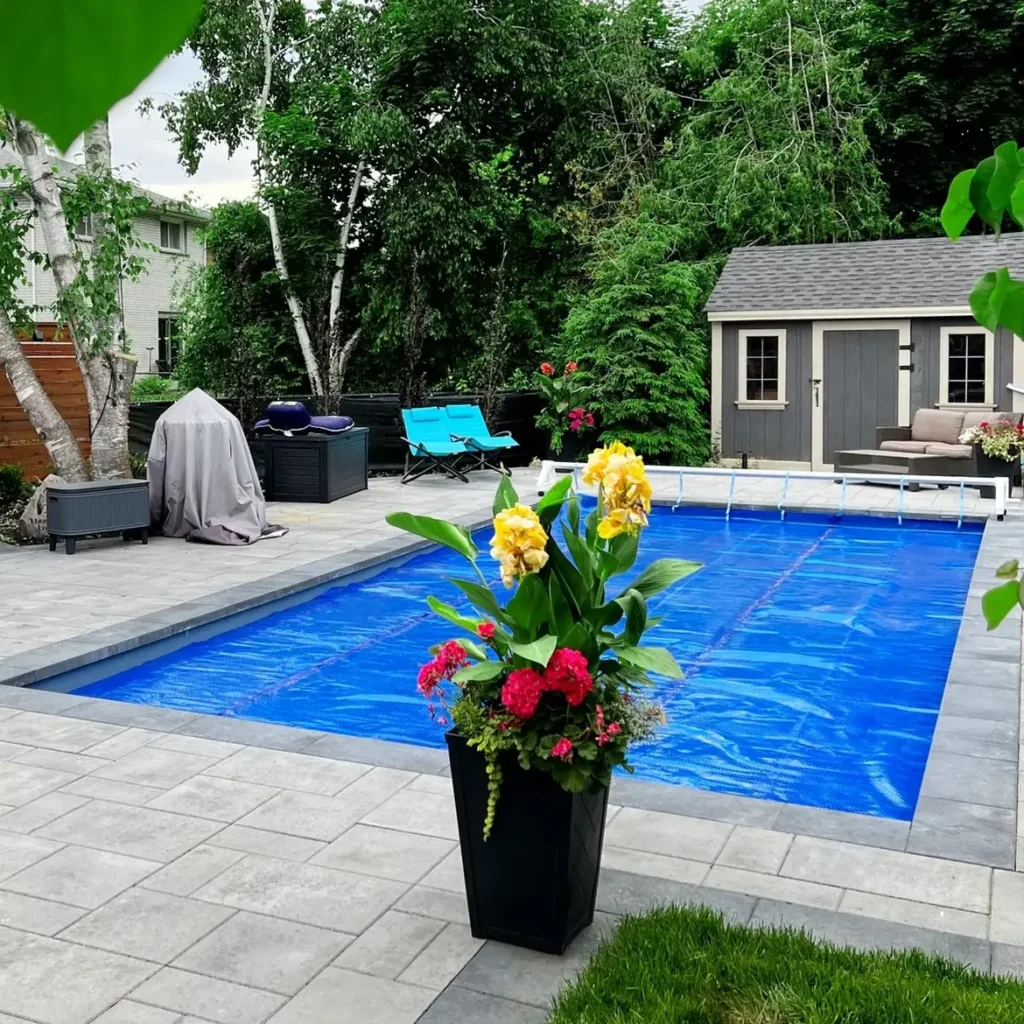
Vinyl liner pools require a full liner replacement every 10–15 years — typically $5,000–$10,000 including labour. Fibreglass shells don’t have a liner. The gelcoat surface can be recoated if it fades or chalks over decades, but this is not a routine maintenance item.
Comfortable surface
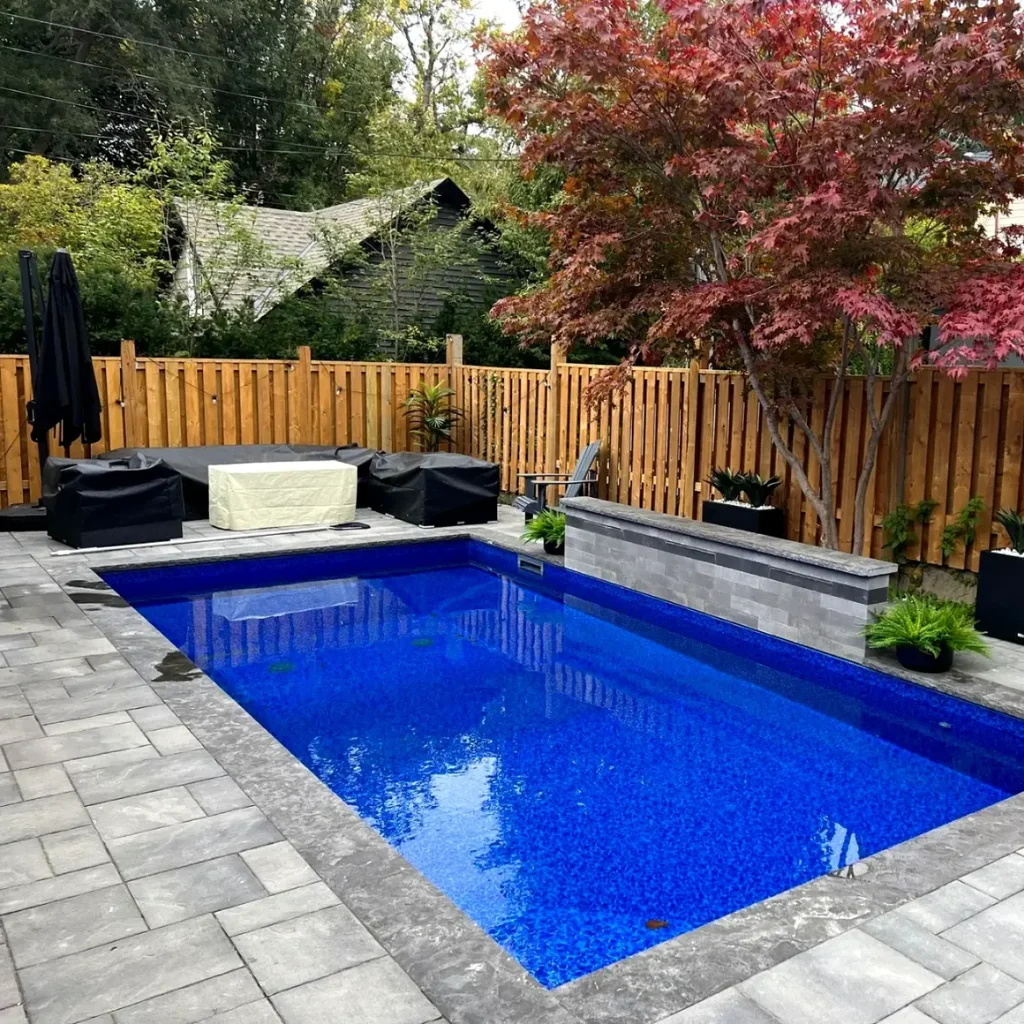
Gelcoat is smooth and comfortable underfoot. Concrete pools — particularly unfinished or aged plaster — can be rough on feet. Vinyl is similarly smooth but doesn’t have the structural rigidity of a fibreglass shell.
Where fibreglass is not the right choice
- You need a custom shape or size. If your yard or design vision requires a pool that doesn’t match any available shell — very large, very deep, L-shaped with specific dimensions, or a fully custom freeform — concrete is the right material.
- You have very difficult access. A one-piece shell needs to get into the backyard. If there’s no viable crane route, no adequate side clearance, and fencing removal won’t resolve it, a fibreglass shell may not be deliverable to your specific site.
- You want a diving pool. Most fibreglass shells max out at 2.0 m–2.1 m deep. A diving configuration typically requires 2.4 m+. Very few fibreglass manufacturers offer shells deep enough, and availability in Canada is limited.
work process
Fibreglass Pool Installation Process
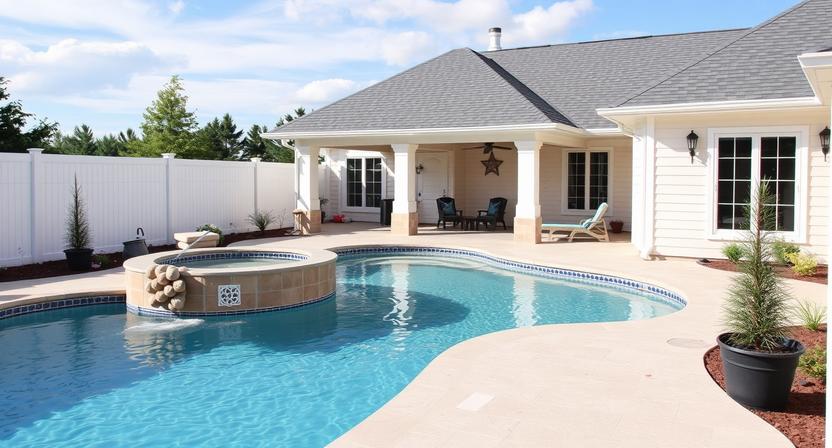
1. Site review and quote
We visit the property, measure the usable yard space, assess access for shell delivery and crane placement, check soil conditions, and confirm equipment and fence locations. A detailed, itemised quote follows — shell options, excavation, equipment, coping, and any access-specific requirements all specified.
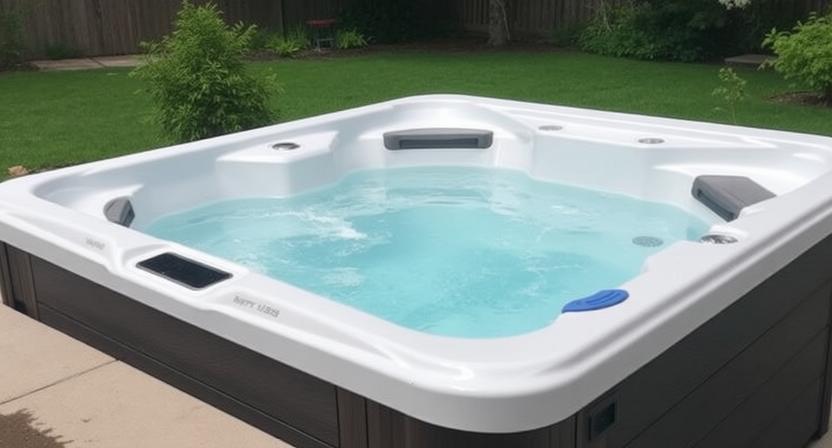
2. Permit applications
We prepare drawings and submit the Zoning Certificate and Pool Fence Enclosure Permit applications to the City of Toronto. Allow 4–10 weeks for approval. We track the application and manage any revisions.
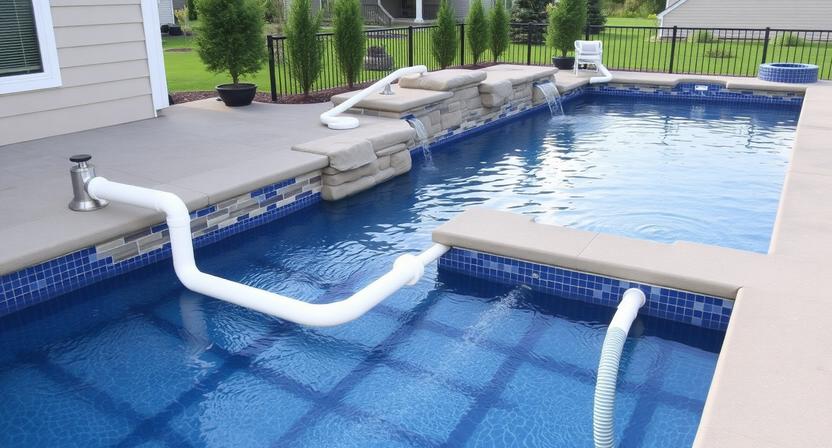
3. Utility locates
Ontario One Call locates all buried services before excavation begins. Mandatory by law — no exceptions.
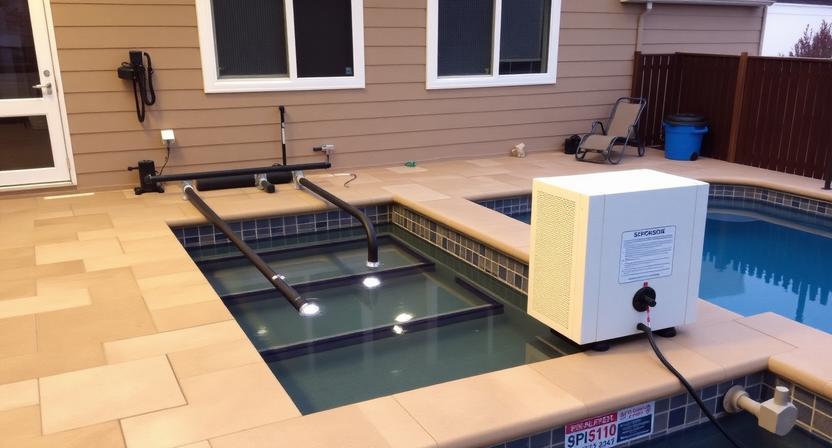
4. Excavation
The pool footprint is excavated to the depth and dimensions of the chosen shell, plus allowance for the gravel base and backfill clearance. For most fibreglass shells, this takes 1–2 days. Excavated material is removed from site.
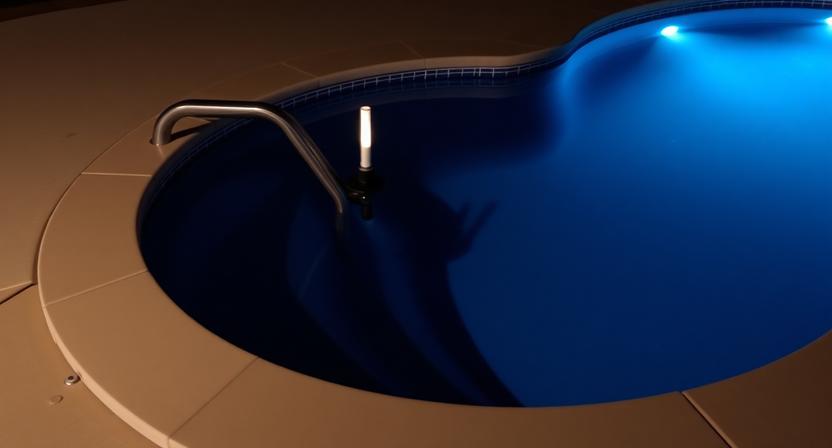
5. Gravel base preparation
A compacted gravel base is prepared at the correct depth to set the shell level. This base is critical — an unlevel or poorly compacted base causes alignment problems and can stress the shell over time.
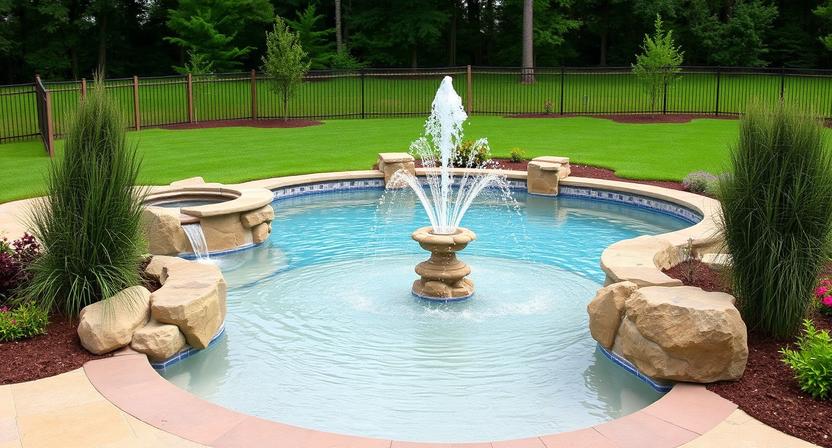
6. Shell delivery and placement
The shell arrives on a flatbed truck. Placement method depends on access:
- Side-yard clearance: Shell is manoeuvred directly through the side yard using a boom truck or roller system
- Crane over the house: Where side clearance is insufficient, a crane lifts the shell over the roofline and lowers it into the excavation — adds cost but is standard practice on constrained Toronto lots
The shell is set on the gravel base, levelled precisely in all directions, and temporarily supported while backfill work begins.
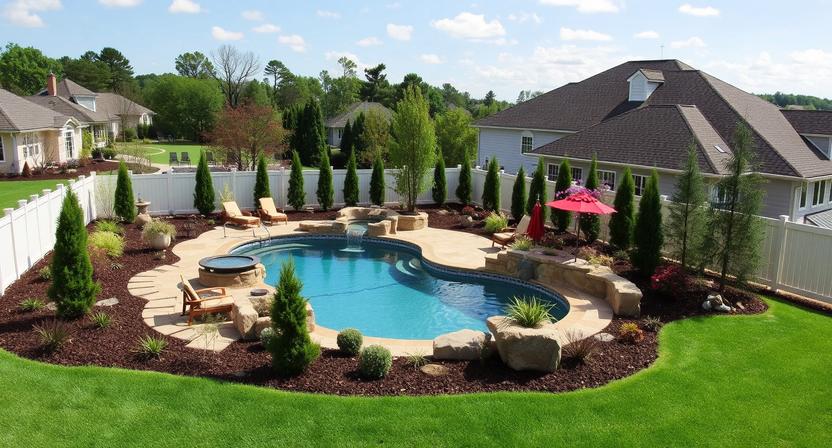
7. Plumbing roughed in
Return lines, suction lines, and any feature plumbing (water features, jets, automation) are connected to the shell’s pre-formed fittings before backfilling is complete.
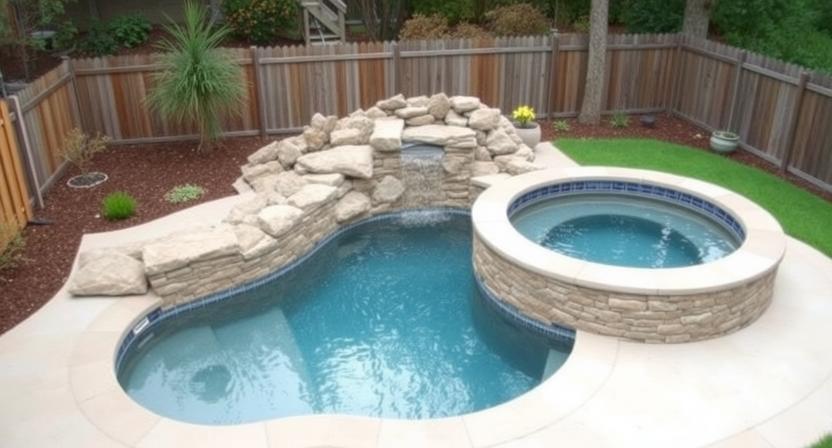
8. Backfilling
Clean gravel or approved fill is placed and compacted around the shell in stages as the shell is filled with water simultaneously. This balanced approach prevents shell movement and lateral pressure distortion during backfill.
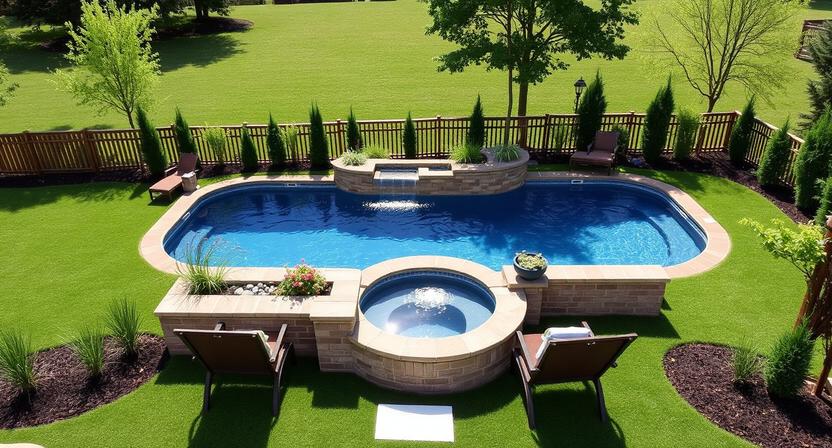
9. Equipment installation
Pump, filter, saltwater chlorinator or standard chlorination, heater (if included), and any automation controller are installed on an equipment pad outside the pool area and connected to the plumbing runs.
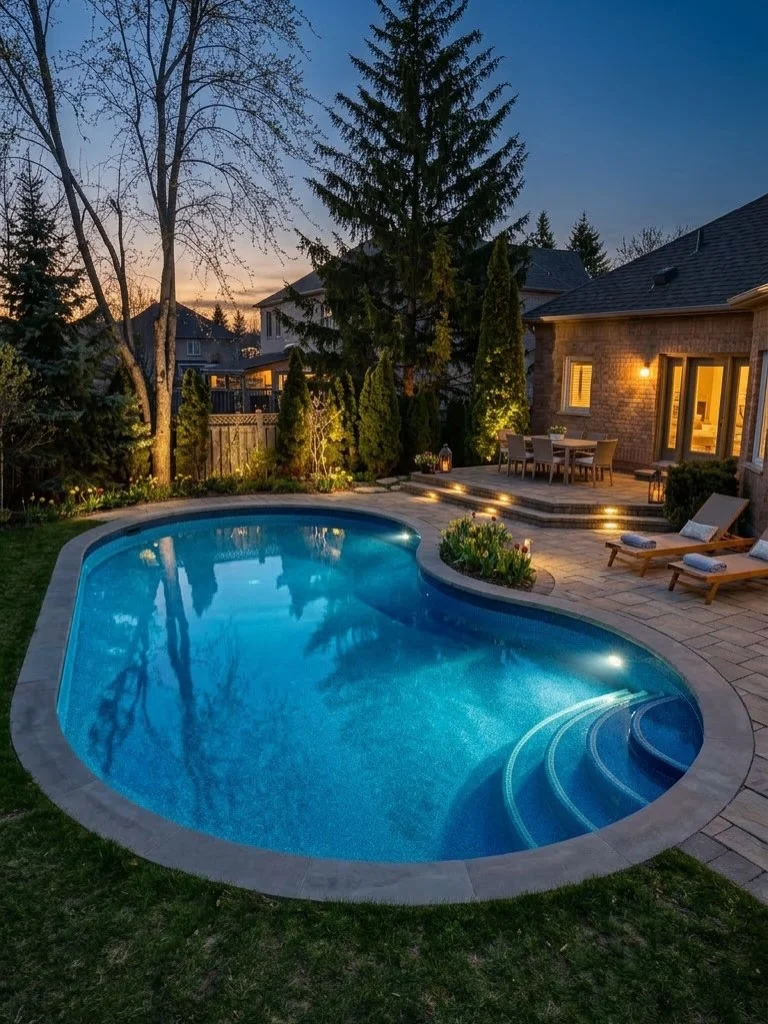
10. Electrical
A licensed electrician connects all pool equipment and lighting to the electrical panel. All pool electrical work in Ontario requires an ESA permit and inspection.
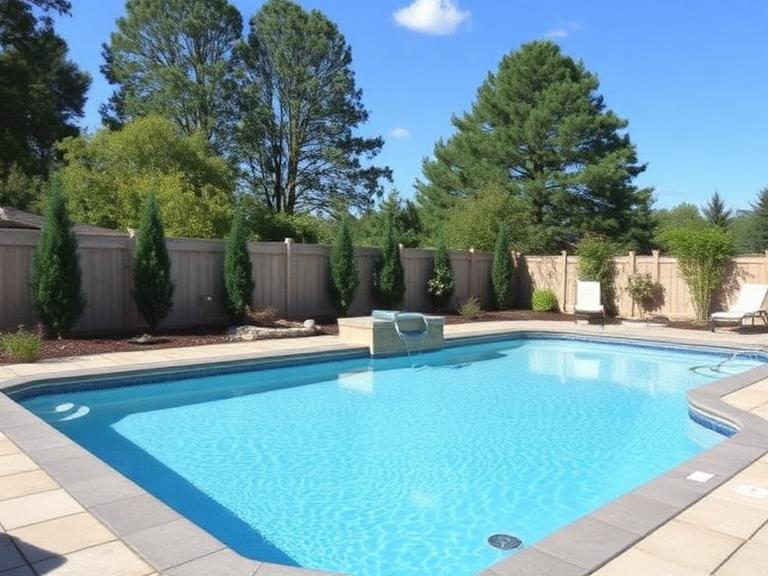
11. Coping and decking
The pool edge (coping) is installed, and the surrounding deck is poured or laid. Scope agreed at the quote stage — some homeowners handle broader landscaping separately.
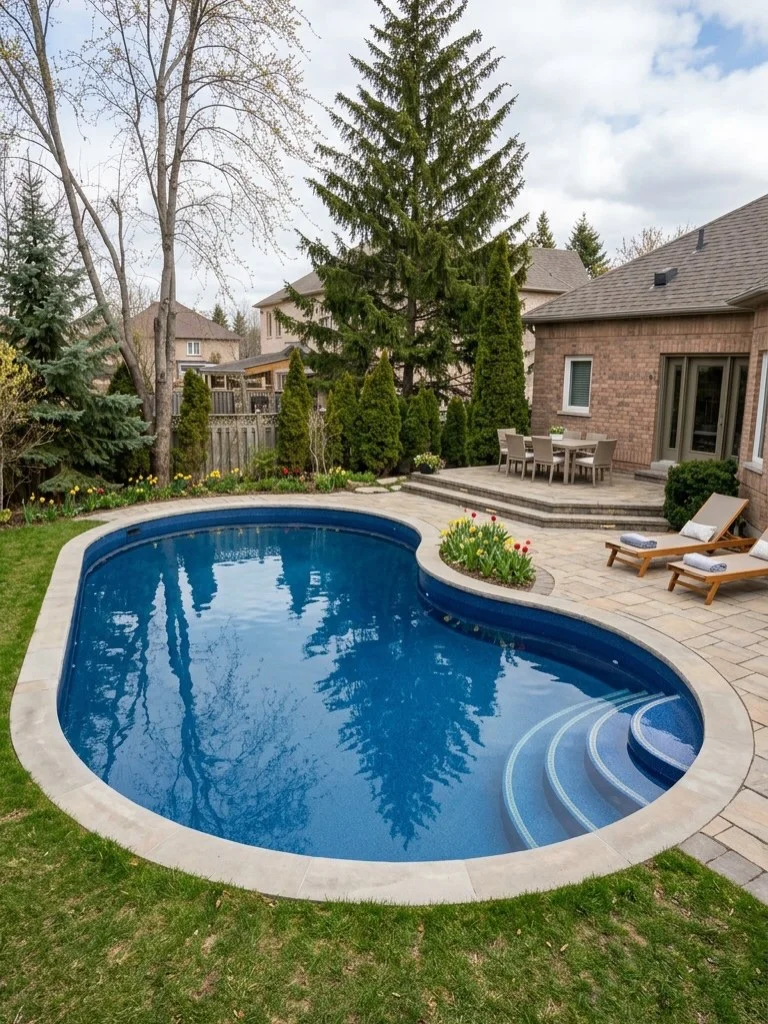
12. Fence installation
A compliant pool enclosure fence is installed per City of Toronto Municipal Code Chapter 447. The pool cannot be filled to swim until the fence is in place and inspected.
13. City inspection and fill
The City inspects the fence installation. Once approved, the pool is filled. Filling a mid-size shell takes 8–20 hours depending on water pressure. Water chemistry is balanced to the correct levels before the pool is handed over.
14. Owner walkthrough
We walk through equipment operation, maintenance schedule, winterisation requirements, and warranty documentation before leaving the project.
Total on-site timeline: 1–3 weeks from excavation start to water. The longest waiting period is the permit process — 4–10 weeks before a shovel goes in the ground.
Pool Permits
Permits for Fibreglass Pools in Toronto
Fibreglass pools require the same permit process as any other inground pool in Toronto.
The City of Toronto does not require a building permit for the pool structure itself, but two applications are required before the pool can be built or filled:
Zoning Certificate — confirms the shell placement meets setback requirements from property lines, the house, and any easements. Required first.
Pool Fence Enclosure Permit — required under Municipal Code Chapter 447. The pool cannot be filled with water until a compliant fence is installed and inspected.
Key fence requirements:
- Minimum 1.2 m enclosure fence on all sides
- Gates must be self-closing, self-latching, and open outward with latch height out of reach of young children
- Pool setback from property lines: typically 1.2 m–1.8 m depending on zoning
Easy Pools handles both permit applications as part of our installation service.
Pool Features
Fibreglass Pool Add-Ons and Features
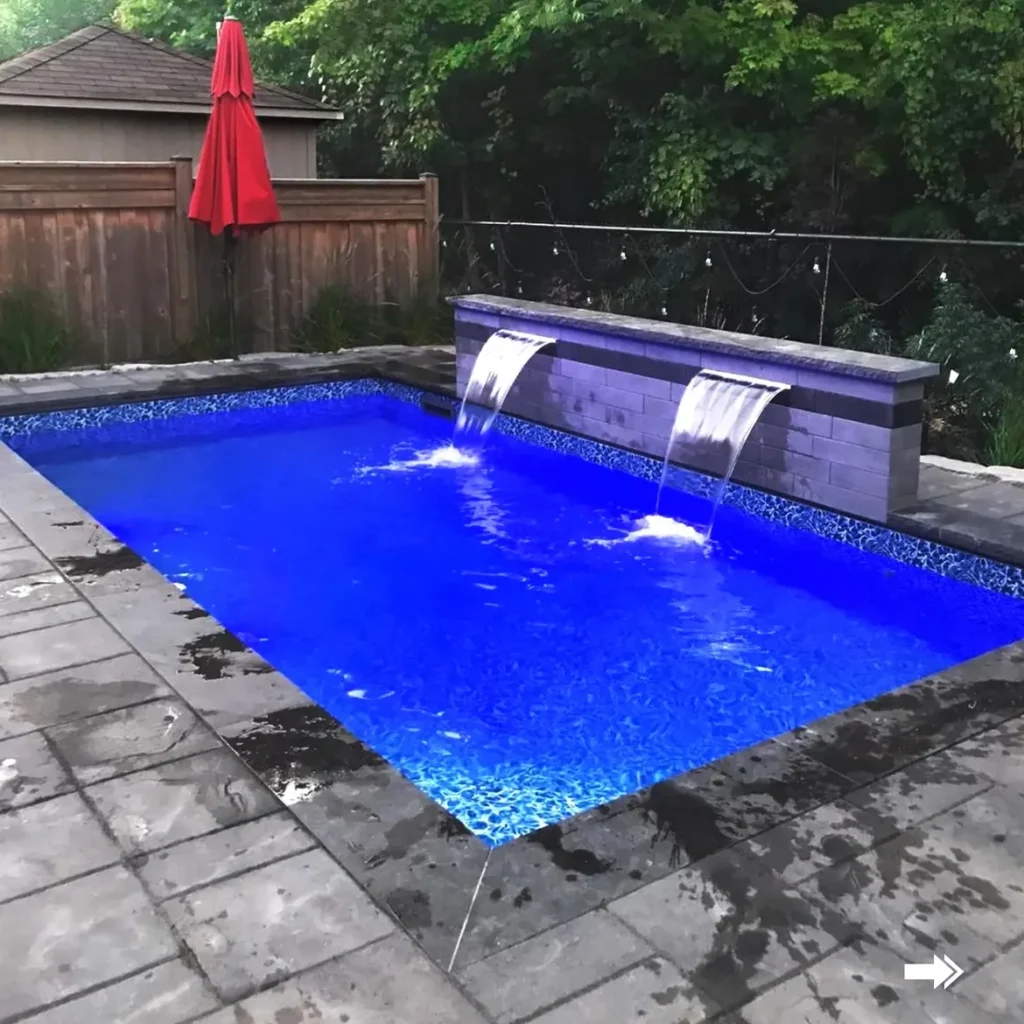
Heating
An unheated Toronto pool is swimmable roughly from late May to early September. Adding heat extends the season and keeps the water at a consistent comfortable temperature.
- Heat pump: Efficient for daily temperature maintenance; slower to heat a cold pool from scratch
- Gas heater: Fast heat-up; higher hourly operating cost
- Combination system: Heat pump for day-to-day use, gas for fast top-up — the most practical setup for Toronto
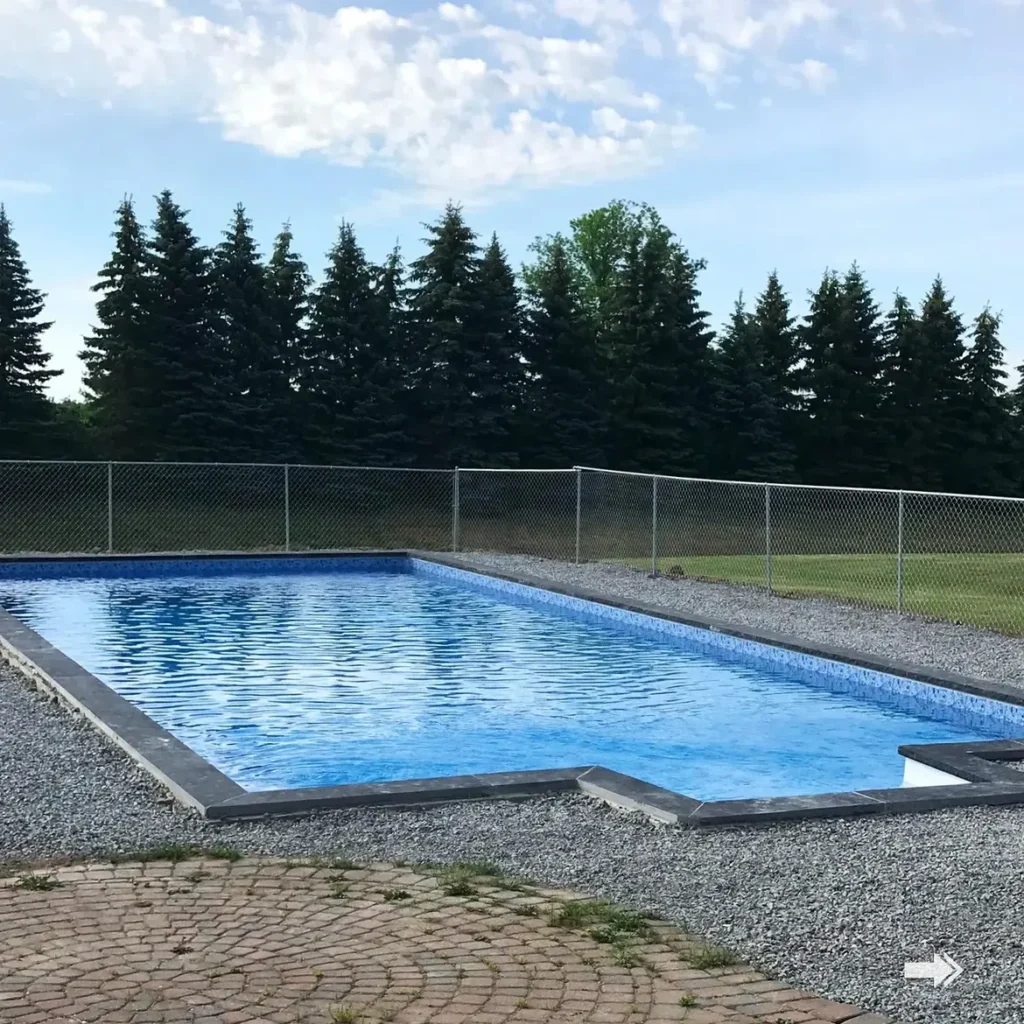
Saltwater System
A saltwater chlorinator generates chlorine from dissolved salt, eliminating the need to handle and store liquid or tablet chlorine. Salt systems cost $1,500–$3,500 to add at installation and are compatible with all fibreglass shells. The lower chemical demand of a fibreglass surface pairs well with a salt system.
LED Lighting
Underwater LED lights are standard on most new builds. A full lighting package — underwater pool lights, perimeter landscape lighting, deck lighting — adds $3,000–$8,000 to the project.
Water Features
Deck jets, bubblers, and spillover features can be added to fibreglass pools. Plumbing for water features is installed during the initial build — adding them after the fact is possible but more expensive. Deck jets and a single bubbler are the most compatible water features with a fibreglass shell, as raised waterfall structures typically require a masonry or concrete surround.
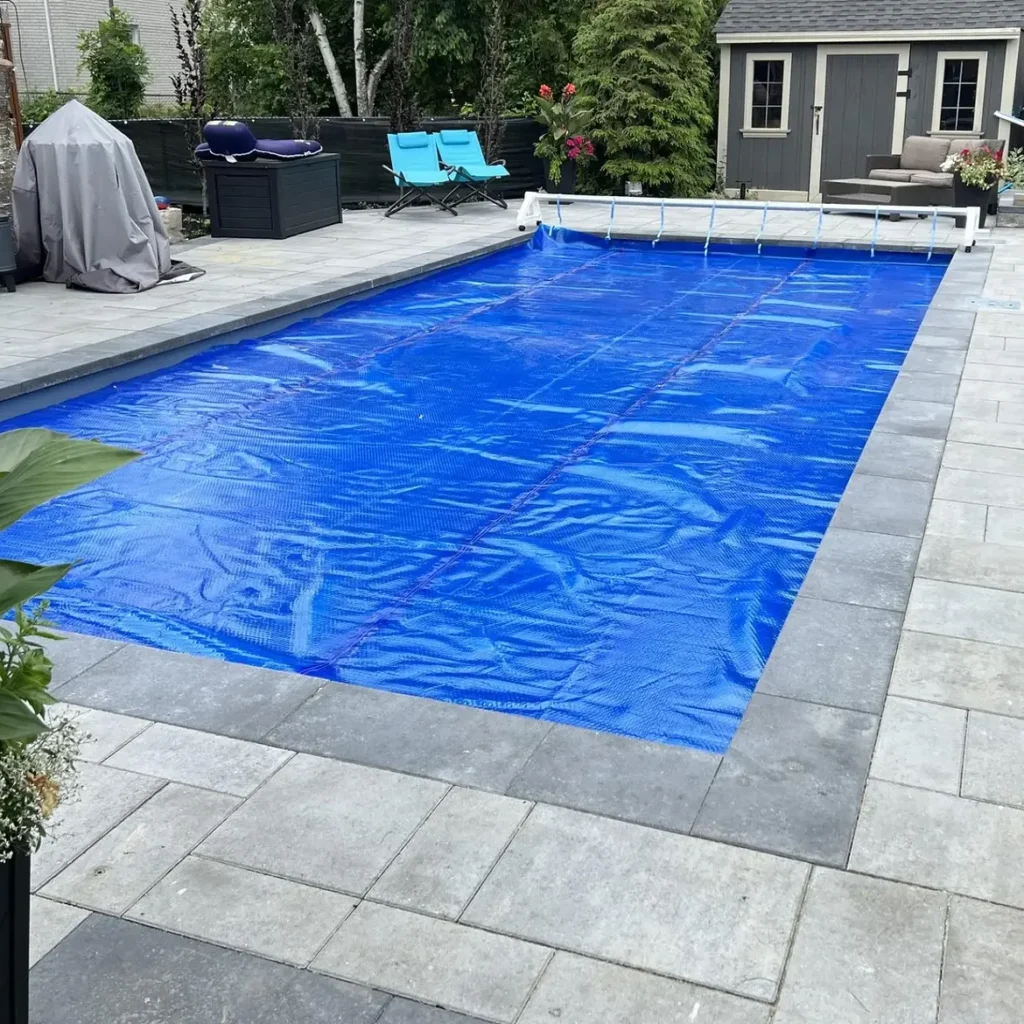
Automation
Pool automation systems let you control pump speed, temperature, lighting, and chemical dosing from a panel or smartphone app. Added at the time of installation, automation typically costs $2,500–$6,000 depending on the system and scope.
Safety Cover
A safety cover sits on the pool over the winter and off-season — protecting it from debris, preventing accidental access, and simplifying spring opening. Solid safety covers and mesh safety covers are both available for fibreglass pools.
Maintenance
Fibreglass Pool Maintenance
Fibreglass pools are genuinely lower maintenance than vinyl or concrete — but not maintenance-free. Weekly tasks include:
- Checking and adjusting pH and sanitiser levels
- Skimming the surface and emptying the skimmer basket
- Backwashing or cleaning the filter as needed
- Wiping the waterline if there’s any build-up
Monthly or seasonal tasks include full water chemistry testing (total alkalinity, calcium hardness, cyanuric acid), equipment inspection, and lubricating O-rings and valve fittings.
Seasonal care in Toronto:
Fibreglass pools need to be winterised before freeze temperatures arrive — typically by mid-October. Winterisation involves balancing water chemistry, lowering the water level, blowing out plumbing lines, adding antifreeze to return lines, and covering the pool. In spring, the pool is opened, refilled if needed, and water chemistry is re-established before swimming begins.
FAQ
Fibreglass Pool Installation FAQs
How much does fibreglass pool installation cost?
Fibreglass pool installation cost depends on shell size, shell model, access, delivery, excavation, plumbing, equipment, permits, decking, coping, and added features.
A small shell with easy access will usually cost less than a large shell that needs crane placement and full backyard finishing. The best way to get an accurate price is to request a site-based quote.
How long does fibreglass pool installation take?
Fibreglass pools are often faster to install than many custom pool types because the shell is pre-made.
The full timeline still depends on permits, shell availability, yard access, weather, excavation, delivery, equipment setup, decking, and finishing work.
Are fibreglass pools good for small backyards?
Yes, fibreglass pools can work well in small backyards when the right shell is chosen.
Compact shells, plunge-style designs, and smart layouts can help make good use of limited space. The design must also leave room for fencing, equipment, drainage, and safe movement.
Do fibreglass pools need permits?
Yes. Fibreglass pool projects in Toronto need permit and enclosure planning.
Zoning, fence rules, gate details, setbacks, and site layout can all affect approval. Current local requirements should be checked before installation starts.
What size fibreglass pool can fit my yard?
The right size depends on your yard, access, setbacks, fence plan, equipment location, and design goals.
A site review can help show which shell sizes may fit. It can also help prevent choosing a shell that is too large for the space or too difficult to deliver.
Do fibreglass pools need less maintenance?
Fibreglass pools often need less routine surface care than some other pool types because the shell surface is smooth.
You still need regular water testing, cleaning, equipment checks, opening, closing, and seasonal care. Good maintenance helps protect the finish and extend the life of the pool.
Service Area
Toronto and GTA Service Areas
Easy Pools installs fibreglass pools across Toronto and the surrounding region:
Request a Fibreglass Pool Quote
We’ll visit the property, assess the site and access, walk through shell options that fit the lot, and give you a clear, itemised quote — shell, excavation, equipment, coping, and any access-specific requirements all specified before anything is signed.
Easy Pools · Vaughan, ON · Serving Toronto and the GTA