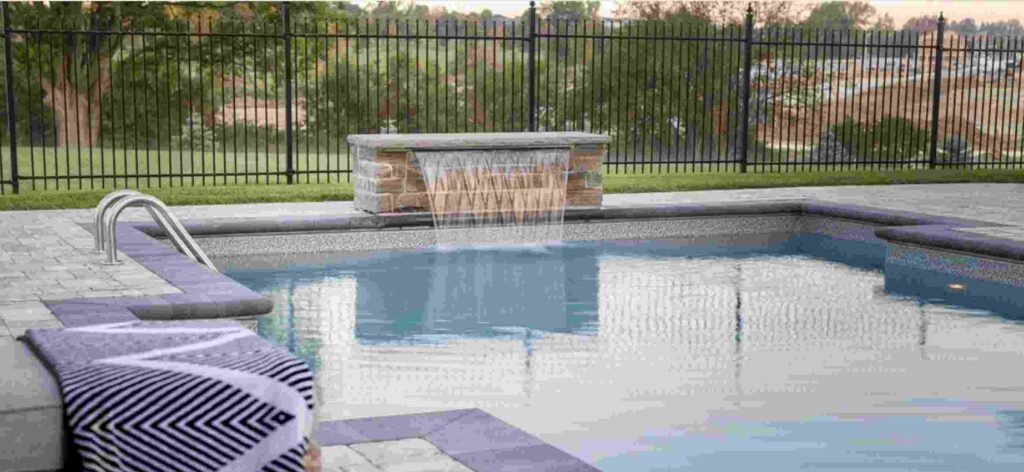
Yard preparation for pool installation starts with site access, utility locates, grading, drainage, tree removal, obstacle clearing, excavation space, spoil removal, equipment placement, and permit-ready measurements. A prepared yard gives the builder safe access, stable ground, clear service routes, and enough working space before digging starts.

Poor yard preparation creates delays before the pool structure arrives. Tight access slows excavation. Weak drainage affects the base, backfill, deck area, and long-term structural stability. Tree roots, sheds, patios, fences, overhead wires, underground utilities, soft ground, rock, and high groundwater change the installation plan and raise project cost.

A strong site plan connects the pool layout to the real yard. The plan needs accurate lot lines, building distances, pool dimensions, equipment location, fence layout, gate access, grading, and drainage direction. These details support permit review and help prevent layout changes after excavation begins.

Pool type also changes yard preparation. Fibreglass pools need delivery access for the shell. Vinyl liner pools need clear wall-panel assembly space and careful base preparation. Concrete pools need more room for steel, forms, concrete placement, curing, and finish work. Above-ground pools need a level, compacted base and safe access around the pool.

Yard preparation works best when the homeowner reviews access, utilities, drainage, removals, equipment space, and surface protection before signing the final quote. A clear quote separates core site preparation from optional landscaping, so the full project cost stays easier to understand before construction starts.

What Does Yard Preparation for Pool Installation Include?

Yard preparation for pool installation includes site access checks, utility locates, drainage planning, grading review, obstacle clearing, excavation planning, spoil removal, surface protection, equipment placement, and permit-ready measurements. This stage confirms whether the yard supports safe digging, pool delivery, structural stability, service routes, decking, fencing, and final inspection. The uploaded outline identifies access, utility coordination, grading, drainage, and site clearing as the main pre-installation priorities.

What Is the Short Answer on Yard Preparation?

The short answer on yard preparation is to make the yard safe, clear, measured, accessible, and ready for excavation before the builder arrives. This means checking pool placement, machine access, underground utilities, soil conditions, drainage, tree roots, existing structures, fence openings, and equipment-pad space.

Utility locates need early booking. Ontario One Call states that homeowners must submit a locate request at least five business days before digging, and utility owners mark buried lines and cables on the property.

Why Does Yard Preparation Matter Before Digging Starts?

Yard preparation matters before digging starts because excavation depends on safe access, marked utilities, stable soil, correct layout, and controlled water flow. A prepared yard helps the crew dig the right area, protect buried services, manage soil removal, and prepare a stable base for the pool structure.

Soil review also matters before excavation. The Canadian Centre for Occupational Health and Safety says excavation planning should identify soil types, locate buried services, identify overhead power lines, and review hazards before work begins.

What Site Problems Raise Cost and Delay the Project?

Site problems raise cost and delay the project when they add labour, equipment, hauling, redesign, or safety work. Common problems include tight access, steep slope, poor drainage, clay soil, rock, high groundwater, tree roots, old patios, buried debris, overhead wires, and unmarked utility lines.

These problems affect the full installation. Tight access slows machine movement. Rock increases excavation time. Wet soil needs drainage or dewatering. Utility conflicts may shift the pool layout. Tree roots may require removal before layout approval.

What Prep Work Should Be Finished Before Construction Starts?

Prep work before construction should include a site review, utility locates, access planning, obstacle removal, drainage review, excavation layout, spoil-removal planning, equipment-area selection, and surface protection. This work gives the builder a clear, safe, and workable yard before digging starts.

The main tasks include:

  • Mark the pool area and confirm setbacks
  • Request utility locates before ground disturbance
  • Clear trees, roots, sheds, fences, patios, and debris where needed
  • Plan soil storage or haul-away before excavation
  • Protect driveways, lawns, garden beds, and nearby structures
  • Choose equipment-pad space for the pump, filter, heater, and controls
  • Confirm drainage and grading before excavation begins

Is Your Yard Suitable for a Pool?

A yard is suitable for a pool when it has enough usable space, safe construction access, workable grading, clear utility routes, stable ground, and room for decking, fencing, equipment, and drainage. Yard suitability affects pool size, pool shape, pool type, excavation cost, permit readiness, and installation speed. The uploaded outline places yard suitability before access, utilities, grading, drainage, and excavation planning because site conditions shape the full build path.

Is There Enough Space for the Pool and Deck?

Enough space for the pool and deck means the yard fits the water area, walking space, seating area, equipment pad, fence line, gate swing, and drainage path. A pool that fills too much of the yard often leaves poor access and weak usable space.

The layout needs dry space around key areas. Steps, ladders, skimmers, pool covers, deck chairs, and service routes need clear movement space. A smaller pool with a usable deck often gives better daily function than a larger pool that crowds the backyard.

Is the Yard Shape Suitable for the Pool Layout?

Yard shape is suitable when the pool layout follows the usable area without forcing awkward access, tight walkways, or unsafe fence positions. Rectangular yards often suit rectangular pools, lap pools, and simple patio lines. Irregular yards often suit compact pools, offset layouts, or curved edges.

The pool shape also needs to match the structure type. Fibreglass pools use pre-made shell shapes. Vinyl liner pools allow more layout flexibility. Concrete pools allow custom shapes, custom depths, and complex edges.

Does the Yard Slope Affect Pool Planning?

Yard slope affects pool planning when the site needs grading, retaining walls, drainage work, raised decking, or extra structural support. A flat yard often gives simpler excavation and easier deck alignment. A sloped yard needs more design control before the pool position is approved.

Slope also affects water movement. Poor slope planning sends rainwater toward the pool, house, deck base, or neighbouring property. Proper grading moves water away from the pool area and protects the base, backfill, patio, and landscaping.

Do Existing Structures Limit Pool Placement?

Existing structures limit pool placement when sheds, patios, fences, retaining walls, trees, septic systems, decks, easements, or utility routes sit inside the planned pool area. These items reduce the usable build zone and may require removal, relocation, or design changes.

Structure conflicts affect both cost and timing. A shed removal is simple. A retaining wall, buried service, mature tree, or existing patio usually needs extra review. The site plan needs these items marked before excavation pricing and permit preparation.

Does the Yard Leave Enough Working Space for Construction?

The yard needs enough working space for machines, workers, soil storage, pool materials, trucks, and safe movement. Construction space is different from finished pool space. The crew needs room to dig, turn equipment, place materials, move spoil, install plumbing, backfill, and protect nearby surfaces.

Working space also changes by pool type. Fibreglass pools need delivery access for the shell. Vinyl liner pools need space for wall panels and floor preparation. Concrete pools need room for steel, forms, concrete placement, and curing work. A yard that lacks working space often needs smaller machines, extra labour, or a revised pool layout.

What Access Does the Yard Need?

The yard needs clear construction access for excavation equipment, trucks, pool materials, soil removal, backfill, plumbing routes, and safe worker movement. Access planning decides how machines enter the property, where soil moves, where materials sit, and whether the chosen pool type fits the site. The uploaded outline treats access, utility coordination, grading, drainage, and site clearing as core yard-prep priorities before excavation starts.

Can Excavation Equipment Reach the Pool Area?

Excavation equipment must reach the pool area through a safe, wide, and stable route. The crew needs enough clearance for machines, operators, turning space, soil movement, and trenching. Narrow side yards, low gates, steep slopes, soft lawns, tight corners, and overhead wires may require smaller equipment or extra labour.

Access also affects the pool layout. A pool that fits on paper may still fail in practice if machines cannot reach the dig area. The access route should be checked before final pool size, shape, and quote approval.

Can Trucks Reach the Yard for Digging and Dirt Removal?

Trucks need access for digging support and dirt removal when excavated soil cannot stay on site. Pool excavation creates a large soil volume, and hauling needs space for trucks, loaders, bins, or temporary spoil piles.

Truck access affects cost and schedule. Long carry distances, narrow driveways, weak surfaces, street restrictions, and limited parking add labour time. The plan should confirm where trucks stop, where soil is loaded, how driveways are protected, and whether municipal road or curb limits affect loading.

Does a Fibreglass Pool Need Extra Delivery Access?

A fibreglass pool needs extra delivery access because the shell arrives as one large pre-made piece. The delivery route needs enough clearance for the truck, lifting equipment, shell movement, and safe placement into the excavation.

Fibreglass access is different from vinyl or concrete access. Vinyl liner pools arrive in panels and liner materials. Concrete pools are built on site with steel, forms, and concrete placement. A fibreglass shell may need crane planning, temporary fence removal, overhead clearance review, and clear space between the street and pool area.

Does Tight Access Change Pool Type or Layout?

Tight access changes pool type or layout when equipment, trucks, or materials cannot reach the planned pool area safely. The builder may reduce the pool size, adjust the shape, move the pool position, use smaller machines, add crane work, or choose a pool type that fits the access route better.

Tight access often affects fibreglass pools first because shell delivery needs more room. Vinyl liner pools and concrete pools may suit tighter sites better, but they still need space for excavation, soil removal, plumbing, backfill, and finishing. Access limits should be priced before the contract is signed.

What Access Problems Delay Pool Installation Most?

Access problems that delay pool installation most include narrow gates, blocked side yards, soft ground, steep slopes, overhead wires, weak driveways, parked vehicles, unremoved fences, tight truck space, and missing utility locates. These problems stop excavation, delivery, soil removal, or safe machine movement.

Utility access safety also matters before machines enter the yard. Ontario One Call states that homeowners must submit a locate request at least five business days before digging, and utility owners mark buried lines and cables before excavation. A clear access plan keeps the crew, equipment, yard surfaces, and buried services better protected.

What Utility Checks Should Happen First?

Utility checks should happen before pool layout approval, excavation, trenching, fence-post digging, and equipment-pad work. Yard preparation needs clear marking for gas, hydro, water, sewer, telecom, irrigation, drainage, private electrical lines, and service routes. The uploaded outline places utility checks before tree removal, grading, drainage, and excavation planning because buried services affect pool placement, safety, cost, and schedule.

Why Do Underground Utility Locates Matter?

Underground utility locates matter because buried lines create safety, service, and cost risks during excavation. A pool dig can damage gas lines, electrical cables, water lines, sewer pipes, drainage lines, and telecom cables when locations are not marked.

Ontario One Call says homeowners must submit a public utility locate request at least five business days before digging. Ontario One Call then notifies buried infrastructure owners, and locators mark underground lines and cables on the property.

What Utility Lines Need to Be Identified?

Utility lines that need identification include public and private services. Public locates usually cover utility-owned buried infrastructure. Private lines also need review because they may not appear through the public locate process.

Important lines include:

  • Gas lines to the house, pool heater, barbecue, or outdoor appliance
  • Electrical lines to sheds, garages, lights, pools, hot tubs, and outdoor outlets
  • Water lines, sewer lines, septic systems, and drainage pipes
  • Telecom lines, cable lines, security-camera feeds, and irrigation lines

Ontario One Call notes that homeowners remain responsible for private infrastructure such as gas lines to a barbecue or pool heater, electrical lines to sheds, sewer and septic systems, and telecom or electrical lines to security cameras.

What Electrical Planning Should Happen Early?

Electrical planning should happen early because pool pumps, heaters, lights, automation, salt systems, covers, and bonding need safe routes and code-compliant installation. Electrical planning should confirm the equipment location, panel capacity, trench route, bonding path, lighting positions, outlet locations, and inspection responsibility.

The Electrical Safety Authority states that conductive parts in and around pool water need electrical bonding so they maintain the same electrical potential. ESA explains that this reduces shock risk when people enter, exit, or use the pool.

What Plumbing Routes Should Be Planned Early?

Plumbing routes should be planned early because skimmer lines, return lines, main drain lines, water-feature lines, heater connections, and equipment-pad pipes need clear paths before backfill and decking. Poor routing creates extra trenching, tight bends, weak flow, and harder repairs later.

Plumbing routes need space between the pool and pump, filter, heater, sanitizer, valves, and drainage points. The design should keep pipes away from marked utilities, tree roots, retaining walls, and future deck footings. Early routing helps protect circulation, leak testing, winterization, and equipment access.

What Happens If Utility Lines Sit in the Planned Pool Area?

Utility lines in the planned pool area usually force a layout change, service relocation, or extra utility work before excavation. The builder may shift the pool, reduce the size, move equipment, adjust trench routes, change the fence line, or delay digging until the conflict is resolved.

Utility conflicts affect cost and timeline because buried services need safe clearance and proper ownership review. York Region says a locate must be requested at most 30 calendar days before excavation and may take up to five business days to complete. The same guidance notes that damaging buried utilities can interrupt essential services and harm the person digging.

What Trees and Obstacles Should Be Removed?

Trees and obstacles should be removed when they block excavation, pool placement, access routes, truck movement, drainage work, equipment space, fencing, or safe overhead clearance. Common removals include small trees, root systems, stumps, sheds, old patios, fence sections, garden beds, play structures, stored materials, and low branches. The uploaded outline places tree and obstacle removal before grading, drainage, and excavation planning because site conflicts affect layout, cost, and installation speed.

Do Trees Need Removal Before Pool Installation?

Trees need removal before pool installation when trunks, branches, roots, or protected zones conflict with the pool layout, excavation area, machine route, fence line, or deck plan. Tree removal should be reviewed before final design because a mature tree may affect pool placement, drainage, shade, debris, and permit timing.

Municipal rules matter. Toronto requires a permit for any activity that may injure or remove a private tree with a trunk diameter of 30 centimetres or more. Mississauga requires a permit to remove one or more private-property trees with a diameter of 15 centimetres or more.

Do Roots Change Excavation and Pool Placement?

Roots change excavation and pool placement when they sit inside the dig area, equipment route, trench path, or future deck base. Large roots may affect soil stability, machine movement, backfill support, and future surface settlement. Roots close to the pool edge also increase the risk of damage to plumbing trenches, coping bases, and patio areas.

Root review helps protect both the pool and nearby trees. A tree kept near the pool may need a protected root zone, pruning review, or a shifted layout. A tree removed too late may leave stump, root, and soil problems on dig day.

Do Fences, Sheds, or Patios Need Removal?

Fences, sheds, or patios need removal when they block equipment access, truck movement, pool layout, fence planning, utility routes, or spoil handling. Temporary fence removal often creates the main access route for excavation equipment. Shed, patio, and deck removals may be needed when the new pool or surrounding deck replaces an older yard feature.

Removal scope needs written confirmation in the quote. The quote should state who removes each item, who disposes of debris, who protects nearby surfaces, and who restores fence openings after construction. Unplanned removals delay excavation and raise labour costs.

Do Overhead Wires Affect Equipment Access?

Overhead wires affect equipment access when machines, dump trucks, cranes, pool shells, ladders, or long tools need to pass near power lines. Overhead clearance must be checked before excavation and shell delivery. This matters most for fibreglass pools, because the shell may need crane or boom placement.

The Electrical Safety Authority states that people should stay 3 metres away from overhead power lines. The Infrastructure Health and Safety Association lists minimum distances of 1 metre for lines under 750 volts, 3 metres for 750 to 150,000 volts, and 4.5 metres for more than 150,000 volts up to 250,000 volts.

What Existing Yard Features Usually Create Site Conflicts?

Existing yard features create site conflicts when they reduce working space, block access, affect drainage, or sit inside the planned build area. Common conflicts include trees, stumps, roots, fences, sheds, patios, retaining walls, decks, gazebos, hot tubs, irrigation lines, low branches, overhead wires, septic systems, and buried drainage pipes.

These features should be marked during site review. Ontario One Call states that homeowners planning to dig for a pool, fence, tree, garden, or other project must submit a locate request before digging. Public utility locates do not replace private-line checks, so irrigation, lighting, security-camera wires, private gas lines, and private drains need separate review.

What Grading and Drainage Work Should Be Done?

Grading and drainage work should move water away from the pool, house, deck base, equipment area, and neighbouring lots. This work includes lot grading, surface drainage, swales, retaining support, base preparation, and correction of low spots before excavation starts. The uploaded outline places grading and drainage before excavation planning because water movement affects structural stability, installation speed, and total project cost.

Why Does Yard Drainage Matter Before Pool Installation?

Yard drainage matters before pool installation because surface water affects excavation, base support, backfill, decking, landscaping, and long-term pool performance. Poor drainage sends water toward the pool shell, wall panels, concrete structure, patio base, or house foundation.

Municipal site plans often require drainage details. Mississauga requires a swimming pool site plan with lot grading, current grades, elevations, drainage, and proposed changes. This review helps prevent water from ponding around the pool area or moving onto neighbouring property.

Why Must the Pool Area Stay Level?

The pool area must stay level because the pool structure needs even support, clean waterlines, accurate coping height, and stable decking. An uneven base causes shell movement, liner stress, wall alignment problems, poor drainage, and visible waterline differences.

Level preparation changes by pool type. Fibreglass pools need a flat, compacted base under the shell. Vinyl liner pools need accurate wall lines and floor shaping. Concrete pools need controlled forms, steel placement, and concrete support. The finished deck still needs a planned slope so water drains away from the pool and house.

Does a Sloped Yard Need Retaining or Grade Correction?

A sloped yard often needs retaining, grade correction, or drainage control when the pool sits above or below surrounding ground. Retaining walls hold back soil. Grade correction creates safer transitions between the pool, deck, fence, house, and lawn.

Slope work should be planned before permit drawings and pricing. A pool built into a slope may need engineered walls, extra gravel, swales, drainage pipe, steps, raised decking, or soil export. Richmond Hill requires swimming pool site alteration applications to include a grading plan prepared by a Professional Engineer or Ontario Land Surveyor.

Does Poor Drainage Raise Structural Risk?

Poor drainage raises structural risk because water increases soil movement, weakens excavation walls, creates pressure around the pool, and damages patio bases. Wet soil also slows digging and makes backfill harder to compact.

Excavation safety guidance treats water as a major hazard. The Canadian Centre for Occupational Health and Safety lists flooding or water accumulation as an excavation hazard, along with cave-ins, falling soil, and contact with buried services. Drainage review protects both construction safety and long-term pool stability.

What Drainage Problems Should Be Fixed Before Excavation?

Drainage problems that should be fixed before excavation include low spots, standing water, failed swales, downspout discharge near the pool, soft soil, runoff from neighbouring grades, water moving toward the house, and water collecting around the planned deck.

The site plan should show existing grades, proposed grades, and drainage direction before digging starts. Mississauga’s sample pool grading notes state that existing drainage patterns must be maintained and existing grades at lot lines must be matched. Fixing drainage before excavation helps protect the pool base, backfill, equipment pad, deck, fence posts, and landscaping.

What Excavation Planning Should Be Done?

Excavation planning needs a marked pool layout, confirmed utility locates, safe machine access, spoil-removal space, soil review, groundwater review, and protected work zones before digging starts. This stage connects pool placement, pool depth, base preparation, drainage, backfill, equipment routes, and construction safety. The uploaded outline places excavation planning after access, utilities, obstacles, grading, and drainage because digging depends on each of those site-prep steps.

How Is the Pool Area Marked Before Digging?

The pool area is marked by transferring the approved site plan onto the yard. The crew marks the pool length, width, shape, corners, shallow end, deep end, entry points, excavation line, coping line, and equipment route.

Utility marks need to stay visible during this stage. Ontario One Call states that homeowners need to submit a locate request at least five business days before digging, and utility owners mark buried lines and cables on the property.

How Much Excavation Space Should Be Left Around the Pool?

Excavation space needs to include the pool hole plus working room for wall setup, shell placement, plumbing, base material, backfill, and worker movement. The exact extra space depends on pool type, soil condition, slope, machine size, and access route.

Fibreglass pools need space for shell placement and staged backfill. Vinyl liner pools need space for wall panels, braces, and floor shaping. Concrete pools need space for forms, steel reinforcement, plumbing embeds, and concrete placement.

What Soil, Rock, or Groundwater Problems Matter Most?

Soil, rock, and groundwater problems matter most when they affect excavation safety, digging speed, base stability, drainage, and final pool support. Common problems include clay soil, loose fill, buried debris, bedrock, wet soil, high groundwater, and unstable trench edges.

The Canadian Centre for Occupational Health and Safety states that excavation hazards include cave-ins, falling soil, falling materials, flooding or water accumulation, and buried service contact. It also states that soil types may vary within one excavation and need identification before work starts.

What Heavy Equipment Space Should Be Protected?

Heavy equipment space needs protection along the access route, driveway, lawn, garden beds, fence openings, and material staging areas. Excavators, loaders, trucks, cranes, compactors, and concrete equipment need stable ground and clear movement space.

Protected work zones reduce damage to driveways, curbs, lawns, neighbouring structures, irrigation lines, utility marks, and nearby landscaping. Equipment routes also need overhead review. Low branches, wires, narrow gates, soft soil, and steep grades create access delays and safety risks.

What Digging Problems Change the Project Scope Fastest?

Digging problems change the project scope fastest when they add labour, equipment, redesign, hauling, or safety controls. Major scope changers include unmarked utilities, rock, high groundwater, unstable soil, poor access, buried concrete, tree roots, drainage failure, and limited spoil space.

Excavation hazards also change site work fast. Ontario identifies risks linked to excavation work, including trench collapse, unsafe access, and excavation depth concerns. Ontario guidance warns against entering a trench deeper than 1.2 metres unless the walls are sound, sloped, shored, or supported.

Where Will the Dirt Go?

Excavated dirt needs a storage, reuse, or haul-away plan before digging starts. Pool excavation creates a large spoil volume, and loose soil takes more space than soil in the ground. Yard-prep planning needs to confirm spoil pile location, truck access, driveway protection, soil disposal, reuse areas, and any extra hauling cost before excavation begins. The uploaded outline treats spoil removal as a core site-prep item because dirt handling affects access, cost, timing, and surface damage.

How Much Soil Usually Comes Out of a Pool Excavation?

Pool excavation soil volume depends on the pool length, width, depth, wall slope, steps, benches, over-dig area, and soil type. A simple 12 ft by 24 ft pool with a 5 ft average excavation depth creates about 1,440 cubic feet, or about 53 cubic yards, of in-ground soil before loose-soil expansion.

Loose spoil usually takes more room after excavation. A landscape and construction excavation guide defines bulking factor as the ratio between volume after excavation and volume before excavation. The same guide lists typical bulking factors such as 1.05 for sand, 1.15 for sand and gravel, 1.30 for low-plasticity clay, and 1.50 for shale.

Can the Yard Hold the Spoil Pile Temporarily?

The yard holds the spoil pile temporarily only when it has enough open, stable, and protected space outside the excavation zone. The spoil pile needs clear separation from the pool hole, access route, fence line, utility marks, garden beds, patio edges, and neighbouring property.

Temporary storage also needs surface protection. Heavy piles damage lawns, compact soil, block drainage, and restrict machine movement. Tight yards often need direct loading into trucks instead of on-site stockpiling. A spoil plan should name the pile location before the excavator arrives.

When Does Haul-Away Need Planning in Advance?

Haul-away needs planning in advance when the yard lacks storage space, access is tight, soil volume is high, or the excavation contains clay, rock, wet soil, buried debris, or unsuitable fill. Truck timing matters because excavation slows when the crew has no place to put dirt.

Haul-away planning should confirm truck size, loading area, route, driveway protection, disposal site, tipping fees, and how many loads the quote includes. Excavated soil expands after digging, so truck volume needs to reflect loose spoil, not only in-ground pool volume. Bulking-factor guidance shows that excavated material volume changes by soil type, which affects truck loads and disposal planning.

Can Excavated Soil Be Reused Elsewhere in the Yard?

Excavated soil may be reused elsewhere in the yard when it is clean, stable, dry enough, and suitable for grading or landscaping. Reuse may support low areas, berms, garden shaping, or rough grading.

Reuse needs careful screening. Clay, wet soil, rock-heavy material, roots, debris, and poor fill may not suit deck bases, backfill, or finished lawn areas. Soil placed near the pool, house, fence posts, or neighbouring lots also needs drainage review. Reused soil should not block swales, bury utility marks, or create water flow toward the pool or foundation.

What Spoil-Removal Problems Delay the Project Most?

Spoil-removal problems delay the project most when there is no storage space, no truck access, no disposal plan, or more soil than expected. Common delays include blocked driveways, weak access routes, wet soil, heavy clay, rock, contaminated debris, limited street loading, and missed haul-away allowances.

Spoil problems affect the full construction sequence. Dirt piles can block plumbing trenches, backfill routes, equipment pads, fence work, and decking areas. A clear quote should state whether soil hauling, dump fees, extra truck loads, rock removal, debris disposal, and site cleanup are included or excluded.

What Surface Protection Should Be Planned?

Surface protection should be planned before pool construction because excavation equipment, trucks, soil piles, pallets, and delivery vehicles place heavy loads on finished yard areas. Protection planning covers driveways, lawns, garden beds, patios, walkways, fences, neighbouring structures, and clear machine routes. The uploaded outline places surface protection after spoil planning because equipment movement, dirt handling, and site access directly affect property damage risk.

Should Driveways Be Protected Before Construction Starts?

Driveways should be protected before construction starts when machines, trucks, bins, pallets, or concrete deliveries use the driveway as an access route. Heavy loads may crack asphalt, chip concrete, stain pavers, or damage edges near curbs and garage aprons.

A protection plan may include plywood sheets, ground protection mats, temporary ramps, marked loading zones, and clear weight limits. The builder should confirm which vehicles use the driveway, where trucks stop, where materials sit, and who handles damage repair if protection fails.

Should Lawns and Garden Beds Be Protected?

Lawns and garden beds should be protected when excavation routes, spoil piles, material storage, or worker paths cross soft landscaped areas. Heavy equipment compacts soil, tears turf, crushes planting beds, and damages irrigation lines.

Protection starts with clear work zones. The plan should mark machine routes, spoil areas, material areas, and off-limit planting zones. Garden beds near the pool route may need temporary fencing, mulch removal, plant relocation, or irrigation shutoff before digging starts.

Should Neighbouring Structures Be Protected From Equipment Movement?

Neighbouring structures should be protected when pool equipment moves close to fences, garages, sheds, retaining walls, patios, decks, or nearby houses. Tight yards increase the risk of scrapes, cracked surfaces, broken fence panels, and impact damage during excavation.

Protection needs clear boundary marking. The builder should confirm turning space, machine height, fence openings, nearby walls, overhead wires, and safe clearance beside neighbouring property. Photos before construction help document existing conditions and reduce disputes after the work ends.

What Damage Risks Matter Most During Site Prep?

The main damage risks during site prep include cracked driveways, rutted lawns, compacted soil, broken irrigation lines, damaged fences, chipped patios, crushed garden beds, and blocked drainage. Heavy equipment also moves soil, gravel, stone, and concrete through areas not built for construction loads.

Damage risk rises when access is narrow, soil is wet, ground is soft, or work zones are unclear. Surface protection should be listed in the quote, including driveway mats, lawn protection, fence removal, debris cleanup, and repair responsibility.

What Areas Should Stay Clear for Machinery Movement?

Machinery movement areas should stay clear along the access route, excavation edge, spoil pile area, truck loading area, material storage zone, and equipment-pad route. Clear zones allow machines to move safely and keep workers away from tight turning points.

Important clear areas include side-yard access, driveway loading zones, gate openings, pool layout lines, utility marks, plumbing trenches, backfill routes, and future decking areas. Stored furniture, toys, planters, bins, loose materials, and garden tools should be removed before construction starts.

What Pool Equipment Areas Should Be Planned Early?

Pool equipment areas need early planning because the pump, filter, heater, electrical connections, automation panel, and service routes affect yard access, trenching, grading, noise control, and future maintenance. Equipment placement needs enough clearance for airflow, drainage, repairs, winterization, and safe electrical work. The uploaded outline places equipment-area planning before permit details because equipment location affects yard prep, utility routes, drawings, and rework risk.

Where Should the Pump and Filter Go?

The pump and filter should go on a stable, level equipment pad close enough to support efficient plumbing, yet far enough from seating areas to reduce noise. The location needs a clear route for suction lines, return lines, valves, filter access, drainage, and winter service.

A good equipment pad keeps the pool pump, filter, valves, chlorinator, and service points easy to reach. The area also needs protection from standing water, soil movement, and tight landscaping. Poor placement creates longer pipe runs, harder maintenance, and extra trenching during installation.

Where Should Heater and Electrical Connections Go?

The heater and electrical connections should go where airflow, service access, utility routes, and safety rules are clear. A gas heater needs space for gas piping, venting, and service. A heat pump needs open airflow and a stable pad. Electrical connections need planned routes for power, bonding, lighting, automation, and equipment controls.

Electrical planning matters near water. The Electrical Safety Authority states that conductive parts in and around pool water need bonding to maintain the same electrical potential and reduce shock risk.

How Much Clearance Does Equipment Need?

Pool equipment needs enough clearance for access, airflow, drainage, repairs, and winter closing. The exact clearance depends on the pump, filter, heater, automation panel, and manufacturer instructions. A cartridge filter needs room for element removal. A heater or heat pump needs airflow and service space. A control panel needs safe access for a licensed electrician.

Clearance planning also protects daily use. Equipment placed too close to a fence, deck, planting bed, or wall becomes harder to service. Equipment placed in a low spot collects water and debris. A clear pad layout keeps maintenance safer and faster.

Why Does Equipment Location Affect Yard Prep?

Equipment location affects yard prep because it decides where trenches, utility routes, pads, drainage, and service paths go. The equipment area connects the pool to plumbing, power, heating, filtration, and water treatment. A late equipment change often changes the dig plan, pipe routes, electrical trenching, and deck layout.

Equipment placement also affects noise and outdoor comfort. A pump or heater near a patio, bedroom window, or neighbour’s property may create unwanted sound. A planned location helps balance service access, noise control, drainage, and visual screening before construction starts.

What Equipment Planning Mistakes Cause Rework Later?

Equipment planning mistakes cause rework when the pad location, pipe routes, electrical path, or service clearance is chosen too late. Common mistakes include placing equipment too far from the pool, setting it in a low drainage area, blocking filter access, ignoring heater airflow, and leaving no clear route for electrical bonding.

Other mistakes include hiding valves behind landscaping, placing equipment where snow piles collect, forgetting future automation space, and planning the deck before service trenches are confirmed. ESA notes that Ontario pool and hot tub bonding requirements were updated under the 2024 Ontario Electrical Safety Code, with the new code taking effect on May 1, 2025.

What Permit and Site Plan Details Should Be Ready?

Permit and site plan details should be ready before pool design approval, excavation booking, utility trenching, fence planning, and equipment placement. A complete site plan shows pool location, lot lines, building distances, setbacks, fence layout, gate details, equipment area, grading, drainage direction, and utility routes. The uploaded outline places permit and site plan details after equipment planning because measurements, access, drainage, and safety rules must match the same yard layout before construction starts.

What Measurements Should Be Taken Before Design Starts?

Measurements before design should include the yard width, yard depth, pool area, access route, gate openings, slope, existing structures, tree locations, utility marks, and equipment-pad space. These measurements show what pool size and shape fit the property.

The plan also needs practical construction measurements. Machine access, truck loading space, spoil pile area, material staging space, deck clearance, and fence locations need review before the builder prepares the final quote.

What Lot Line and Building Distances Should Be Checked?

Lot line and building distances should be checked for the pool, deck, fence, gate, equipment pad, retaining walls, sheds, and nearby structures. These distances affect zoning review, permit approval, drainage, privacy, and access.

A rough sketch is not enough for approval. Toronto requires a Zoning Certificate before a Pool Fence Enclosure Permit for applications submitted after March 31, 2021. The city also states that a pool cannot be constructed and filled with water without a compliant fence under Municipal Code Chapter 447 – Fences.

What Fence and Safety Rules Should Be Reviewed Early?

Fence and safety rules should be reviewed before excavation because the pool cannot be planned as only a water feature. The layout needs enough room for a compliant pool enclosure, self-closing gate, self-latching gate, safe walkway, equipment access, and inspection corrections.

Fence timing affects the full project schedule. Fence design should match the site plan, gate placement, pool edge, deck layout, and access route. A late fence change may move the pool, shrink the deck, change gate access, or delay filling and handover.

What Drainage and Grading Details Should Appear on the Site Plan?

Drainage and grading details on the site plan should show existing grades, proposed grades, drainage direction, swales, retaining areas, low points, downspout discharge, and water movement away from the pool and house. These details help protect the pool base, backfill, patio, fence posts, and neighbouring properties.

Municipal review often needs grading information. Mississauga requires swimming pool submissions to include a legal survey and a site plan showing grading, drainage, elevations, and proposed changes.

Why Does Early Permit Planning Reduce Delay Risk?

Early permit planning reduces delay risk because missing drawings, unclear setbacks, late fence details, unmarked utilities, and incomplete grading notes stop the project before excavation. Permit planning also clarifies who handles drawings, fees, submissions, inspections, and corrections.

Utility timing needs early planning too. Ontario One Call says homeowners must submit a locate request at least five business days before digging, and utility owners then mark buried lines and cables on the property. Clear permit and site plan details keep the pool layout, yard preparation, and construction schedule aligned.

What Changes Yard Preparation by Pool Type?

Yard preparation changes by pool type because each pool structure needs different access, excavation space, base support, backfill, equipment routes, and finishing work. Fibreglass pools, vinyl pools, concrete pools, and above-ground pools all need clear utility checks, drainage planning, and safe working space, but their site-prep priorities differ. The uploaded outline places this section after permit and site plan details because pool type affects access, grading, excavation, delivery, and base preparation.

Does a Fibreglass Pool Need Different Yard Prep?

A fibreglass pool needs different yard prep because the shell arrives as one large pre-made structure. The yard needs clear delivery access, safe lifting space, a prepared excavation, a stable base, and enough room for staged backfill.

Access planning matters most for fibreglass pool installation. Narrow gates, overhead wires, tight side yards, steep grades, and limited street access affect shell delivery and placement. The base also needs accurate levelling because the shell depends on even support under the floor and around the walls.

Does a Vinyl Pool Need Different Yard Prep?

A vinyl pool needs yard prep for wall panels, bracing, floor shaping, liner fitting, and plumbing routes. The excavation must match the planned layout because the wall panels and liner follow the marked shape.

Vinyl pool prep needs clean working space around the pool edge. The crew needs room for panels, braces, fittings, liner track, backfill, and deck preparation. Soil movement and uneven base work affect wall alignment, liner fit, and finished appearance.

Does a Concrete Pool Need Different Yard Prep?

A concrete pool needs more yard prep for site-built structural work. The yard needs space for excavation, steel reinforcement, plumbing embeds, forming, concrete placement, curing, surface finishing, and material staging.

Concrete pool prep depends on stable access and controlled drainage. Wet soil, tight access, slope, rock, and poor staging space slow steel work, shotcrete or gunite placement, and finishing. Custom shapes, deep ends, attached spas, retaining walls, and raised edges also increase site-prep needs.

Does an Above-Ground Pool Need Different Base Preparation?

An above-ground pool needs different base preparation because it sits on a level, compacted surface instead of a full inground excavation. The base must be flat, firm, well-drained, and free from roots, rocks, soft soil, and sharp debris.

Base accuracy matters because uneven ground affects the pool wall, liner, frame, and waterline. Above-ground pool prep also needs access for filtration equipment, electrical connections, ladders, decking, fencing, and drainage around the pool edge.

Which Pool Type Fits a Difficult Yard Best?

The best pool type for a difficult yard depends on the access problem, slope, soil, drainage, budget, and design goal. Above-ground pools suit yards where full excavation is hard or too costly. Vinyl pools suit some tighter spaces because panels arrive in smaller parts. Concrete pools suit complex shapes, slopes, and custom support needs. Fibreglass pools suit faster installation when shell delivery access is clear.

A difficult yard needs a site review before pool type approval. Tight access, steep slope, rock, groundwater, drainage issues, and overhead wires need early review because these conditions change cost, layout, equipment choice, and installation method.

What Problems Should Be Fixed Before Installation Starts?

Site problems need repair before pool installation starts when they affect excavation safety, access, drainage, grading, pool placement, or structural support. The main issues include poor drainage, tight access, tree roots, soft ground, rock, high groundwater, buried utilities, and unremoved obstacles. The uploaded outline places this section before homeowner FAQs because unresolved site problems raise cost, delay excavation, and change the pool installation scope.

Does Poor Drainage Need Repair Before Digging?

Poor drainage needs repair before digging because water affects excavation, soil stability, base preparation, backfill, decking, and long-term pool structure. Standing water, soggy soil, low spots, blocked swales, and downspouts draining toward the pool area create risk before the pool shell or structure is installed.

Drainage repair may include grading correction, swale repair, gravel base work, drain lines, downspout redirection, or retaining support. A dry and controlled pool area helps protect excavation walls, plumbing trenches, equipment pads, patios, and fence posts.

Does Tight Access Need a Different Construction Plan?

Tight access needs a different construction plan when machines, trucks, pool shells, concrete equipment, or material deliveries cannot reach the pool area safely. Narrow gates, soft lawns, steep side yards, low branches, overhead wires, and limited truck space change equipment choice and labour time.

A revised plan may use smaller machines, temporary fence removal, crane placement, staged soil hauling, or a different pool layout. Fibreglass pools need special access review because the shell arrives as one large structure. Vinyl pools and concrete pools may fit tighter sites, but excavation and soil removal still need a clear route.

Do Trees and Roots Need Removal Before Layout Approval?

Trees and roots need removal or review before layout approval when they sit inside the pool area, excavation route, deck base, fence line, or plumbing path. Large roots affect digging, base stability, drainage, and future patio settlement.

Tree review also protects nearby trees that remain. A shifted pool layout may protect a mature tree, reduce root damage, and limit debris problems. Stumps, major roots, and low branches need removal before excavation day when they block machines, trucks, or pool placement.

Do Soft Ground or Rock Conditions Need Early Review?

Soft ground and rock conditions need early review because they change excavation method, base support, drainage work, hauling, and final cost. Soft soil may need extra base material, compaction, drainage, or stabilization. Rock may need breaking, longer machine time, extra hauling, and revised pricing.

Ground review matters for every pool type. Fibreglass pools need even shell support. Vinyl pools need stable wall and floor preparation. Concrete pools need reliable excavation shape, steel support, and controlled concrete placement. Early review reduces surprise change orders.

What Site Problems Should Never Be Left Until Dig Day?

Major site problems should never be left until dig day when they affect safety, layout, access, drainage, utilities, or cost. These issues need review before the builder schedules excavation.

Key problems include unmarked utilities, blocked access, standing water, soft soil, rock, tree roots, unremoved sheds, overhead wires, poor spoil space, unclear fence lines, and missing permit details. Late discovery delays machines, workers, deliveries, inspections, and installation. Early site correction keeps the project safer, clearer, and easier to price.

FAQs About Preparing a Yard for Pool Installation

How Do You Prepare Your Yard for Pool Installation?

Yard preparation for pool installation includes checking access, marking utilities, clearing obstacles, reviewing grading, planning drainage, choosing equipment space, protecting surfaces, and planning soil removal before excavation starts.

What Should Be Removed Before Pool Excavation?

Remove items that block digging, delivery, or safe movement. Common removals include fence sections, sheds, old patios, tree roots, stumps, garden beds, play structures, stored items, and low branches.

Does a Sloped Yard Need Extra Work?

A sloped yard often needs extra grading, drainage control, retaining support, steps, or raised decking. Slope affects pool placement, excavation depth, backfill, patio height, and water movement.

Why Does Drainage Matter Before a Pool Build?

Drainage matters because water affects excavation safety, base stability, backfill, decking, landscaping, and long-term pool performance. Poor drainage creates wet soil, settlement risk, and water pressure near the pool structure.

How Much Access Does Pool Equipment Need?

Pool equipment needs clear access for installation, servicing, airflow, drainage, and winterization. The pump, filter, heater, valves, controls, and electrical connections need a stable equipment pad and open service space.

Where Does the Excavated Soil Go?

Excavated soil goes into a temporary spoil pile, haul-away trucks, bins, or approved reuse areas in the yard. Soil removal needs planning before digging because loose soil takes more space after excavation.

What Utilities Should Be Marked Before Digging?

Mark gas, hydro, water, sewer, telecom, drainage, irrigation, private electrical lines, outdoor lighting cables, and service routes before digging. Utility conflicts affect pool placement and excavation safety.

What Site Problems Delay Pool Installation Most?

The most common delays include tight access, poor drainage, unmarked utilities, tree roots, soft soil, rock, high groundwater, overhead wires, blocked truck routes, and missing permit details.

How Do You Start Yard Preparation Properly?

Yard preparation starts properly with a site review, access check, utility locate plan, drainage review, obstacle list, equipment-area plan, and quote-scope check. This order keeps the project practical before excavation, pool delivery, soil removal, grading, fencing, and landscaping begin. The uploaded outline places this section last because it turns the full yard-prep process into clear homeowner action.

How Do You Book a Site Review First?

Book a site review first by asking the pool builder to inspect the yard before final design or pricing. The review needs to check pool location, yard slope, access width, gate openings, soil conditions, tree roots, drainage, utility routes, equipment space, and existing structures.

A proper site review gives the builder enough detail to price excavation, delivery, spoil removal, surface protection, and site preparation. It also helps prevent layout changes after construction starts.

How Do You Check Access, Utilities, and Drainage Early?

Check access, utilities, and drainage early by confirming how machines enter the yard, where buried lines sit, and how water moves across the property. These three items shape the pool layout before excavation.

Key early checks include:

  • Access route for excavators, trucks, materials, and pool delivery
  • Utility locates for gas, hydro, water, sewer, telecom, and private lines
  • Drainage direction away from the pool, house, deck, and neighbouring lots
  • Working space for soil piles, backfill, equipment pads, and fencing

Early checks reduce site surprises and help the quote reflect the real yard.

How Do You Separate Core Site Prep From Optional Landscaping?

Separate core site prep from optional landscaping by identifying what the pool needs before installation starts. Core site prep includes access clearing, utility marking, obstacle removal, excavation planning, drainage review, grading needs, spoil removal, and equipment-area setup.

Optional landscaping includes new planting, privacy screens, decorative stone, lighting, garden beds, extra walkways, and full yard redesign. This split keeps the pool quote clear. It also helps homeowners decide what needs completion before excavation and what belongs after the pool structure, deck, fence, and equipment are installed.

How Do You Compare Pool Quotes by Site-Preparation Scope?

Compare pool quotes by site-preparation scope by checking whether each proposal includes the same yard-prep items. A lower quote may exclude soil hauling, access changes, tree removal, drainage work, driveway protection, grading, or equipment-pad preparation.

A fair comparison checks these items:

  • Site review and measurements
  • Utility locate responsibility
  • Access route preparation
  • Tree, root, fence, shed, or patio removal
  • Excavation and spoil removal
  • Drainage and grading work
  • Surface protection
  • Equipment-area preparation
  • Cleanup and yard restoration

A strong quote explains what is included, what is excluded, who handles each task, and what site conditions change the price.

Scroll to Top

    Your Name *

    Email Address *

    Preferred method of communication*

    Enter you phone number *

    Your address*

    Your demands and expectations