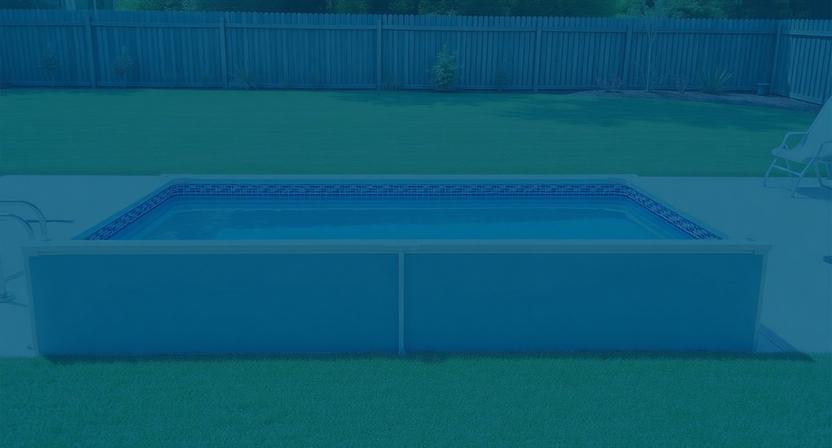
The cheapest pool to install is usually an above-ground pool because it needs less excavation, less structural work, and faster setup than an inground pool. Vinyl liner pools are usually the cheapest inground pool option, but liner replacement adds future cost. The cheapest pool depends on pool size, site access, yard slope, decking, equipment, fencing, permits, and long-term maintenance.
Pool installation cost increases when a project needs grading, rock removal, drainage, retaining walls, electrical upgrades, heaters, covers, landscaping, or permit revisions. A low pool price only shows part of the budget. The real cost includes the pool, installation, safety enclosure, water care, seasonal closing, and future repairs.
Quick Answer
What is the cheapest pool to install?
The cheapest pool to install is usually an above-ground pool. Canadian pool cost sources list many above-ground pools far below inground pool projects. Inground pools cost more because they need excavation, structure, plumbing, equipment, site work, fencing, and finishing. Cost guides place many above-ground pools in a low entry range, while inground pools often start much higher and rise with material, size, access, and features.
What is the cheapest inground pool to install?
The cheapest inground pool to install is usually a vinyl liner pool. Ontario cost sources commonly place vinyl liner pools or steel-vinyl pools below fibreglass pools and concrete pools for starting installation cost. One 2026 Ontario source lists steel-vinyl pools at $60,000–$100,000, fibreglass pools at $90,000–$120,000+, and concrete pools at $100,000–$250,000+.
Is the cheapest pool the best value?
The cheapest pool is not always the best value. A low starting price often excludes decking, fencing, electrical work, landscaping, permits, covers, maintenance, liner replacement, or future repairs. Better value comes from the full installed cost, yearly maintenance cost, expected repair cycle, and fit with the yard.
Quick Overview
| Pool Type | Cost Position | Main Cost Reason |
|---|---|---|
| Above-ground pool | Lowest | Less excavation and simpler structure |
| Small plunge pool | Low to medium | Smaller size, but site work and features affect price |
| Vinyl liner inground pool | Lowest inground | Lower starting structure cost, but liner replacement applies |
| Fibreglass pool | Medium inground | Factory shell, crane access, and equipment affect cost |
| Concrete pool | Highest inground | Custom structure, finishes, labour, and resurfacing affect cost |
| Indoor pool | High | Building envelope, HVAC, drainage, and dehumidification affect cost |
| Infinity pool | High | Edge system, catch basin, hydraulics, and engineering affect cost |
What is the cheapest pool to install?
The cheapest pool to install is usually an above-ground pool because it needs less excavation, less structural work, and faster setup than an inground pool. Current pool cost guides list above-ground pools far below inground pools, while Ontario cost sources place vinyl liner pools below fibreglass pools and concrete pools for typical inground starting cost.
What makes a pool cheap to install?
A pool is cheap to install when it has a smaller size, simple shape, basic structure, clear site access, flat ground, standard equipment, and limited add-ons. Lower-cost pools avoid major excavation, retaining walls, crane work, custom finishes, complex decking, and heavy landscaping.
What makes above-ground pools cheaper?
Above-ground pools are cheaper because they sit on a prepared base instead of a full excavated structure. They usually need a frame, liner, pump, filter, ladder, and level ground. They need less soil removal, less concrete work, less plumbing, and less site restoration than inground pools.
What makes inground pools more expensive?
Inground pools are more expensive because they need excavation, structural support, plumbing lines, backfill, equipment, coping, decking, fencing, electrical work, permits, inspections, and landscape repair. Ontario cost data shows steel-vinyl pools at about $60,000–$100,000, fibreglass pools at about $90,000–$120,000+, and concrete pools at about $100,000–$250,000+.
What costs are easy to miss?
Pool costs easy to miss include ground levelling, excavation changes, rock removal, drainage, electrical upgrades, utility locates, fencing, gates, permits, inspections, decking, stairs, coping, covers, water delivery, chemicals, winterization, and landscape repair. Hidden-cost guides also flag landscaping and drainage as common missed costs after heavy equipment changes the yard.
What cost matters after installation?
Maintenance cost matters after installation because every pool needs water care, equipment care, seasonal opening, seasonal closing, and repairs. Canadian cost data lists seasonal maintenance costs and long-term repair items such as vinyl liner replacement, fibreglass repairs, and concrete pool resurfacing.
Which pool costs the least?
Above-ground pools cost the least because they need less excavation, less structural work, and simpler installation than inground pools. Current cost sources list many above-ground pools far below most inground pool projects. Ontario cost guides commonly rank steel-vinyl pools or vinyl liner pools below fibreglass pools and concrete pools for inground starting cost.
Are above-ground pools the cheapest?
Above-ground pools are the cheapest pool type in most cases. A 2026 cost guide lists above-ground pools at about $4,000–$12,000 installed without decking, while inground pools usually range from $60,000–$120,000+ depending on size, type, and features.
Are vinyl liner pools the cheapest inground option?
Vinyl liner pools are usually the cheapest inground pool option. One Ontario 2026 source lists steel-vinyl pools at $60,000–$100,000, fibreglass pools at $90,000–$120,000+, and concrete pools at $100,000–$250,000+.
Are plunge pools cheaper than standard pools?
Plunge pools are often cheaper than standard inground pools when the smaller size reduces excavation, water volume, material, and equipment needs. The final price rises when a plunge pool includes heating, jets, premium decking, complex access, retaining walls, or custom concrete work.
Are fibreglass pools cheaper than concrete pools?
Fibreglass pools are usually cheaper than concrete pools. Ontario cost sources place fibreglass pools below concrete pools in typical installed ranges, while concrete costs rise because of custom forming, labour, finishes, and resurfacing needs.
Are concrete pools the most expensive?
Concrete pools are usually the most expensive common inground pool type. Ontario 2026 cost data places concrete pools at the highest end because they need custom structure, more labour, finish work, longer installation, and future resurfacing.
| Cost Rank | Pool Type | Cost Position | Main Cost Reason |
|---|---|---|---|
| 1 | Above-ground pool | Lowest | Less excavation, simpler structure, faster setup |
| 2 | Small plunge pool | Low to medium | Smaller size, but features and site work change price |
| 3 | Vinyl liner inground pool | Lowest inground | Lower starting structure cost, but liner replacement applies |
| 4 | Fibreglass pool | Medium inground | Factory shell, delivery, crane access, and equipment affect cost |
| 5 | Concrete pool | Highest common inground | Custom structure, labour, finishes, and resurfacing affect cost |
| 6 | Indoor pool | High | Building envelope, drainage, HVAC, and dehumidification affect cost |
| 7 | Infinity pool | High | Edge system, catch basin, hydraulics, slope, and engineering affect cost |
What is the cheapest above-ground pool?
The cheapest above-ground pool is usually a small round steel-frame pool with a basic vinyl liner, standard filter system, ladder, and minimal deck work. Round above-ground pools cost less because the shape uses simpler framing, fewer support parts, and easier installation than oval or rectangular pools. Current cost guidance lists round above-ground pools at about $500–$3,000 for materials, while oval pools often range higher because they need extra support and framing.
Are round pools cheaper?
Round pools are cheaper than oval and rectangular above-ground pools in most cases. The circular structure spreads water pressure evenly, which reduces framing complexity. Small round pools also need less ground preparation, fewer wall supports, and simpler liner fitting.
Are oval pools more expensive?
Oval pools are more expensive than round pools because they need extra side supports, more framing parts, and more installation labour. Oval designs also suit larger swimming areas, which raises liner, wall, base, water, and filter costs.
Are resin frames more expensive?
Resin frames are usually more expensive than basic steel frames. Current cost data lists many resin above-ground pools around $1,500–$3,700, with larger resin pools reaching about $5,000. Resin resists corrosion better than basic steel, but the higher material cost raises the starting price.
Are steel frames cheaper?
Steel frames are usually cheaper than resin frames. Basic steel-frame pools reduce upfront cost, especially in small round models. Steel needs corrosion protection, correct water care, and regular checks around joints, walls, and ladders.
Does pool depth affect cost?
Pool depth affects cost because deeper above-ground pools need taller walls, more liner material, more water, stronger framing, larger ladders, and stronger filter capacity. Common add-ons also raise the final price, including liner quality, filter systems, ladders, ground levelling, base preparation, winter covers, and deck add-ons.
Cheapest above-ground pool choice: choose a small round steel-frame pool on a level yard, with a standard liner, basic filter, safe ladder, and no large deck. This keeps the project focused on the pool itself instead of extra structure, site work, and finishes.
What is the cheapest inground pool?
The cheapest inground pool is usually a vinyl liner pool because it has a lower starting structure cost than most fibreglass pools and concrete pools. Ontario 2026 cost sources commonly place steel-vinyl pools at the lower end of inground pricing, with fibreglass pools and concrete pools higher in typical installed ranges.
Why is vinyl liner cheaper upfront?
Vinyl liner pools are cheaper upfront because the structure uses wall panels, a floor base, and a fitted vinyl liner instead of a one-piece factory shell or custom concrete shell. The main cost limit is liner replacement, which affects lifetime cost. Ontario cost data lists installed liner replacement at about $4,000–$7,000 every 7–12 years.
Why does fibreglass cost more upfront?
Fibreglass pools cost more upfront because the pool arrives as a factory-made shell that needs delivery, excavation, base preparation, crane access, plumbing, backfill, equipment, coping, and decking. Fibreglass pools often reduce maintenance needs over time, but shell size, delivery access, and crane placement raise the starting cost.
Why does concrete cost more upfront?
Concrete pools cost more upfront because the structure is custom built on site. The project needs forming, steel reinforcement, concrete work, curing, interior finishes, skilled labour, and longer installation time. Ontario cost sources place concrete pools at the highest common inground cost range, often above $100,000 and reaching $250,000+ for larger or premium projects.
What makes a small inground pool cheaper?
A small inground pool becomes cheaper when the smaller footprint reduces excavation, water volume, material, equipment size, heating demand, decking area, and labour. A small plunge pool lowers cost when the design stays simple. Features such as jets, heaters, premium coping, retaining walls, and complex site work raise the final price.
What makes an inground pool expensive?
An inground pool becomes expensive when the project includes large size, custom shape, tight access, slope, rock excavation, poor soil, groundwater, retaining walls, premium decking, heaters, automation, lighting, fencing, permits, inspections, and landscape repair. Site conditions such as excavation difficulty, soil type, grading, and property access raise total installation cost.
| Inground Pool Type | Cheaper Point | Cost Limit |
|---|---|---|
| Vinyl liner pool | Lower starting cost | Liner replacement |
| Fibreglass pool | Lower maintenance | Shell size and crane access |
| Concrete pool | Custom design | Higher labour, finish, and resurfacing cost |
| Small plunge pool | Smaller footprint | Features and site work change price |
| Lap pool | Narrow layout | Length, heating, and equipment raise cost |
What affects cheap pool installation?
Cheap pool installation depends on pool size, pool shape, yard access, slope, soil, decking, equipment, and permits. A simple pool on a flat, open yard costs less than a pool that needs excavation, crane work, grading, retaining walls, drainage, or complex equipment.
Does pool size affect cost?
Pool size affects cost because larger pools need more material, water, equipment, labour, and installation time. A larger pool also increases heating, chemical use, filter demand, cover size, and seasonal care.
Does pool shape affect cost?
Pool shape affects cost because simple shapes use fewer custom parts and less layout work. Round above-ground pools and rectangular vinyl liner pools often cost less than curved, freeform, or custom shapes.
Does yard access affect cost?
Yard access affects cost because tight access limits machinery, delivery, excavation, and material movement. Fibreglass pools need clear access for the one-piece shell. Vinyl liner pools and concrete pools allow more on-site assembly, but tight access still raises labour cost.
Does slope affect cost?
Slope affects cost because uneven yards need grading, drainage, retaining walls, steps, or raised edges. A flat yard usually keeps installation cheaper. A steep yard raises cost through extra structure and water-control work.
Does soil affect cost?
Soil affects cost because rock, clay, groundwater, poor drainage, and unstable ground increase excavation and preparation work. Good soil with clear drainage reduces digging time, disposal cost, and structural risk.
| Cost Factor | How It Raises Price |
|---|---|
| Size | Larger pools need more material, water, equipment, and labour |
| Shape | Custom shapes add layout, structure, and labour cost |
| Access | Tight access adds hand work, crane work, or equipment limits |
| Slope | Sloped yards may need grading, retaining walls, or drainage |
| Soil | Rock, clay, groundwater, and poor drainage increase site work |
| Decking | Patios, coping, stairs, and retaining edges add cost |
| Equipment | Pumps, filters, heaters, lights, automation, and sanitizer systems add cost |
| Permits | Local approvals, fencing, and inspections add required cost |
What hidden costs affect cheap pools?
Hidden costs affect cheap pools when the first quote covers only the pool kit, shell, frame, or basic installation. Real pool installation cost includes site preparation, safety work, utility work, water care, winter care, and yard repair.
Cheap pool quotes often exclude electrical work, pool enclosure, permit fees, grading, drainage, water delivery, decking, steps, covers, winterization, and landscape repair.
Is ground levelling included?
Ground levelling is not always included in a cheap pool quote. Above-ground pools need a flat, compact, stable base. Uneven ground raises cost through soil removal, sand or stone base work, compaction, drainage, and edge support.
Is electrical work included?
Electrical work is not always included in the base pool price. Pool pumps, filters, heaters, lights, automation, and salt chlorine generators need safe power supply, bonding, inspection, and code-compliant installation.
Is pool fencing included?
Pool fencing is often priced separately from the pool. Local rules usually require a pool enclosure, self-closing gate, self-latching gate, setbacks, permit approval, and inspection before use.
Is decking included?
Decking is often excluded from cheap pool prices. Pool decks, stairs, coping, patios, railings, and drainage edges raise the finished project cost. A low-cost pool becomes more expensive when the deck covers a large area.
Is landscaping included?
Landscaping is often excluded from cheap pool installation. Excavation, access routes, machinery, soil piles, grading, and drainage work affect lawns, planting beds, patios, fences, and walkways. Landscape repair needs a separate budget when the yard needs restoration after installation.
What permits affect cheap pool installation?
Pool permits affect cheap pool installation because local approvals, fencing, setbacks, inspections, and utility locates add required cost before the pool is used. A low-cost pool still needs the same safety checks when municipal rules apply.
Are pool permits needed?
Pool permits are needed when the local municipality requires approval for a pool enclosure, zoning review, setbacks, or related site work. Toronto requires homeowners to apply for a Zoning Certificate before applying for a Pool Fence Enclosure Permit for an outdoor pool or hot tub.
Are pool fences needed?
Pool fences are needed when local rules require a compliant enclosure around the pool. Toronto states that a swimming pool is any private-property structure used for swimming, wading, or bathing that is 60 cm deep or more at any point. Toronto also states that a pool cannot be constructed and filled with water without a fence installed under the Fence Bylaw.
Are setbacks checked?
Setbacks are checked during zoning review. The Zoning Certificate process reviews whether the proposed pool and enclosure meet local placement rules before the Pool Fence Enclosure Permit stage. This step affects cheap pool projects because a design change, revised drawing, or relocation adds time and cost.
Are inspections needed?
Inspections are needed to confirm the pool fence enclosure follows the approved permit and safety rules. Toronto states that a complete Pool Fence Enclosure Permit application takes about 5 business days to review, with longer timing when information is missing or more details are requested.
Are utility locates needed?
Utility locates are needed before digging, excavation, fence posts, deck posts, trenching, or base preparation. Ontario One Call states that homeowners must submit a locate request at least 5 business days before digging, and utility companies mark buried public lines on the property.
Permit cost planning matters for every cheap pool quote. The quote needs to list zoning review, pool enclosure, fence gates, setback checks, inspections, utility locates, and any required drawing or revision cost.
What is the cheapest pool by yard type?
The cheapest pool by yard type depends on grade, access, soil, space, drainage, and required site work. A flat yard gives the lowest-cost path because it reduces grading, retaining walls, drainage work, and access problems.
What pool is cheapest for a flat yard?
Above-ground pools are cheapest for a flat yard. A level yard reduces base preparation, soil removal, drainage correction, and installation labour.
What pool is cheapest for a small yard?
Small above-ground pools are cheapest for a small yard. Small plunge pools suit compact yards when the homeowner needs a permanent pool, but excavation, heating, decking, and features raise the final price.
What pool is cheapest for a sloped yard?
Semi-inground pools are the cheapest practical option for a sloped yard when grading costs stay controlled. A steep slope increases cost through retaining walls, drainage, raised decking, soil removal, and structural support.
What pool is cheapest for tight access?
Above-ground pools are cheapest for tight access when the pool kit fits through the available entry route. Vinyl liner pools suit some tight-access inground projects because parts are assembled on site, unlike one-piece fibreglass shells.
What pool is cheapest for rental-style use?
Above-ground pools are cheapest for rental-style use because they need lower upfront spending and less permanent yard change than inground pools. Local fencing, safety, insurance, and landlord rules still affect the final cost.
| Yard Condition | Cheapest Practical Option |
|---|---|
| Flat yard | Above-ground pool |
| Small yard | Small above-ground pool or small plunge pool |
| Sloped yard | Semi-inground pool, where grading costs stay controlled |
| Tight access | Above-ground pool or vinyl liner pool, depending on access |
| Large open yard | Above-ground pool or standard vinyl liner pool |
| View lot | Not usually a cheap pool site |
| Indoor space | Not usually a cheap pool project |
What is the cheapest pool by use?
The cheapest pool by use depends on the main activity. Above-ground pools suit the lowest-cost family play, cooling, and basic swimming. Plunge pools suit compact cooling when a permanent small pool is needed. Lap pools suit fitness, but they are not usually the cheapest pool type.
What pool is cheapest for kids?
Above-ground pools are cheapest for kids and family play. They offer lower starting cost, faster setup, and simple recreation space. Safe use still needs adult supervision, secure access, a compliant fence where required, and proper water testing.
What pool is cheapest for cooling?
Small above-ground pools are cheapest for cooling. Plunge pools suit cooling and soaking in small yards, but excavation, heating, jets, decking, and permits raise the final price.
What pool is cheapest for exercise?
Above-ground oval pools or small vinyl liner pools are cheaper than a full lap pool for basic swimming. Lap pools are purpose-built for fitness, but their length, heating, equipment, and installation needs raise cost.
What pool is cheapest for entertaining?
Above-ground pools with simple decks are the cheapest option for basic entertaining. Large decks, railings, lighting, landscaping, and outdoor kitchens raise the final cost.
What pool is cheapest for year-round use?
Indoor pools are not low-cost options for year-round use. They need a building envelope, heating, ventilation, dehumidification, drainage, vapour control, and air-quality management.
| Use Case | Cheapest Suitable Pool |
|---|---|
| Kids and family play | Above-ground pool |
| Cooling and soaking | Small above-ground pool or plunge pool |
| Basic swimming | Above-ground oval pool or small vinyl liner pool |
| Fitness swimming | Lap pool is purpose-built but not the cheapest |
| Entertaining | Above-ground pool with simple deck |
| Year-round use | Indoor pools are not low-cost options |
What maintenance costs apply?
Pool maintenance costs apply to every pool type, including low-cost above-ground pools. Core costs include water testing, chemicals, filter care, liner care, cover care, seasonal opening, seasonal closing, equipment service, and repairs.
What water testing is needed?
Pool water testing needs daily checks for sanitizer, pH, total alkalinity, and calcium hardness. Health Canada says daily water balance testing helps keep swimmers safe. This applies to low-cost pools and higher-cost pool systems.
What liner care is needed?
Liner care needs correct water balance, gentle cleaning, wrinkle checks, leak checks, and protection from sharp objects. Above-ground pools and vinyl liner pools rely on liners as a main surface, so liner damage raises repair or replacement cost.
What filter care is needed?
Filter care needs regular cleaning, pressure checks, cartridge replacement, backwashing where applicable, and pump inspection. A dirty or undersized filter system raises sanitizer demand and reduces water clarity.
What winter care is needed?
Winter care needs water balancing, debris removal, equipment shutdown, plumbing protection, cover installation, and seasonal closing. Canadian winters add freeze risk to plumbing lines, filters, pumps, heaters, salt cells, and the equipment pad.
What repairs affect cost?
Pool repairs affect cost through liner tears, frame corrosion, ladder damage, filter failure, pump replacement, heater service, salt cell replacement, fibreglass gelcoat repairs, concrete surface repairs, and resurfacing. Low-cost pools still need repair planning because cheaper parts may have shorter service lives.
| Pool Type | Main Maintenance Cost |
|---|---|
| Above-ground pool | Liner, filter, frame, ladder, cover, and seasonal care |
| Vinyl liner pool | Water balance, liner care, and liner replacement |
| Fibreglass pool | Water balance, gelcoat care, and equipment care |
| Concrete pool | Brushing, surface care, and resurfacing |
| Saltwater pool | Salt cell cleaning, testing, and cell replacement |
When is the cheapest pool not enough?
The cheapest pool is not enough when the homeowner needs permanent design integration, long swimming space, higher property finish, full landscaping, or lower lifetime repair risk. A low starting price becomes a poor fit when the pool does not match the yard, use, resale goal, or maintenance budget.
Is swimming space too limited?
Swimming space is too limited when the pool only supports cooling or shallow play. Small above-ground pools and compact plunge pools suit cooling and soaking, but they do not replace a longer inground pool or lap pool for regular swimming.
Is lifespan too short?
Pool lifespan is too short when the frame, liner, ladder, filter, or cover needs frequent repair or replacement. A cheaper above-ground pool may cost less upfront, but shorter service life reduces value when the homeowner wants a long-term backyard feature.
Is the pool less integrated?
The pool is less integrated when it does not connect well with the yard, patio, fence, landscaping, and outdoor living area. Inground pools usually offer stronger design integration than basic above-ground pools because the pool edge, deck, coping, and landscaping can form one planned space.
Is the deck cost too high?
Deck cost is too high when the deck costs as much as, or more than, the low-cost pool. Large decks, stairs, railings, gates, retaining edges, lighting, and drainage can turn a cheap above-ground pool into a mid-budget project.
Is replacement cost ignored?
Replacement cost is ignored when the quote does not account for liners, filters, pumps, ladders, covers, salt cells, frames, heaters, or future repairs. Vinyl liner pools need liner replacement over time. Above-ground pools also need liner, frame, filter, and cover planning.
Cheapest pool selection works when the homeowner needs low-cost seasonal use. It becomes a poor fit when the project needs permanent design, long swim space, premium finish, full landscaping, or lower long-term repair risk.
What budget limits matter?
Budget limits matter because the pool budget decides the realistic pool type, size, equipment level, deck scope, permit scope, and long-term maintenance plan. A clear budget separates required costs from optional upgrades.
What does a low budget include?
A low budget includes an above-ground pool with basic equipment. Core items include a pool frame, liner, pump, filter, ladder, level base, water care supplies, and a basic cover.
What does a mid budget include?
A mid budget includes an above-ground pool with a deck or a compact pool with basic features. Deck size, stairs, railings, electrical work, fencing, and drainage decide the final price.
What does a high budget include?
A high budget includes a fibreglass pool, concrete pool, indoor pool, or infinity pool, based on site needs and design goals. Higher budgets cover excavation, structure, equipment, decking, fencing, permits, landscaping, and long-term finish quality.
What should be excluded from the first quote?
Optional upgrades belong outside the first quote when the homeowner needs a clear base price. Optional items include premium lighting, automation, waterfalls, large patios, outdoor kitchens, advanced landscaping, upgraded finishes, custom covers, and extra seating features.
What should never be excluded?
Required costs must never be excluded from the quote. These include pool structure, safe installation, levelling or excavation, equipment, electrical work, fencing, permits, inspections, utility locates, drainage, basic water care, and warranty terms.
| Budget Level | Likely Pool Direction |
|---|---|
| Lowest budget | Above-ground pool with basic equipment |
| Low to mid budget | Above-ground pool with deck or compact pool |
| Mid inground budget | Vinyl liner pool |
| Higher inground budget | Fibreglass pool |
| Premium budget | Concrete pool, indoor pool, or infinity pool |
How do you reduce pool installation cost?
Pool installation cost drops when the project reduces size, uses a simple shape, avoids difficult site work, limits extra features, and separates required costs from optional upgrades.
Pool installation cost drops when the project reduces size, keeps the shape simple, avoids difficult site work, limits extra features, and separates must-have costs from optional upgrades.
Can pool size be reduced?
Pool size can be reduced to lower excavation, materials, water volume, equipment size, heating demand, decking area, and labour. A smaller above-ground pool, plunge pool, or compact vinyl liner pool often keeps the project closer to budget.
Can shape be simplified?
Pool shape can be simplified to reduce layout work, structure cost, liner fitting, forming, coping, and finishing. Round above-ground pools and simple rectangular inground pools usually cost less than custom curves or freeform layouts.
Can decking be phased?
Decking can be phased when the first budget needs to stay lower. A basic safe entry, stairs, and code-compliant access come first. Larger patios, seating areas, railings, lighting, and landscape finishes come later.
Can features be delayed?
Pool features can be delayed when they are not required for safe use. Waterfalls, automation, premium lights, upgraded coping, heating, jets, and large patios increase the first quote.
Can site work be planned earlier?
Site work can be planned earlier to reduce surprise costs. Early checks for access, slope, soil, drainage, utility lines, fencing, and permits help prevent quote changes after work starts.
Cost-saving areas:
- Choose a smaller pool.
- Choose a simple shape.
- Reduce custom decking.
- Avoid complex slopes.
- Plan yard access before quoting.
- Compare equipment specs.
- Avoid unnecessary add-ons.
- Confirm permit and fence costs early.
What mistakes increase cheap pool costs?
Cheap pool mistakes increase costs when homeowners compare only the pool kit or pool shell price and ignore the finished installed cost. The full cost includes decking, fencing, electrical work, permits, liner replacement, winter care, water care, and repair planning.
Is choosing only by pool price a mistake?
Choosing only by pool price is a mistake because the pool price rarely covers the full project. A cheap above-ground pool, vinyl liner pool, or plunge pool still needs safe installation, equipment, site preparation, access planning, water care, and code-compliant safety work.
Is ignoring decking a mistake?
Ignoring decking is a mistake because decks, stairs, railings, coping, patios, and drainage often raise the finished pool cost. A low-cost above-ground pool becomes more expensive when the project adds a large deck or custom outdoor living area.
Is ignoring fencing a mistake?
Ignoring fencing is a mistake because pool fencing is a required safety cost in many municipalities. A compliant pool enclosure, gate, latch, setback review, permit, and inspection need budget space before the pool is used.
Is ignoring liner replacement a mistake?
Ignoring liner replacement is a mistake because vinyl liner pools and many above-ground pools depend on a liner as the main water-holding surface. Liner age, sunlight, water balance, punctures, wrinkles, and leaks affect future repair cost.
Is ignoring winter care a mistake?
Ignoring winter care is a mistake because Canadian pools need seasonal protection. Winterization, covers, plumbing line protection, equipment shutdown, water balancing, and seasonal closing protect the liner, frame, pump, filter, heater, and equipment pad.
Cheap pool cost control starts with the finished installed price, not the pool kit price. A clear quote must list installation, decking, fencing, electrical work, permits, water care, winter care, warranty, and exclusions.
How do you compare cheap pool quotes?
Cheap pool quotes need comparison by finished installed cost, not the pool kit price. A useful quote lists the pool, installation, equipment, electrical work, fencing, permits, water care, winter care, warranty terms, and exclusions.
What price is the real price?
The real price is the full installed price. It includes the pool type, pool size, site work, equipment, electrical work, decking, fencing, permits, startup water care, and winter protection.
What must be included?
Required quote items include safe installation, levelling or excavation, pool equipment, power supply, bonding, permit-related work, pool enclosure, water startup, warranty terms, and labour. Missing required items raise the final cost later.
What items are optional?
Optional quote items include heaters, lights, automation, upgraded decking, premium coping, extra landscaping, water features, slides, upgraded covers, and decorative finishes. These upgrades belong outside the base quote when the goal is a low-cost pool.
What warranty terms matter?
Warranty terms must state coverage for the structure, liner, shell, frame, equipment, leaks, surface, and labour. The quote must separate manufacturer warranty from installer warranty.
What exclusions matter?
Exclusions matter because they show costs not included in the quote. Important exclusions include landscaping, electrical upgrades, drainage, retaining walls, fence changes, permit fees, winter closing, covers, water delivery, repairs, and access-related labour.
| Quote Item | What to Check |
|---|---|
| Pool type | Above-ground, vinyl liner, fibreglass, concrete, plunge, or lap |
| Pool size | Length, width, depth, and water volume |
| Installation | Levelling, excavation, base, backfill, or placement |
| Equipment | Pump, filter, heater, sanitizer, and lights |
| Electrical | Power supply, bonding, inspection, and upgrades |
| Decking | Stairs, coping, patio, railing, and drainage |
| Fence and permit | Local enclosure rules and inspection |
| Water care | Startup chemicals, testing, and first balance |
| Winter care | Cover, closing, lines, and equipment protection |
| Warranty | Structure, liner, shell, frame, equipment, and labour |
How does cheap pool cost change over time?
Cheap pool cost changes over time through liner wear, frame wear, equipment replacement, winter damage, water care, and seasonal service. A low starting price stays affordable only when the pool structure, liner, filter, cover, and winter protection match the owner’s maintenance plan.
Does liner replacement matter?
Liner replacement matters because many low-cost above-ground pools and vinyl liner pools use a liner as the main water-holding surface. Sun exposure, sharp objects, poor water balance, wrinkles, punctures, and age raise replacement risk.
Does frame replacement matter?
Frame replacement matters for above-ground pools because the frame supports the pool wall and water load. Steel frames need corrosion checks. Resin frames reduce rust risk, but they still need inspection around joints, rails, uprights, ladders, and base plates.
Does equipment replacement matter?
Equipment replacement matters because pumps, filters, heaters, ladders, covers, and sanitizer systems wear over time. A cheap pool with an undersized pump or filter often needs earlier upgrades to keep water clear and safe.
Does winter damage matter?
Winter damage matters in Canadian climates because freezing water, snow load, ice pressure, and poor closing steps damage liners, walls, plumbing, covers, pumps, filters, and heaters. Proper winterization, seasonal closing, water balancing, line protection, and cover support reduce repair cost.
How does cheap pool cost affect resale?
Cheap pool cost affects resale through pool type, pool condition, yard design, maintenance records, and permit compliance. A low-cost above-ground pool usually adds less resale strength than a well-kept inground pool because it has less permanent design integration. Canadian real estate guidance links pool value to location, condition, buyer demand, climate, and upkeep history.
Does pool type matter?
Pool type matters because buyers compare the pool’s use, appearance, maintenance cost, and removal risk. Inground pools usually support stronger resale appeal when they fit the yard and remain in good condition. Above-ground pools support lower-cost recreation, but they often add less property value because they look less permanent and integrate less with the landscape.
Does pool condition matter?
Pool condition matters because buyers treat poor condition as a repair cost. Clear water, a clean liner or surface, working equipment, safe stairs, solid decking, and a good cover support buyer confidence. Damaged liners, worn frames, leaking equipment, stained surfaces, or unsafe access reduce resale appeal.
Does yard design matter?
Yard design matters because the pool needs to support the full outdoor space. A pool with safe access, clear walking areas, practical fencing, drainage, seating space, and usable lawn space adds more appeal. A cheap pool with a large deck, poor access, weak drainage, or crowded layout reduces the yard’s function.
Does permit compliance matter?
Permit compliance matters because missing approvals create resale, insurance, and safety risk. Toronto requires a Zoning Certificate before a Pool Fence Enclosure Permit. Toronto also states that a pool must not be constructed and filled with water without a fence installed under the City’s fence rules.
Cheap pool resale value improves when the pool is safe, clean, permitted, properly fenced, and easy to maintain. The lowest-cost pool loses resale strength when it looks temporary, needs repairs, reduces yard use, or lacks clear compliance records.
How does cheap pool cost affect insurance?
Cheap pool cost affects insurance because the lowest-priced pool still adds property and liability risk. Home insurance may need a pool update, policy review, added endorsement, or higher liability limit. The Insurance Bureau of Canada separates home coverage into personal property and personal liability, which both matter when a pool is added to the property.
Does pool fencing matter?
Pool fencing matters because it reduces access risk and supports local safety rules. A compliant pool fence, self-closing gate, self-latching gate, locked access point, and clear sightline reduce the chance of unsupervised entry. Insurance guidance for Canadian homeowners states that pool owners need to consider fence rules and safety controls when they add a pool.
Does liability coverage matter?
Liability coverage matters because a pool increases injury risk on the property. Personal liability coverage helps protect the homeowner when someone makes a claim after an injury linked to the pool area. Canadian insurance guidance states that a swimming pool affects home insurance because it increases risk and potential insurer cost.
Does pool type affect risk?
Pool type affects risk through access, depth, ladder use, deck height, surface slip risk, cover type, fencing, and supervision needs. Above-ground pools add ladder, frame, and deck-access risks. Inground pools add patio, coping, depth, and open-edge risks. Indoor pools add building, humidity, drainage, and air-control risks.
Does safety equipment matter?
Safety equipment matters because insurers look at risk controls, not only pool price. Useful safety items include a compliant pool fence, locked gate, safety cover, pool alarm, rescue hook, life ring, non-slip deck surface, good lighting, and clear pool rules.
Cheap pool insurance cost stays easier to manage when the pool is disclosed to the insurer, the fence meets local rules, liability coverage matches the risk, and safety equipment stays in place.
How does cheap pool cost affect energy use?
Cheap pool cost affects energy use through pool size, pump type, heater choice, cover use, and run time. A low-cost pool stays cheaper to operate when it has a smaller water volume, an efficient pump, limited heating demand, and a cover that reduces evaporation.
Does pool size affect heating?
Pool size affects heating because larger pools need more energy to raise and hold water temperature. Larger surface area also increases evaporation. The U.S. Department of Energy states that evaporation is a major source of pool heat loss, especially when water temperature, wind exposure, and pool exposure increase.
Does a cover reduce heat loss?
A pool cover reduces heat loss by limiting evaporation. The U.S. Department of Energy states that covering a pool when it is not in use is the most effective way to reduce pool heating costs, with possible savings of 50%–70%. Pool covers also reduce evaporation in indoor pools, which lowers ventilation demand.
Does pump type affect power use?
Pump type affects power use because pool pumps run for filtration and circulation. Natural Resources Canada states that an ENERGY STAR certified in-ground pool pump uses up to 65% less energy than a standard model. ENERGY STAR also states that cutting pump speed by half reduces energy use to about one-eighth.
Does heater choice affect cost?
Heater choice affects cost because gas heaters, electric resistance heaters, heat pumps, and solar heating systems use different energy sources and operating patterns. Heat pumps often suit longer seasonal heating because they move heat instead of creating heat directly. Gas heaters heat faster, but operating cost rises with frequent use, high target temperature, and uncovered water.
Cheap pool energy cost stays lower when the pool is smaller, the pump is efficient, the cover is used daily, the heater is sized correctly, and water temperature is kept within the needed range.
FAQs About Cheapest Pool Type
What is the cheapest pool to install?
The cheapest pool to install is usually an above-ground pool. Above-ground pools cost less because they need less excavation, less structural work, and faster setup than inground pools. Current cost guidance lists many above-ground pools far below inground pool projects.
What is the cheapest inground pool to install?
The cheapest inground pool to install is usually a vinyl liner pool. Ontario cost sources commonly place vinyl liner pools below fibreglass pools and concrete pools for starting installation cost.
Are above-ground pools cheaper than inground pools?
Above-ground pools are cheaper than inground pools. Above-ground pools use simpler structures and less site work, while inground pools need excavation, plumbing, backfill, equipment, decking, fencing, and inspections.
Are vinyl liner pools cheaper than fibreglass pools?
Vinyl liner pools are usually cheaper than fibreglass pools at installation. Fibreglass pools cost more upfront because the factory-made shell needs delivery, excavation, shell placement, backfill, plumbing, and equipment setup.
Are vinyl liner pools cheaper than concrete pools?
Vinyl liner pools are cheaper than concrete pools at installation. Concrete pools cost more because they need custom forming, structural work, skilled labour, surface finishes, longer build time, and future resurfacing.
Are plunge pools cheap to install?
Plunge pools are cheaper than some standard inground pools when the small size reduces excavation, water volume, materials, and equipment. The cost rises when the project includes heating, jets, premium decking, difficult access, retaining walls, or custom concrete work.
Are saltwater pools cheap to install?
Saltwater pools are not a structural pool type. A saltwater pool uses a salt chlorine generator for sanitation. The pool structure still decides the main installation cost. Health Canada states that pool water needs daily testing for sanitizer, pH, total alkalinity, and calcium hardness, so saltwater pools still need regular water care.
Are indoor pools cheap to install?
Indoor pools are not cheap to install. Indoor pools need a building envelope, drainage, heating, ventilation, dehumidification, vapour control, electrical work, and air-quality management. These systems place indoor pools in a high-cost category.
What pool shape is cheapest?
Round above-ground pools are usually the cheapest pool shape. Round shapes use simpler framing and spread water pressure evenly. Oval and rectangular shapes often cost more because they need extra supports, larger liners, and more installation work.
What pool size is cheapest?
Small pools are cheapest because they need less material, water, equipment, decking, heating, and labour. A small above-ground pool usually gives the lowest starting cost.
What pool is cheapest to maintain?
Small above-ground pools are often cheapest to maintain because they have lower water volume and simpler equipment. Fibreglass pools often have lower maintenance among inground options because the smooth shell surface reduces surface care.
What pool has the lowest lifetime cost?
Fibreglass pools often have the lowest lifetime cost among inground options because they reduce surface maintenance and major renewal work. Above-ground pools have the lowest starting cost, but liner, frame, cover, ladder, and filter replacement affect long-term cost.
What hidden costs come with cheap pools?
Hidden costs include ground levelling, electrical work, fencing, permits, inspections, decking, stairs, water delivery, covers, winterization, drainage, landscaping, and future repairs. A cheap pool quote needs the finished installed cost, not only the pool kit price.
Do cheap pools need permits?
Cheap pools need permits when local rules require approval for the pool, fence, enclosure, setbacks, or inspections. Toronto requires a Zoning Certificate before a Pool Fence Enclosure Permit application for an outdoor pool or hot tub.
Do cheap pools need fencing?
Cheap pools need fencing when local pool safety rules require a compliant enclosure. Toronto states that a pool cannot be constructed and filled with water without a fence installed under the City’s fence rules.