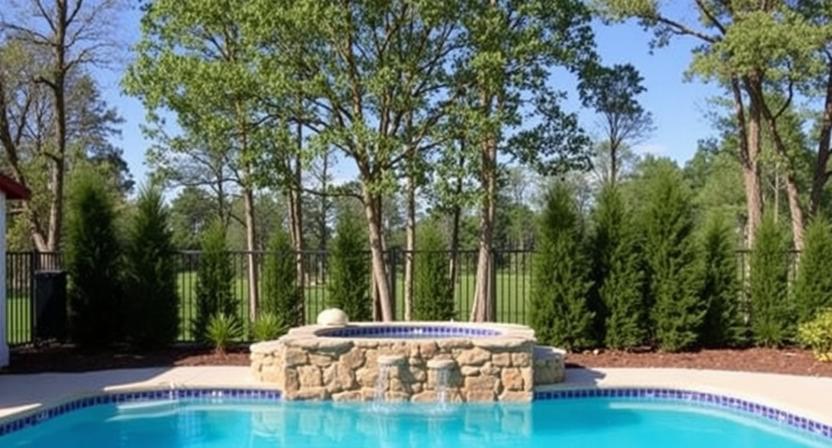
Inground pools are permanent swimming pools built below ground level with excavation, structure installation, plumbing, electrical work, coping, decking, equipment, fencing, inspections, and startup. They suit long-term backyard use, custom design, family swimming, fitness, entertaining, and stronger landscape integration than above-ground pools.
Inground pool selection depends on pool type, budget, yard size, site access, soil conditions, slope, design goals, maintenance expectations, and local pool enclosure rules. A well-planned inground pool connects the pool shell, equipment, deck, fence, drainage, and landscape into one permanent backyard system.
Quick Answer
What are inground pools?
Inground pools are permanent pools installed below ground level with a structural shell, plumbing, filtration, electrical systems, coping, decking, and a compliant pool enclosure. They are built for long-term backyard use and stronger landscape integration.
What types of inground pools are common?
Inground pools commonly include fibreglass pools, vinyl liner pools, and concrete pools. ICF pools are another construction method that uses insulated concrete forms around reinforced concrete to improve structural strength and heat retention.
Which inground pool type is best?
The best inground pool type depends on budget, design goals, installation timeline, maintenance needs, and yard conditions. Fibreglass pools suit lower maintenance and faster installation. Vinyl liner pools suit lower upfront inground cost and flexible shapes. Concrete pools suit custom shapes, custom depths, and premium finishes.
Quick Overview
| Decision Factor | Best Inground Pool Fit |
|---|---|
| Lower maintenance | Fibreglass pool |
| Lower upfront inground cost | Vinyl liner pool |
| Full custom design | Concrete pool |
| Energy efficiency | ICF pool |
| Small backyard use | Plunge pool |
| Fitness swimming | Lap pool |
| Premium view property | Infinity pool |
| Year-round enclosed use | Indoor swimming pool |
What Are Inground Pools?
Inground pools are permanent swimming pools built below yard grade with an excavated pool area, structural pool shell, plumbing lines, electrical bonding, equipment pad, coping, decking, drainage, fencing, inspection, and startup. The finished pool becomes part of the property’s long-term backyard layout.
How are inground pools built?
Inground pools are built through excavation, shell installation, plumbing, electrical work, backfill, coping, decking, equipment setup, fencing, inspection, and water startup. The builder marks the pool layout, removes soil, prepares the base, installs the pool structure, connects the circulation system, then finishes the surrounding deck and enclosure.
What makes them permanent?
Inground pools are permanent because the pool shell sits below grade and connects to fixed plumbing, electrical systems, decking, drainage, and safety enclosure work. Removal needs major demolition, soil work, utility disconnection, backfill, compaction, and landscape repair.
What systems are included?
Inground pool systems include the pool shell, skimmer, main drains, return lines, pump, filter, heater, sanitizer, valves, automation, lighting, and electrical bonding. The finished project also includes coping, decking, fencing, gates, drainage, and access paths.
What work happens below grade?
Below-grade pool work includes excavation, base preparation, shell placement, plumbing trenches, drainage, backfill, compaction, and utility routing. The pool structure must handle water pressure inside the shell and soil pressure outside the shell. Drainage and backfill quality protect the shell, plumbing, and deck from movement.
What limits inground pool installation?
Inground pool installation is limited by yard size, access width, soil type, slope, groundwater, drainage, utility locations, tree roots, setbacks, fencing rules, equipment placement, and inspection requirements. Tight access raises labour needs. Poor soil, steep slopes, and high groundwater increase engineering, drainage, and structural work.
What Types of Inground Pools Are Available?
Inground pool types include fibreglass pools, vinyl liner pools, concrete pools, ICF pools, and specialty designs such as plunge pools, lap pools, infinity pools, and indoor pools. Each type differs by structure, installation method, design flexibility, maintenance needs, and long-term use.
What are fibreglass inground pools?
Fibreglass inground pools use a one-piece moulded fibreglass shell installed inside the excavated pool area. They suit faster installation, smooth surfaces, lower maintenance, and pre-designed shapes, sizes, steps, benches, and ledges.
What are vinyl liner inground pools?
Vinyl liner inground pools use a wall system with a fitted vinyl liner as the interior pool surface. They suit lower upfront inground cost, flexible shapes, liner pattern choices, and future liner replacement.
What are concrete inground pools?
Concrete inground pools use reinforced concrete, gunite, or shotcrete to form the pool shell. They suit custom shapes, custom depths, built-in features, premium finishes, and complex backyard designs.
What are ICF inground pools?
ICF inground pools use insulated concrete forms filled with reinforced concrete. The forms stay in place and add continuous EPS insulation around the pool walls. They suit heated pools, indoor pools, energy efficiency, and long-term use.
What specialty inground pools exist?
Specialty inground pools include plunge pools, lap pools, infinity pools, and indoor pools. Plunge pools suit compact yards and relaxation. Lap pools suit fitness swimming. Infinity pools suit view properties. Indoor pools suit year-round private use.
| Inground Pool Type | Main Structure | Best Use |
|---|---|---|
| Fibreglass pool | One-piece moulded shell | Low maintenance and faster installation |
| Vinyl liner pool | Wall system with fitted vinyl liner | Lower upfront cost and flexible design |
| Concrete pool | Reinforced concrete, gunite, or shotcrete shell | Custom shapes, depths, and finishes |
| ICF pool | Insulated concrete forms with reinforced concrete | Heated pools and energy efficiency |
| Plunge pool | Compact inground pool | Small yards and relaxation |
| Lap pool | Long narrow pool | Fitness and swimming exercise |
| Infinity pool | Vanishing-edge pool system | View lots and premium design |
| Indoor pool | Enclosed inground pool | Year-round private use |
What Benefits Do Inground Pools Offer?
Inground pools offer permanent backyard use, stronger patio integration, custom landscape design, larger swimming space, family recreation, fitness use, entertaining space, and long-term property planning. The main benefit is a built-in pool environment that becomes part of the yard structure, not a removable seasonal feature.
Why does permanence matter?
Permanence matters because an inground pool is built for long-term use. The pool shell, plumbing, equipment pad, coping, deck, drainage, and fence become fixed parts of the property. This supports durable backyard planning, stable access, and a more finished outdoor layout.
Why does design integration matter?
Design integration matters because inground pools connect directly with patios, walkways, decks, planting, lighting, seating, and outdoor kitchens. The pool edge sits near yard grade, which creates a cleaner link between the water, coping, deck, and landscape.
Why does yard value matter?
Yard value matters because a well-planned inground pool improves how the backyard functions. The pool creates a clear outdoor zone for swimming, relaxing, hosting, and family use. Strong yard design depends on pool placement, deck width, drainage, fence layout, privacy, and equipment screening.
Why does swimming space matter?
Swimming space matters because inground pools support more usable water area than many raised or temporary pool types. Larger shells, deeper profiles, swim lanes, steps, benches, tanning ledges, and open play zones improve daily use for families, fitness swimming, and entertaining.
Why does long-term use matter?
Long-term use matters because inground pools require planning for maintenance, water care, equipment service, resurfacing or liner replacement, safety, and winter care. A good pool plan matches the pool type, yard size, budget, and future property use before construction starts.
What Design Options Are Available for Inground Pools?
Inground pools offer custom shapes, depths, entry styles, features, finishes, and edge designs. The best design depends on yard size, pool type, swim use, budget, safety needs, maintenance expectations, and long-term landscape planning.
What shapes are common?
Inground pool shapes commonly include rectangle, freeform, kidney, L-shape, Roman-end, and geometric layouts. Rectangle pools suit clean deck layouts, automatic covers, lap swimming, and modern yards. Freeform and kidney shapes suit landscape-led designs and softer garden layouts.
What depths are common?
Inground pool depths commonly include shallow play areas, sport profiles, deep ends, and lap profiles. A shallow area suits children, lounging, and low-impact movement. A sport profile suits games and family use. A lap profile supports straight-line swimming.
What steps are common?
Inground pool steps include corner steps, full-width steps, beach entry, tanning ledges, benches, and swim-outs. Entry design affects comfort, safety, shallow-water use, and pool circulation. Steps and ledges need enough space, slip-resistant finish selection, and clear visibility.
What features are common?
Inground pool features include spas, waterfalls, lights, deck jets, automation, heaters, covers, benches, and tanning ledges. Feature planning affects plumbing, electrical work, energy use, maintenance, and total project cost.
What finishes are common?
Inground pool finishes include gelcoat, vinyl liner, plaster, tile, pebble, and aggregate. Fibreglass pools use a gelcoat surface. Vinyl liner pools use a fitted vinyl liner. Concrete pools use plaster, tile, pebble, aggregate, or other approved finishes.
| Design Option | Inground Pool Examples |
|---|---|
| Shape | Rectangle, freeform, kidney, L-shape, Roman-end, geometric |
| Depth | Shallow play area, sport profile, deep end, lap profile |
| Entry | Steps, beach entry, tanning ledge, bench, swim-out |
| Features | Spa, waterfall, lights, deck jets, automation, cover |
| Finish | Gelcoat, vinyl liner, plaster, tile, pebble, aggregate |
| Edge | Coping, raised wall, vanishing edge, perimeter overflow |
What Sizes Are Common for Inground Pools?
Inground pool sizes commonly range from compact plunge pools to larger family and entertainment pools. The right size depends on yard area, setback rules, deck space, access, pool type, swimmer count, depth plan, equipment size, and long-term use.
What small sizes are common?
Small inground pools suit compact yards, cooling, sitting, and lower water volume. Common small options include plunge pools, compact rectangles, small freeform pools, and courtyard-style pools. They fit best when the yard needs patio space, seating, fencing, and equipment access around the pool.
What medium sizes are common?
Medium inground pools suit standard backyards, family swimming, play, and mixed use. This size group often supports steps, benches, shallow play areas, and enough water area for several swimmers without taking over the whole yard.
What large sizes are common?
Large inground pools suit wider lots, larger families, entertaining, and more open swim space. Larger pools need more excavation, structure, water, heating, filtration, decking, fencing, and maintenance.
What depths are common?
Inground pool depths commonly include shallow play depths, sport-pool profiles, lap-pool depths, and deeper ends where local rules and design allow them. Depth affects water volume, excavation, structure, safety, heating, and maintenance.
What size suits each use?
Inground pool size should match the main use first. Plunge pools suit cooling and small-yard use. Medium pools suit family play. Large pools suit entertaining. Long narrow pools suit fitness swimming. Deep-end pools suit diving-style use only where the design, depth, and local safety rules allow it.
| Size Group | Common Use | Better Fit |
|---|---|---|
| Small inground pool | Cooling, sitting, compact yards | Plunge pools and small family use |
| Medium inground pool | Family swimming and play | Standard backyards |
| Large inground pool | Entertaining and larger families | Wider lots |
| Long narrow pool | Fitness swimming | Lap pools and narrow yards |
| Deep-end pool | Diving-style use where allowed | Larger yards and higher budgets |
What Affects Inground Pool Cost?
Inground pool cost depends on pool type, pool size, pool depth, yard access, soil conditions, slope, equipment, decking, permits, inspections, and electrical compliance. Ontario 2026 cost sources list wide installed ranges by pool type. One 2026 Ontario source lists vinyl liner inground pools at $40,000–$120,000, fibreglass inground pools at $65,000–$130,000, and concrete inground pools at $100,000–$250,000+.
Does pool type affect cost?
Pool type affects inground pool cost because fibreglass, vinyl liner, concrete, and ICF pools use different structures, labour, installation timelines, equipment needs, and finish systems. Vinyl liner pools often sit at the lower end of inground pricing. Fibreglass pools use a pre-moulded shell. Concrete pools usually cost more because they need custom forming, reinforcement, surface finishing, and longer build time. Ontario cost sources also list concrete pools as the highest-cost common inground option.
Does pool size affect cost?
Pool size affects inground pool cost because larger pools need more excavation, shell material, water, plumbing, filtration capacity, heating capacity, coping, decking, fencing, and maintenance. Larger pools also raise long-term costs through higher water volume, higher chemical use, longer cleaning time, and greater heating demand.
Does yard access affect cost?
Yard access affects inground pool cost because tight access limits excavation equipment, soil removal, shell delivery, concrete work, and material handling. Narrow side yards, fences, overhead wires, trees, and grade changes increase labour. Fibreglass pool projects may also need crane access for shell placement.
Does soil affect cost?
Soil affects inground pool cost because rock, clay, high groundwater, unstable fill, and poor drainage increase excavation and structural work. Difficult soil may require engineered backfill, drainage systems, retaining walls, dewatering, or design changes. Ontario cost guidance identifies site conditions, excavation difficulty, soil type, grading, and property access as major price drivers.
Does decking affect cost?
Decking affects inground pool cost because coping, patio size, stairs, drainage, retaining edges, and hardscape materials shape the final project budget. Basic concrete decking costs less than large patios, stonework, raised walls, lighting, outdoor kitchens, and full landscape integration.
| Cost Factor | Why It Affects Price |
|---|---|
| Pool type | Fibreglass, vinyl, concrete, and ICF use different structures |
| Pool size | Larger pools need more excavation, water, equipment, and material |
| Pool depth | Deeper pools need more excavation and structural work |
| Access | Tight access increases labour, crane work, or equipment limits |
| Soil | Rock, clay, groundwater, and poor drainage raise site cost |
| Slope | Grading, retaining walls, and drainage increase scope |
| Equipment | Pump, filter, heater, sanitizer, lights, and automation affect budget |
| Decking | Coping, patio, stairs, drainage, and hardscape change final cost |
| Permits | Pool enclosure, zoning, inspections, and electrical compliance add required cost |
How Are Inground Pools Installed?
Inground pools are installed through site review, design planning, utility locates, zoning review, permits, layout marking, excavation, structure work, plumbing, electrical bonding, backfill, coping, decking, fencing, equipment setup, inspection, filling, and startup water balancing. Each step affects the pool’s safety, structure, water quality, and long-term use.
What happens during design?
Inground pool design starts with yard size, access, soil, slope, drainage, sun exposure, privacy, pool type, pool shape, depth, steps, features, equipment location, deck layout, and fence placement. The design plan sets the pool shell, plumbing routes, electrical bonding needs, equipment pad, coping, decking, drainage, and landscape connection.
What happens during permits?
Inground pool permits include zoning review, pool enclosure approval, setback checks, drawings, and inspections where local rules require them. Utility locates must be completed before digging to identify buried gas, hydro, water, sewer, and communication lines.
What happens during excavation?
Excavation removes soil for the pool shell, base, plumbing lines, equipment connections, and drainage. The crew marks the pool layout, protects access routes, removes excavated material, shapes the hole, and prepares the base for the selected pool type.
What happens during structure work?
Structure work depends on the inground pool type. Fibreglass pools use shell placement and levelling. Vinyl liner pools use wall panels, floor shaping, and liner fitting. Concrete pools use steel reinforcement with gunite, shotcrete, or poured concrete. ICF pools use insulated forms filled with reinforced concrete. Plumbing rough-in, electrical bonding, backfill, coping, decking, and fencing follow the structural stage.
What happens during startup?
Pool startup includes equipment setup, inspection, water filling, leak checks, circulation testing, filtration, sanitizer setup, pH adjustment, alkalinity adjustment, calcium hardness checks, and user handover. Health Canada says pool water needs daily testing for sanitizer, pH, total alkalinity, and calcium hardness, which supports safe use and protects pool surfaces and equipment.
How Long Does Inground Pool Installation Take?
Inground pool installation time depends on pool type, permit timing, yard access, weather, soil, slope, inspections, decking, fencing, and landscaping scope. Current pool timeline sources commonly identify fibreglass pools as the fastest inground option, vinyl liner pools as mid-range, and concrete pools as the longest because concrete construction needs more on-site forming, finishing, and curing time.
Which inground pool installs fastest?
Fibreglass inground pools install fastest because the pool shell arrives as a one-piece moulded structure. The main site work includes excavation, base preparation, shell placement, plumbing, backfill, coping, decking, equipment setup, inspection, filling, and startup. Current installation guidance places fibreglass pools around 2–3 weeks for many projects after approvals and scheduling.
Which inground pool takes longest?
Concrete inground pools take longest because the pool shell is built on site with rebar, gunite, shotcrete, or poured concrete, then finished with plaster, tile, pebble, or another surface. Current comparison guidance places concrete pools at 3–5 months or longer, while other sources note 30 days or more just for concrete or gunite curing in some builds.
What delays installation?
Inground pool installation delays come from permit review, utility locates, tight access, rock, clay, high groundwater, slope, poor drainage, rain, freezing weather, material lead times, equipment scheduling, crane access, deck work, fencing, inspections, and design changes. Larger projects with outdoor kitchens, retaining walls, lighting, landscaping, or custom features need more time than pool-only installs.
What inspections affect timing?
Inground pool inspections affect timing through zoning review, pool enclosure review, electrical inspection, bonding inspection, fence inspection, and final approval. Toronto requires an approved Zoning Certificate before a Pool Fence Enclosure Permit, and the pool cannot be constructed and filled with water before the required fence is installed.
What work follows pool placement?
Pool placement is followed by plumbing connections, electrical bonding, backfill, coping, decking, equipment setup, fence installation, inspections, water filling, leak checks, filtration startup, sanitizer setup, pH adjustment, alkalinity adjustment, calcium hardness checks, and owner handover. Finished landscaping often follows after the pool, deck, fence, and inspection stages are complete.
How Long Does Inground Pool Installation Take?
Inground pool installation time depends on pool type, permit timing, yard access, soil, slope, weather, inspections, decking, fencing, and landscape scope. Current comparison sources position fibreglass pools as faster to install, vinyl liner pools as moderate, and concrete pools as longer because they need on-site concrete construction, curing, and finishing.
Which inground pool installs fastest?
Fibreglass pools install fastest because the factory-made fibreglass shell is placed on site after excavation and base preparation. Current comparison sources commonly place fibreglass installation ahead of vinyl liner and concrete pools because the shell is pre-engineered before delivery.
Which inground pool takes longest?
Concrete pools take longest because the shell is built on site with reinforcement, gunite, shotcrete, or poured concrete, then finished with plaster, tile, pebble, or another approved finish. Current comparison sources place many concrete pool projects at 3 to 6 months, depending on permits, curing, customization, fencing, and finishing work.
What delays installation?
Inground pool installation delays come from permit review, utility locates, tight access, rock, clay, groundwater, slope, poor drainage, rain, freezing weather, material lead times, crane scheduling, deck work, fencing, inspections, and late design changes. Larger projects with spas, retaining walls, lighting, outdoor kitchens, or full landscaping need more time than pool-only builds.
What inspections affect timing?
Inspections affect timing through zoning review, pool enclosure review, electrical inspection, bonding inspection, fence inspection, and final approval. Pool work cannot move through each stage until required checks are complete under local rules.
What work follows pool placement?
Pool placement is followed by plumbing connections, electrical bonding, backfill, coping, decking, fence installation, equipment setup, inspections, water filling, leak checks, filtration startup, sanitizer setup, pH adjustment, alkalinity adjustment, calcium hardness checks, and owner handover.
| Pool Type | Installation Position | Main Reason |
|---|---|---|
| Fibreglass pool | Faster | Factory-made shell is placed on site |
| Vinyl liner pool | Medium | Wall system and liner fitting take staged work |
| Concrete pool | Longest | On-site forming, concrete work, curing, and finishing |
| ICF pool | Medium to long | Form assembly, concrete, waterproofing, and finishing |
What Maintenance Is Needed for Inground Pools?
Inground pool maintenance includes water testing, cleaning, filtration, surface care, seasonal opening and closing, winter protection, and planned repairs. Health Canada says pool water needs daily testing for sanitizer levels, pH, total alkalinity, and calcium hardness to help keep swimmers safe.
What water testing is needed?
Inground pool water testing needs checks for sanitizer, pH, total alkalinity, and calcium hardness. Balanced water helps protect swimmers, pool surfaces, heaters, pumps, filters, ladders, fittings, and metal parts. Health Canada also states that proper sanitizer levels help stop disease-causing microorganisms from multiplying.
What surface care is needed?
Inground pool surface care depends on the pool type. Fibreglass pools need gelcoat care and gentle brushing. Vinyl liner pools need liner protection from tears, wrinkles, fading, and leaks. Concrete pools need plaster, tile, pebble, or aggregate care. ICF pools need surface care based on the selected finish system.
What equipment care is needed?
Inground pool equipment care covers the pump, filter, baskets, valves, heater, sanitizer, lights, automation, returns, and circulation system. Clean baskets, filter service, leak checks, and steady water flow help maintain water clarity and reduce equipment strain.
What winter care is needed?
Inground pool winter care protects the pool shell, plumbing, equipment, waterline, cover, coping, and decking in cold climates. Closing work includes water balancing, cleaning, lowering water where needed, protecting lines, shutting down equipment, and securing the winter cover.
What repairs affect ownership?
Inground pool repairs affect ownership through liner replacement, resurfacing, crack repair, gelcoat care, equipment replacement, leak repair, coping repair, and deck repair. Vinyl liner pools need future liner replacement. Concrete pools need resurfacing over time. Fibreglass pools may need gelcoat repair when the surface wears or gets damaged.
| Maintenance Area | Inground Pool Requirement |
|---|---|
| Water testing | Sanitizer, pH, alkalinity, and calcium hardness |
| Cleaning | Skimming, brushing, vacuuming, and debris removal |
| Filtration | Pump, filter, baskets, returns, and circulation |
| Surface care | Gelcoat, liner, plaster, tile, or aggregate care |
| Seasonal care | Opening, closing, winter cover, and equipment protection |
| Repairs | Liner replacement, resurfacing, crack repair, or gelcoat care |
How Long Do Inground Pools Last?
Inground pools last for decades when the pool shell, surface finish, water balance, equipment, drainage, and winter care are maintained correctly. The main lifespan difference comes from the pool material. Fibreglass pools need gelcoat care. Vinyl liner pools need liner replacement. Concrete pools need resurfacing. ICF pools need waterproofing, finish care, and drainage control.
What affects fibreglass pool life?
Fibreglass pool life depends on shell condition, gelcoat care, water balance, drainage, backfill support, and winter care. The gelcoat surface needs gentle cleaning, stable chemistry, and protection from stains, scale, and rough tools.
What affects vinyl liner pool life?
Vinyl liner pool life depends on the liner, wall system, floor base, water balance, UV exposure, winter cover strain, and puncture protection. Industry guidance states that vinyl pool structures have long service life, while the vinyl liner is commonly replaced about every 10 years.
What affects concrete pool life?
Concrete pool life depends on the reinforced concrete shell, surface finish, brushing, water balance, crack control, drainage, and resurfacing. Industry guidance states that concrete pools last for decades, but they need routine work such as acid washing and resurfacing about every 10 years.
What affects ICF pool life?
ICF pool life depends on the reinforced concrete core, EPS insulation, waterproofing system, interior finish, drainage, soil pressure, groundwater, and freeze-thaw control. The structure needs proper engineering, sealed penetrations, stable backfill, and long-term drainage around the pool shell.
What care extends lifespan?
Inground pool care extends lifespan through daily water testing, correct sanitizer, stable pH, balanced alkalinity, correct calcium hardness, regular cleaning, equipment service, leak checks, drainage control, and proper winter closing. Consistent care protects the surface finish, pool shell, plumbing, heater, pump, filter, coping, and deck.
| Pool Type | Long-Term Ownership Issue |
|---|---|
| Fibreglass pool | Gelcoat care and shell condition |
| Vinyl liner pool | Liner replacement |
| Concrete pool | Resurfacing, brushing, and surface repairs |
| ICF pool | Waterproofing, finish care, and drainage |
| Plunge pool | Material-specific care |
| Lap pool | Heating, cover use, and surface care |
What Yards Suit Inground Pools?
Inground pools suit small yards, narrow yards, sloped yards, large yards, view lots, and indoor spaces when the pool type matches the site. The best fit depends on yard size, access width, soil, slope, drainage, setbacks, equipment location, and pool enclosure rules.
Do small yards suit inground pools?
Small yards suit inground pools when the design uses a compact shell and keeps enough space for decking, fencing, equipment, and access. Plunge pools, small fibreglass pools, and small vinyl liner pools often suit compact backyards.
Do narrow yards suit inground pools?
Narrow yards suit inground pools when the pool uses a long, slim shape. Lap pools, rectangular pools, and narrow vinyl liner pools make better use of limited width while keeping useful swim length.
Do sloped yards suit inground pools?
Sloped yards suit inground pools when the design includes engineering, drainage, retaining support, and grading. Concrete pools, ICF pools, and engineered inground pools suit slope-based designs because they allow custom structure and site-specific wall planning.
Do large yards suit inground pools?
Large yards suit most inground pool types because they provide more space for the pool shell, patio, fencing, equipment, landscape zones, and outdoor living areas. Concrete, fibreglass, vinyl liner, infinity, and lap pools all fit large yards when the design matches the main use.
Do tight-access yards suit inground pools?
Tight-access yards suit some inground pools, but access affects the pool type. Vinyl liner, concrete, and ICF pools often suit tight access better than large fibreglass shells because they use staged material delivery or on-site construction. Large fibreglass shells need enough access for delivery and placement.
| Yard Condition | Better Inground Pool Fit |
|---|---|
| Small yard | Plunge pool, small fibreglass pool, small vinyl pool |
| Narrow yard | Lap pool, rectangular pool, narrow vinyl pool |
| Sloped yard | Concrete pool, ICF pool, or engineered inground pool |
| Large yard | Concrete, fibreglass, vinyl, infinity, or lap pool |
| Tight access | Vinyl, concrete, or ICF may suit better than large fibreglass shells |
| View lot | Infinity pool |
| Indoor space | Indoor swimming pool |
What Features Are Available for Inground Pools?
Inground pool features include entry systems, comfort upgrades, water features, lighting, automation, and safety features. Each feature affects design, plumbing, electrical work, equipment size, maintenance, energy use, and final cost.
What entry features are common?
Inground pool entry features include steps, beach entry, ladders, tanning ledges, benches, and swim-outs. Entry features improve safe access, shallow-water use, and comfort for children, older adults, and frequent swimmers.
What comfort features are common?
Inground pool comfort features include benches, swim-outs, spas, heaters, and covers. Benches and swim-outs create rest areas. A heater extends use in cooler weather. A cover reduces heat loss, debris, and evaporation.
What water features are common?
Inground pool water features include waterfalls, deck jets, spillover spas, and bubblers. Water features add movement and sound, but they also add plumbing, pump demand, water balance needs, and maintenance.
What lighting features are common?
Inground pool lighting features include LED lights, nicheless lights, and landscape lighting around the pool area. Lighting improves night visibility, safety, and pool-area use after dark. Electrical planning and bonding must follow local code requirements.
What automation features are common?
Inground pool automation features include pump control, heater control, light control, sanitizer control, schedules, and remote monitoring. Automation helps manage water circulation, temperature, lighting, and chemical systems through one control setup.
| Feature Group | Common Examples |
|---|---|
| Entry | Steps, beach entry, ladders, tanning ledges |
| Comfort | Benches, swim-outs, spa, heater, cover |
| Water | Waterfall, deck jets, spillover spa, bubblers |
| Lighting | LED lights, nicheless lights, landscape lighting |
| Automation | Pump control, heater control, lights, sanitizer |
| Safety | Cover, fence, gate, anti-slip decking, alarms |
What Safety Rules Apply to Inground Pools?
Inground pool safety rules focus on pool fencing, controlled gates, safe covers, setback checks, inspections, and restricted access. Health Canada advises a fence at least 1.2 metres high around backyard pools, a self-closing and self-latching gate, and no climbable objects near the fence.
Are pool fences needed?
Pool fences are needed for inground pools under most municipal pool safety rules. The fence restricts unsupervised access and separates the pool from open yard areas. Toronto states that swimming pool enclosures must completely surround the pool area, with no openings except a gate.
Are gates needed?
Gates are needed where the pool fence has an entry point. Health Canada advises a self-closing and self-latching gate, with the latch beyond a child’s reach and the gate kept locked.
Are covers needed?
Pool covers improve safety only when they are designed and rated as safety covers. Standard debris covers do not replace fencing, locked gates, supervision, or local enclosure rules. Safety covers need correct fit, anchoring, drainage, and regular checks.
Are setbacks checked?
Setbacks are checked through local zoning review. Toronto requires applicants to obtain an approved Zoning Certificate before applying for a Pool Fence Enclosure Permit, which helps confirm pool and enclosure placement before construction.
Are inspections needed?
Inspections are needed before pool use where local rules require enclosure confirmation. Toronto states that water cannot be filled or allowed to remain in a swimming pool until the city has inspected and confirmed a compliant permanent swimming pool enclosure.
What Permits Apply to Inground Pools?
Inground pool permits include zoning checks, pool enclosure permits, electrical inspections, utility locates, and final inspections where local rules require them. Toronto requires a Zoning Applicable Law Certificate before applying for a Pool Fence Enclosure Permit. Toronto also states that a pool cannot be constructed and filled with water without a fence installed under Toronto Municipal Code Chapter 447 – Fences.
Are pool permits needed?
Pool permits are needed when municipal rules require approval for the pool structure, enclosure, deck, grading, drainage, or related work. Local rules vary by city, pool type, water depth, fence design, setback distance, and construction scope.
Are pool enclosure permits needed?
Pool enclosure permits are needed for outdoor pools under Toronto’s pool fence process. The enclosure must fully surround the pool area and may only have a gate opening that complies with the fence bylaw.
Are zoning checks needed?
Zoning checks are needed before the pool fence permit stage in Toronto. Applicants must first obtain a Zoning Applicable Law Certificate, then submit the pool fence application with the zoning-approved site plan or drawings showing fence location, height, and materials.
Are electrical inspections needed?
Electrical inspections are needed for pool electrical work, including bonding, lights, pumps, heaters, automation, and equipment connections. Licensed electrical work and inspection help protect swimmers, equipment, and the pool area from electrical hazards.
Are utility locates needed?
Utility locates are needed before excavation, trenching, deck posts, equipment-pad work, or fence-post digging. Ontario One Call says homeowners must submit a locate request at least 5 business days before digging, and locators mark buried public lines and cables so digging proceeds safely.
How Do Inground Pools Compare?
Inground pools compare by placement, permanence, structure, cost, design control, and long-term use. Inground describes a pool built below ground level. Above-ground, semi-inground, plunge, lap, and saltwater pools describe different placement types, pool uses, or sanitation systems.
How do inground pools compare with above-ground pools?
Inground pools cost more than above-ground pools, but they offer stronger permanence, deeper design options, and better landscape integration. Above-ground pools suit lower upfront budgets, faster setup, removable structures, and seasonal family use.
How do inground pools compare with semi-inground pools?
Inground pools sit fully below grade. Semi-inground pools sit partly below grade and often suit sloped yards, raised decks, and uneven terrain. Semi-inground pools usually need less excavation than full inground pools but more site work than above-ground pools.
How do inground pools compare with plunge pools?
Inground describes pool placement. Plunge describes compact size and use. A plunge pool is often an inground pool, but its main purpose is cooling, soaking, small-yard use, and outdoor living rather than full-length swimming.
How do inground pools compare with lap pools?
Inground describes pool placement. Lap describes long, narrow fitness use. A lap pool is often built inground to support straight-line swimming, consistent depth, lane-like shape, and a fitness-focused layout.
How do inground pools compare with saltwater pools?
Inground describes pool structure and placement. Saltwater describes the sanitation system. An inground pool may use chlorine, bromine, mineral systems, UV, ozone, or a salt chlorine generator depending on equipment, finish, and owner preference.
| Comparison | Inground Pool Difference |
|---|---|
| Inground vs above-ground | Inground pools cost more but offer stronger permanence and design integration |
| Inground vs semi-inground | Semi-inground pools sit partly below grade and may suit sloped yards |
| Inground vs plunge | Inground describes placement; plunge describes compact size and use |
| Inground vs lap | Inground describes placement; lap describes long narrow fitness use |
| Inground vs saltwater | Inground describes structure; saltwater describes sanitation system |
Who Are Inground Pools Best For?
Inground pools are best for homeowners who want a permanent backyard pool, custom design, family swimming, fitness use, and higher-end landscape integration. They are weaker fits for the lowest upfront budget, temporary use, or simple seasonal swimming.
Are they best for long-term use?
Inground pools are a strong fit for long-term use because the pool shell, plumbing, equipment, coping, decking, fencing, and drainage become fixed parts of the property. This permanence supports long-term backyard planning and repeated seasonal use.
Are they best for custom design?
Inground pools are a strong fit for custom design because they support custom shapes, depths, steps, benches, tanning ledges, spas, lighting, water features, and finish choices. Concrete pools offer the most design freedom, while fibreglass and vinyl liner pools offer model-based or layout-based customization.
Are they best for family swimming?
Inground pools are a strong fit for family swimming because they support shallow areas, steps, benches, play zones, and wider swimming space. A family-focused design needs safe entry, clear sightlines, slip-resistant decking, fencing, and enough deck space for supervision.
Are they best for fitness?
Inground pools are a strong fit for fitness when the design uses a lap pool, long rectangle, consistent depth, or swim-current system. Fitness use needs enough length, clear swim path, safe entry, heating, cover use, and regular water care.
Are they best for low budgets?
Inground pools are a weak fit for low budgets because they need excavation, structure, plumbing, electrical work, equipment, coping, decking, fencing, permits, inspections, and long-term maintenance. Above-ground pools suit lower upfront budgets and simple seasonal swimming better.
| Homeowner Need | Fit |
|---|---|
| Permanent backyard pool | Strong fit |
| Custom design | Strong fit |
| Family swimming | Strong fit |
| Fitness use | Strong fit with lap design |
| Higher-end landscaping | Strong fit |
| Lowest upfront cost | Weak fit |
| Temporary use | Weak fit |
| Simple seasonal swimming | Weaker fit than above-ground |
What Mistakes Increase Inground Pool Cost?
Inground pool mistakes usually happen when homeowners compare only pool material and ignore excavation, access, soil, drainage, retaining work, decking, fencing, permits, equipment, water care, winter care, and long-term repairs. These missed items increase project cost before, during, and after installation.
Is choosing only by pool type a mistake?
Choosing only by pool type is a mistake because fibreglass, vinyl liner, concrete, and ICF pools each have site, access, finish, and maintenance needs. A low shell price does not include every cost tied to excavation, backfill, coping, decking, equipment, fencing, permits, and repairs.
Is ignoring site access a mistake?
Ignoring site access is a mistake because excavation equipment, soil removal, material delivery, and shell placement need clear access. Tight yards increase labour, hand digging, crane needs, fence removal, or equipment limits. Large fibreglass shells need enough access for delivery and placement.
Is ignoring soil a mistake?
Ignoring soil conditions is a mistake because rock, clay, groundwater, poor drainage, and unstable fill raise excavation and structural cost. Difficult soil may need drainage systems, engineered backfill, dewatering, retaining walls, or design changes.
Is ignoring decking a mistake?
Ignoring decking is a mistake because coping, patio size, stairs, drainage, retaining edges, and hardscape materials shape the final budget. A pool quote without decking details often misses a large part of the finished backyard cost.
Is ignoring permits a mistake?
Ignoring permits is a mistake because local rules may require zoning checks, pool enclosure permits, electrical inspections, setbacks, utility locates, and final inspections. Missed permits create redesign, delays, added fees, or removal risk.
How Do You Compare Inground Pool Quotes?
Inground pool quotes need the same scope for pool type, pool size, structure, excavation, site access, drainage, plumbing, equipment, decking, fencing, warranty, and exclusions. A clear comparison separates full project cost from a low base price.
What pool details matter?
Pool details include pool type, length, width, depth, water volume, shape, entry style, surface finish, and included features. The quote needs to state whether the pool is fibreglass, vinyl liner, concrete, ICF, plunge, lap, or infinity.
What site work matters?
Site work includes excavation, soil removal, rock, clay, groundwater, grading, haulage, disposal, access width, crane access, machine access, overhead clearance, drainage, retaining walls, and backfill. These items affect cost before the shell, liner, concrete, or finish work begins.
What equipment details matter?
Equipment details include the pump, filter, heater, sanitizer, lights, automation, skimmers, returns, drains, fittings, valves, and plumbing lines. Equipment must match pool size, water volume, heating needs, and filtration demand.
What permit details matter?
Permit details include zoning review, pool enclosure permits, setbacks, fence location, gates, electrical inspections, bonding inspections, utility locates, drawings, and final inspections. A complete quote states which permits are included and which approvals remain the homeowner’s responsibility.
What warranty details matter?
Warranty details include coverage for the structure, shell, liner, surface finish, equipment, plumbing, installation labour, and defects. A clear quote separates manufacturer warranty from installer warranty and lists exclusions such as landscaping, retaining walls, electrical upgrades, covers, drainage repairs, and future surface repairs.
| Quote Item | What to Check |
|---|---|
| Pool type | Fibreglass, vinyl liner, concrete, ICF, plunge, lap, or infinity |
| Pool size | Length, width, depth, volume, and shape |
| Structure | Shell, liner, concrete, forms, wall panels, or finish |
| Excavation | Soil, rock, groundwater, grading, haulage, and disposal |
| Access | Side-yard width, crane access, machine access, and overhead clearance |
| Drainage | Gravel, sump, slope control, retaining walls, and groundwater control |
| Plumbing | Skimmers, returns, drains, fittings, and lines |
| Equipment | Pump, filter, heater, sanitizer, lights, and automation |
| Decking | Coping, patio, stairs, drains, and safety surface |
| Fencing | Enclosure, gates, setbacks, and inspection |
| Warranty | Structure, surface, liner, shell, equipment, and labour |
| Exclusions | Landscaping, retaining walls, electrical upgrades, covers, and repairs |
How Do Inground Pools Affect Comfort?
Inground pools affect comfort through pool depth, entry design, surface finish, heating, swim space, and deck layout. Comfortable use depends on safe access, suitable water depth, smooth movement, stable water temperature, and a surface that matches daily use.
Does pool depth affect comfort?
Pool depth affects comfort because shallow, sport, lap, and deep profiles support different uses. Shallow areas suit sitting, play, and relaxed movement. Sport profiles suit family games. Lap profiles suit steady swimming. Deep ends suit diving-style use only where the pool design and local safety rules allow it.
Does entry design affect access?
Entry design affects access because swimmers need a safe and stable way to enter and exit the pool. Steps, beach entries, tanning ledges, benches, ladders, and swim-outs improve access for children, older adults, and frequent swimmers.
Does surface finish affect feel?
Surface finish affects feel because each inground pool finish has a different texture. Gelcoat and vinyl liner surfaces feel smooth. Plaster feels firm. Tile, pebble, and aggregate surfaces feel more textured and depend on installation quality.
Does pool heating affect use?
Pool heating affects use because warmer water supports longer swim sessions and longer seasonal use. Heating needs depend on pool size, water volume, cover use, wind exposure, sun exposure, and heater type. A pool cover helps retain heat and reduce evaporation between uses.
How Do Inground Pools Affect Energy Use?
Inground pools affect energy use through pool size, water volume, heating needs, pump type, cover use, wind exposure, and temperature setting. The largest energy demands usually come from heating, evaporation loss, and pool circulation.
Does pool size affect heating?
Pool size affects heating because larger inground pools hold more water and expose more surface area to air. More water needs more energy to heat. Larger surface area also increases evaporation, which removes heat from the pool.
Does a cover reduce heat loss?
A pool cover reduces heat loss by limiting evaporation from the water surface. The U.S. Department of Energy states that covering a pool when not in use is the most effective way to reduce pool heating costs, with possible savings of 50% to 70%.
Does pump type affect electricity use?
Pump type affects electricity use because the pump controls circulation and filtration. ENERGY STAR states that certified in-ground pool pumps use 20% less energy than standard pool pumps and save about $50 per year in energy costs. Variable-speed pumps also run quieter and reduce strain on the filtration system.
Does wind exposure affect temperature?
Wind exposure affects pool temperature because moving air increases evaporation and surface heat loss. Windbreaks, sheltered pool placement, fencing, landscaping, and regular pool cover use help reduce overnight temperature loss and heating demand.
How Do Inground Pools Affect Resale?
Inground pools affect resale through pool condition, yard design, permit compliance, maintenance history, buyer demand, and local market fit. Canadian appraisal guidance treats pool value as contributory value, meaning the pool adds value only when buyers in that market recognize it as useful and well maintained.
Does pool condition matter?
Pool condition matters because buyers assess the pool shell, surface finish, coping, decking, equipment, fencing, water clarity, and visible repair needs. A clean pool with working equipment, safe access, and no visible leaks creates stronger resale appeal than a pool with worn plaster, faded liner, cracked decking, old equipment, or poor drainage.
Does yard design matter?
Yard design matters because an inground pool needs to fit the lot, patio, privacy plan, access routes, seating areas, and landscape layout. A well-planned pool area supports outdoor use. A poorly placed pool reduces lawn space, blocks circulation, increases drainage issues, or makes the yard feel crowded.
Does permit compliance matter?
Permit compliance matters because buyers need proof that the pool, enclosure, setbacks, electrical work, inspections, and gates meet local rules. Toronto requires a Zoning Applicable Law Certificate before a Pool Fence Enclosure Permit. The city also states that a pool cannot be constructed and filled with water without the required fence installed.
Does maintenance history matter?
Maintenance history matters because it shows how the inground pool has been cared for over time. Useful records include water testing logs, equipment service, liner replacement, resurfacing, leak repairs, winter closing, opening service, filter changes, heater care, and permit documents. Clear records reduce buyer risk and support a stronger resale presentation.
How Do Inground Pools Affect Insurance?
Inground pools affect home insurance because they add a permanent structure, water-related liability, guest-injury risk, and safety-compliance requirements. Canadian insurance guidance separates home insurance into property coverage and personal liability coverage, and liability coverage helps address injury or property damage claims involving visitors.
Does fencing affect insurance?
Fencing affects inground pool insurance because insurers assess whether pool access is controlled. A compliant pool fence, self-closing gate, and self-latching gate reduce unsupervised access risk. Health Canada advises backyard pool fencing at least 1.2 metres high, with no climbable objects near the fence.
Does liability coverage matter?
Liability coverage matters because an inground pool increases injury-risk exposure on the property. Insurance Bureau of Canada states that personal liability coverage applies when a homeowner is held liable for injury or property damage caused to others, up to the policy limit. Pool owners often review liability limits with an insurance broker before or after installation.
Does pool access affect risk?
Pool access affects risk because open gates, unlocked doors, unsecured ladders, low fences, and climbable objects increase unauthorized entry risk. Safe access control includes locked gates, clear fence zones, controlled deck access, secure covers, lighting, and visible pool rules.
Does safety equipment matter?
Safety equipment matters because it reduces claim risk and supports responsible pool ownership. Useful safety items include a compliant fence, self-closing gate, self-latching gate, safety-rated cover, non-slip decking, rescue equipment, working lighting, and maintained pool equipment. Insurance guidance also stresses the need to tell the broker about pool ownership, renovations, and safety changes so the policy reflects the property risk.
How Do Inground Pools Affect Water Care?
Inground pools affect water care through surface type, pool volume, sanitizer system, pH, alkalinity, calcium hardness, circulation, and cleaning needs. Health Canada says pool water needs daily testing for sanitizer levels, pH, total alkalinity, and calcium hardness.
Does pool surface affect algae?
Pool surface affects algae because texture, joints, corners, and surface wear change where algae and debris collect. Vinyl liner and gelcoat surfaces are smoother and easier to brush. Plaster, tile, pebble, and aggregate surfaces need more brushing because pores, grout lines, and textured areas hold debris more easily.
Does pool volume affect chemicals?
Pool volume affects chemicals because larger inground pools need more sanitizer, pH adjuster, alkalinity control, and calcium hardness control to reach the correct water balance. Water volume also affects shock treatment, heater sizing, pump run time, filter size, and chemical dosing accuracy.
Does sanitizer type affect maintenance?
Sanitizer type affects maintenance because each system has different testing, dosing, and equipment needs. Chlorine, bromine, salt chlorine generators, mineral systems, UV systems, and ozone systems still need regular water testing. CDC recommends pH 7.0–7.8 and at least 1 ppm free chlorine in pools, or at least 2 ppm when cyanuric acid is used.
Does pH affect surface condition?
pH affects surface condition because unbalanced water reduces sanitizer performance, irritates swimmers, and damages pool equipment. The CDC states that pH outside the correct range makes chlorine or bromine less effective, causes skin and eye irritation, and damages pool equipment.
FAQs About Inground Pools
Are inground pools worth it?
Inground pools are worth it for long-term backyard use, custom design, family swimming, fitness, entertaining, and stronger landscape integration. Value depends on pool condition, yard design, maintenance history, buyer demand, and permit compliance.
What are the main types of inground pools?
The main inground pool types are fibreglass pools, vinyl liner pools, concrete pools, and ICF pools. Specialty options include plunge pools, lap pools, infinity pools, and indoor swimming pools.
Which inground pool type is best?
The best inground pool type depends on budget, maintenance needs, installation timeline, design goals, and yard conditions. Fibreglass pools suit lower maintenance and faster installation. Vinyl liner pools suit lower upfront inground cost and flexible shapes. Concrete pools suit custom shapes, custom depths, and premium finishes.
Which inground pool is cheapest?
Vinyl liner inground pools are often the cheapest common inground pool type. Ontario 2026 cost sources list vinyl liner pools from about $40,000–$120,000, fibreglass pools from about $65,000–$130,000, and concrete pools from about $100,000–$250,000+.
Which inground pool needs less maintenance?
Fibreglass inground pools usually need less surface maintenance because the smooth gelcoat surface resists algae attachment better than rougher surfaces. Vinyl liner pools also need less surface brushing than many concrete finishes, but the liner needs replacement over time.
Which inground pool lasts longest?
Concrete pools and well-built ICF pools offer strong long-term structural life when engineering, drainage, water balance, and surface care are maintained. Vinyl liner pool structures last long, but the liner is commonly replaced about every 10 years.
Are fibreglass inground pools better?
Fibreglass inground pools are better for faster installation, smooth surface feel, lower brushing needs, and lower routine surface maintenance. They are less suitable when the project needs fully custom shapes, custom depths, or oversized shell designs.
Are vinyl liner inground pools cheaper?
Vinyl liner inground pools are usually cheaper upfront than fibreglass and concrete options. They suit flexible shapes and lower starting budgets, but long-term ownership includes liner replacement, water balance, puncture protection, and winter cover care.
Are concrete inground pools worth it?
Concrete inground pools are worth it for full custom design, custom depths, premium finishes, complex features, and long-term landscape integration. They cost more and need more maintenance, including routine brushing, surface care, and resurfacing over time. Industry guidance says concrete pools last for decades but need work such as acid washing and resurfacing.
Are ICF inground pools energy efficient?
ICF inground pools are energy efficient because insulated concrete forms add continuous EPS insulation around a reinforced concrete core. This structure helps reduce heat movement through pool walls, especially for heated pools, indoor pools, and longer-season use.
Do inground pools need permits?
Inground pools need permits where local rules require zoning review, pool enclosure approval, electrical inspection, setbacks, drawings, and inspections. Toronto requires a Zoning Certificate before applying for a Pool Fence Enclosure Permit.
Do inground pools need fencing?
Inground pools need fencing under most municipal pool safety rules. Health Canada advises backyard pool fencing at least 1.2 metres high, with a self-closing and self-latching gate, and no climbable objects near the fence.
Are inground pools good for Canadian winters?
Inground pools are good for Canadian winters when the pool type, plumbing, equipment, cover, drainage, and closing process match freeze-thaw conditions. Winter care protects the pool shell, liner, gelcoat, plaster, coping, plumbing, pump, filter, and heater.
What size inground pool is best?
The best inground pool size depends on yard space, swimmer count, setbacks, deck area, and main use. Small pools suit compact yards and cooling. Medium pools suit family swimming. Large pools suit entertaining. Lap pools suit fitness swimming.
How long do inground pools last?
Inground pools last for decades when the shell, surface, water balance, drainage, equipment, and winter care are maintained. Vinyl liners are commonly replaced about every 10 years, while concrete pools need long-term surface care such as acid washing and resurfacing.