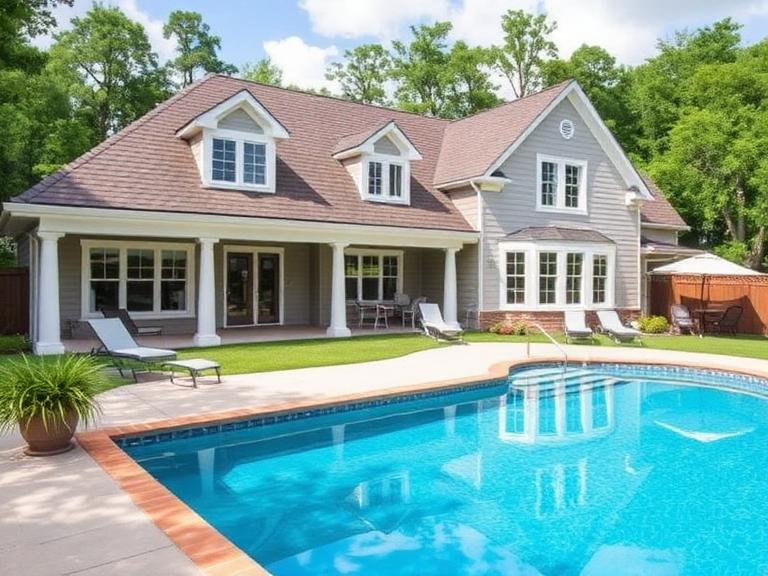
A pool does not guarantee a major increase in home value in Toronto. The resale effect depends on property type, lot size, neighbourhood, buyer demand, pool quality, maintenance condition, and the gap between total installation cost and the likely resale premium. Canadian real-estate guidance states that a swimming pool often adds limited resale value, and RE/MAX notes that spending about $100,000 on a pool may return only about $7,000 at resale in some cases. Buyer response also changes by market and household profile, since some buyers value a pool while others view it as a cost, maintenance item, or safety concern.
The strongest Toronto pool resale value page explains when a pool helps, when a pool hurts, and why ROI stays conditional rather than fixed. A pool supports resale more effectively when it fits the property, matches local buyer expectations, and presents strong build quality and upkeep. A pool works against resale when it narrows buyer demand, raises ownership concerns, or fails to align with the home, the yard, or the surrounding market.
Does a Pool Increase Home Value in Toronto?
A pool does not guarantee a major increase in home value in Toronto. The resale effect depends on property type, lot size, neighbourhood, buyer demand, pool condition, maintenance cost, and the difference between installation cost and likely resale premium. Canadian real-estate commentary often treats pool value as conditional, with one Canadian source stating that homes with pools may sell for around 7% more only when the home sits in an affluent or high-demand pool market.
Does a Pool Add Resale Value in Toronto?
A pool adds resale value in Toronto when the property already fits the buyer profile that wants a pool. The strongest fit is usually a detached home, a larger lot, a higher-value neighbourhood, and a backyard layout that still leaves usable outdoor space. A well-maintained inground pool with safe fencing, clean equipment, strong landscaping, and documented service history presents better than an older pool with repair needs. Canadian resale commentary links stronger pool premiums to affluent areas and markets where pool demand is high.
Why Is Pool Value Conditional Rather Than Guaranteed?
Pool value is conditional rather than guaranteed because a pool creates both appeal and cost. Some buyers value outdoor living, family recreation, and a private summer feature. Other buyers see maintenance, insurance, safety, utility bills, and future repair costs. A pool also uses backyard space, which matters in Toronto where many lots are smaller than suburban lots. Real-estate guidance describes pools as an upgrade with benefits and drawbacks rather than a fixed resale-value increase.
Why Do Toronto Buyers Respond Differently to Pools?
Toronto buyers respond differently to pools because buyer needs, lot expectations, lifestyle priorities, and maintenance tolerance differ. Families who want a private backyard recreation space may value a pool more. Buyers focused on low maintenance, garden space, pets, young children, or rental flexibility may value it less. Seasonality also affects perception. A pool often markets better during warmer months than during winter showings. Canadian real-estate commentary notes that outdoor projects, including pools, patios, decks, hot tubs, and landscaping, appeal to resale buyers when the project scope fits the home and market.
What Is the Short Answer on Pool ROI?
The short answer on pool ROI is that a pool usually works better as a lifestyle upgrade than a guaranteed financial investment. A pool may support resale value in the right Toronto property, but it rarely returns the full installation cost, maintenance cost, and ownership cost through resale alone. The strongest ROI case appears when the pool matches the neighbourhood, lot size, home price tier, buyer demand, and outdoor design quality. Canadian resale data and commentary place pool value in a conditional range rather than a fixed return.
Why Does a Pool Affect Home Value Differently in Toronto?
A pool affects home value differently in Toronto because property type, lot size, neighbourhood, buyer profile, and seasonal appeal change how buyers judge the same feature. A pool has stronger resale value when it fits the home’s price tier, leaves usable yard space, and matches local buyer demand. Canadian real-estate guidance treats a pool as a lifestyle upgrade first and a conditional resale feature second.
Does Property Type Change Pool Value?
Property type changes pool value because detached homes with private yards support pools better than smaller properties with limited outdoor space. A pool suits larger single-family homes where buyers expect outdoor living, privacy, landscaping, and recreation space. A pool has weaker value on compact lots when it removes lawn, garden, play space, or flexible backyard use. Canadian real-estate sources advise checking the local market before assuming a pool raises resale value.
Does Lot Size Change Pool Value?
Lot size changes pool value because a pool needs enough space for safe access, fencing, equipment, decking, drainage, and usable yard area. A large Toronto lot supports a pool better when the backyard still has room for seating, planting, walkways, storage, and open space. A small lot reduces pool value when the pool dominates the yard and limits daily use. Pool value rises when the pool layout feels integrated into the property rather than forced into the available space.
Does Neighbourhood Change Pool Value?
Neighbourhood changes pool value because buyer expectations differ across Toronto price tiers and property markets. Higher-end detached-home areas often support stronger pool appeal because buyers expect premium outdoor features, finished landscaping, and private recreation space. Lower-maintenance buyer markets respond less strongly when buyers prioritize affordability, utility costs, yard flexibility, and lower upkeep. Canadian resale commentary links stronger pool value to affluent or high-demand pool markets rather than every location.
Does Buyer Type Change Pool Value?
Buyer type changes pool value because each buyer group reads a pool differently. Buyers who want outdoor living, family recreation, entertaining space, and a resort-style backyard view the pool as an asset. Buyers who want low maintenance, lower insurance risk, more lawn, garden space, or less seasonal work view the pool as a cost. Canadian real-estate guidance describes outdoor upgrades as valuable when they match the buyer’s lifestyle and the home’s market position.
Does Seasonality Change Buyer Interest?
Seasonality changes buyer interest because pools photograph, show, and market better during warm months. Summer listings highlight blue water, deck space, landscaping, outdoor seating, and private recreation more clearly than winter listings. Winter buyers often focus more on cover condition, maintenance records, safety, and annual carrying costs. Pool appeal still depends on the property, but seasonal presentation changes how strongly buyers notice the feature during the sale process.
When Does a Pool Help Home Value?
A pool helps home value when it matches the Toronto property type, lot size, neighbourhood price tier, buyer segment, and outdoor living design. The strongest resale fit is usually a luxury detached home with a large backyard, safe enclosure, quality landscaping, and a well-maintained inground pool. Canadian real-estate commentary treats pools as conditional resale features, while recent broker commentary notes that outdoor projects such as large yards, pools, hot tubs, decks, patios, and landscaping appeal to resale buyers when the project scope fits the home and market.
Does a Pool Help Luxury Detached Homes More?
A pool helps luxury detached homes more because higher-end buyers often expect private outdoor amenities, finished landscaping, entertaining space, and a complete backyard plan. A pool also fits better when the home already has enough interior space, driveway space, privacy, and lot depth. Toronto luxury listings commonly show pools alongside large detached homes, landscaped grounds, terraces, fireplaces, and premium outdoor features, which shows that pools often sit inside a broader high-end property package rather than as a stand-alone upgrade.
Does a Pool Help Homes With Large Backyards More?
A pool helps homes with large backyards more because it adds recreation value without removing too much usable yard. Large lots support a better mix of pool area, decking, lawn, planting, dining space, storage, and safe circulation. A pool hurts less when buyers still see a balanced backyard. A small yard creates the opposite effect when the pool takes over the outdoor area and reduces flexible space for children, pets, gardens, or entertaining.
Does a Pool Help Homes With Strong Outdoor Design More?
A pool helps homes with strong outdoor design more because buyers judge the full backyard, not only the water. Strong design includes decking, coping, landscaping, lighting, privacy screening, safe fencing, drainage, seating zones, and clear movement around the pool. Canadian resale guidance says outdoor projects have resale appeal when the scope fits the property and buyer demand. A pool that looks integrated into the backyard creates stronger appeal than a pool placed without design support.
Does a Well-Maintained Pool Help More Than an Older Pool?
A well-maintained pool helps more than an older pool because buyers see lower repair risk. Useful proof includes service records, liner age, equipment age, heater condition, pump details, filter records, safety-cover condition, fence compliance, and recent repair invoices. An older pool with stains, leaks, cracked coping, worn equipment, or unclear maintenance history often reduces buyer confidence. A clean pool with documented care supports stronger resale appeal because buyers understand the running condition before making an offer.
Does a Pool Help More in Family-Oriented Buyer Segments?
A pool helps more in family-oriented buyer segments when buyers want private recreation, summer use, outdoor entertaining, and a finished backyard. The value still depends on safety, fencing, supervision concerns, and maintenance expectations. Some families value a pool highly. Other families prefer more lawn, lower upkeep, or less liability. A pool works best when the home targets buyers who already want outdoor living, privacy, and a recreation-focused backyard, rather than buyers focused only on low maintenance.
When Does a Pool Hurt Home Value?
A pool hurts home value when it reduces buyer demand, removes usable yard space, needs major repairs, or creates clear concerns about maintenance, insurance, safety, and annual ownership cost. Toronto buyers do not value pools equally. Some buyers see a pool as a lifestyle feature. Others see a pool as a cost, risk, or space loss. Canadian real-estate guidance states that pool value depends on market demand, climate, condition, and buyer preference rather than a fixed resale premium.
Does a Pool Reduce Buyer Demand on Small Lots?
A pool reduces buyer demand on small lots when it takes too much of the backyard. Toronto properties with limited outdoor space need room for seating, lawn, storage, planting, walkways, children’s play space, and pets. A pool hurts value when buyers see less flexible outdoor use. Small-lot buyers often compare the pool against the lost yard area, not only the pool feature. Real-estate commentary notes that pools do not add value in every market and may become less desirable when buyers view them as a maintenance burden.
Does a Pool Hurt Homes That Need Major Pool Repairs?
A pool hurts homes that need major pool repairs because buyers price the repair risk into their offer. Warning signs include leaks, cracked coping, damaged liners, stained finishes, worn pumps, old heaters, broken covers, poor drainage, and missing service records. An older pool without proof of maintenance adds uncertainty during inspection. Buyers may request a price reduction, repair credit, or condition in the offer. Canadian resale commentary states that pool value changes with pool condition and buyer preference.
Does a Pool Hurt Buyers Focused on Low Maintenance?
A pool hurts buyers focused on low maintenance because it adds seasonal work, service scheduling, water testing, cleaning, chemical balancing, opening, closing, and equipment care. Low-maintenance buyers often prefer a simple yard, patio, garden, or open lawn. A pool may narrow the buyer pool when the target market wants lower upkeep and predictable costs. Real-estate guidance notes that some buyers view pools as desirable, while others see them as a maintenance concern.
Does a Pool Hurt Value When Insurance and Upkeep Look High?
A pool hurts value when insurance and upkeep look high because buyers include annual carrying costs in their decision. Pool ownership may add maintenance, winterization, equipment replacement, utility cost, and higher insurance premium concerns. Toronto pool-home guidance places annual ownership costs around $3,000–$5,000+ CAD for maintenance, winterization, equipment replacement, and higher insurance premiums. Broader real-estate reporting also notes that pools may increase insurance concerns because of safety and liability risk.
Does a Pool Hurt Homes With Limited Backyard Usable Space?
A pool hurts homes with limited backyard usable space when it leaves too little room for daily outdoor living. A backyard needs clear zones for dining, lounging, garden space, safe access, equipment, fencing, and storage. A pool that dominates the lot can make the property feel less practical. The pool becomes a weaker resale feature when buyers see the backyard as one-purpose space instead of flexible outdoor space. Pool value is strongest when the pool integrates with the yard and does not remove the functions buyers expect from a Toronto backyard.
What Do Canadian Real-Estate Sources Say About Pool ROI?
Canadian real-estate sources say pool ROI is lower and more conditional than many interior renovations. Royal LePage ranked a pool as the least worthwhile renovation for resale value in a 2022 survey, with an average value increase of only 6%. Its 2018 survey also placed pools near the bottom, with 66.4% of surveyed advisors saying a pool adds less than 2.5% to selling price. RE/MAX Canada describes a pool as a feature that may improve appeal for some buyers but may not add much future resale value.
What Does Royal LePage Say About Pool ROI?
Royal LePage says pool ROI is weak compared with higher-return renovations. Its 2022 survey of 340 Canadian real-estate professionals found that a kitchen renovation had an average value increase of 20%, a bathroom renovation had 16%, and outdoor entertaining space or landscaping had 10%. The same survey placed pools at only 6%, making them the least worthwhile renovation for increasing property value.
What Does RE/MAX Canada Say About Pool Value?
RE/MAX Canada says pool value depends on buyer preference, maintenance expectations, and resale context. Its pool guidance states that a swimming pool may not add much future home value, gives an example of spending around $100,000 and seeing around $7,000 in return, and notes that not all buyers want a pool. Its renovation guidance also treats outdoor features as appeal-driven upgrades when they fit the home, market, and buyer lifestyle.
Why Do National ROI Surveys Rate Pools Low?
National ROI surveys rate pools low because pool cost often exceeds the resale premium. A pool also narrows the buyer pool because some buyers value private recreation while others see maintenance, safety, insurance, utility cost, and lost yard space. Royal LePage data shows this gap clearly: high-use interior projects such as kitchens and bathrooms rank higher, while pools rank low at 6% in 2022 and less than 2.5% in the 2018 advisor survey.
Why Does Enjoyment Value Differ From Resale Value?
Enjoyment value differs from resale value because personal use is not the same as market return. A Toronto homeowner may value a pool for summer use, family recreation, privacy, outdoor entertaining, and lifestyle quality. A buyer may value the same pool less if the property has a small lot, older equipment, repair needs, high upkeep, or limited backyard flexibility. National Association of Realtors reporting cited by real-estate commentary gives pools a high enjoyment score, but Canadian ROI sources still rate pools low for resale return.
What Property Factors Change Pool Value Most?
Property factors that change pool value most are pool type, design quality, pool age, maintenance condition, landscaping, usable yard space, and safety compliance. A pool supports resale value when it fits the Toronto property, matches buyer demand, and looks like part of a complete outdoor living plan. Royal LePage data shows a pool has a lower resale-value effect than many renovations, with an average value increase of only 6%, so property fit matters more than installation cost alone.
Does an Inground Pool Add More Value Than an Above-Ground Pool?
An inground pool adds more resale value than an above-ground pool when the property has enough yard space, quality landscaping, and buyer demand for a permanent outdoor feature. Inground pools look more integrated with the home and support stronger lifestyle appeal in higher-value detached properties. Above-ground pools usually add less resale value because they are more removable and less tied to the property’s permanent design. RE/MAX Canada notes that some buyers prefer above-ground pools because they are removable when the buyer does not want a pool.
Does Pool Design Quality Change Resale Value?
Pool design quality changes resale value because buyers judge the full backyard, not only the pool. A strong design includes balanced scale, safe circulation, coping, decking, lighting, privacy screening, drainage, seating areas, and a clear connection to the home. A pool that looks oversized, poorly placed, or disconnected from the yard lowers appeal. Canadian real-estate guidance ranks outdoor entertaining space and landscaping above pools for resale effect, with an average value increase of 10% compared with 6% for pools.
Does Pool Age and Condition Change Resale Value?
Pool age and condition change resale value because buyers price repair risk into their offer. A well-maintained pool with newer equipment, clean coping, a sound liner or finish, safe fencing, and service records supports buyer confidence. An older pool with leaks, cracked surfaces, worn pumps, stained finishes, or unclear maintenance history weakens resale appeal. RE/MAX Canada states that a pool may not add much future home value and not all potential buyers want one, so visible condition matters during buyer evaluation.
Does Landscaping Around the Pool Change Value?
Landscaping around the pool changes value because it turns the pool from a single feature into a usable outdoor living area. Strong landscaping includes patios, planting, privacy screens, lighting, non-slip surfaces, drainage, seating zones, and clear access around the pool. Poor landscaping makes the pool look unfinished and raises buyer concerns about extra spending. Royal LePage ranks outdoor entertaining space and landscaping at 10% average value increase, higher than the 6% average increase linked to pools.
Does Safety and Permit Compliance Change Value?
Safety and permit compliance change value because buyers and inspectors review pool risk before closing. A compliant pool needs proper fencing, gates, latches, setbacks, and electrical safety work. Toronto requires a pool enclosure fence permit on private property and requires homeowners to follow Municipal Code Chapter 447 – Fences. Non-compliant fencing, missing permits, unsafe gates, or unclear inspection records weaken buyer confidence and create possible correction costs before or after sale.
Does Pool Type Change Home Value in Toronto?
Pool type changes home value in Toronto because buyers judge each pool by permanence, design quality, maintenance cost, safety, and fit with the property. Inground pools usually support stronger resale appeal than above-ground pools because they look more permanent and integrated into the backyard. Fibreglass, vinyl, and concrete pools affect value differently through upkeep, age, finish condition, and repair risk. Canadian real-estate guidance states that well-maintained inground pools add more resale value than above-ground pools, which often add little value because they are removable.
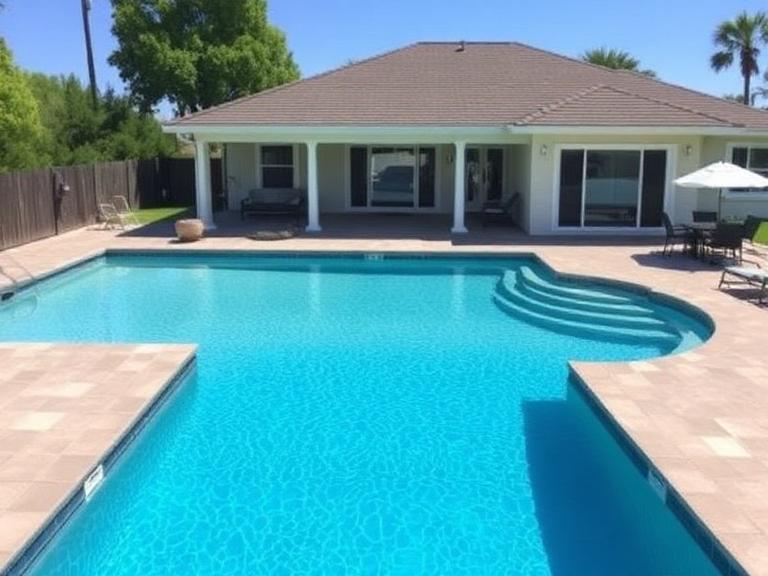
Does a Fibreglass Pool Affect Value Differently?
A fibreglass pool affects value differently because buyers often connect it with lower surface maintenance, a smooth finish, and a clean finished look. The resale effect improves when the fibreglass shell, coping, decking, equipment, fencing, and landscaping look current and well maintained. A fibreglass pool loses resale strength when the shell has visible wear, poor drainage, dated equipment, or weak backyard design. Pool-type value still depends on the full property because Canadian real-estate sources treat pool ROI as conditional rather than guaranteed.
Does a Vinyl Pool Affect Value Differently?
A vinyl pool affects value differently because buyers focus on liner age, liner condition, stair condition, wall structure, and future replacement cost. A newer vinyl liner pool with service records supports resale appeal because buyers see lower short-term repair risk. An older vinyl pool reduces confidence when the liner is faded, wrinkled, leaking, or near replacement age. Vinyl pools often cost less upfront than fibreglass or concrete pools, but resale buyers review long-term upkeep before assigning value.
Does a Concrete Pool Affect Value Differently?
A concrete pool affects value differently because it signals custom design, higher installation cost, and stronger luxury appeal when the property supports it. Concrete pools suit high-end Toronto homes that need custom shape, custom depth, integrated spas, tanning ledges, premium tile, or larger outdoor living areas. Concrete also raises buyer scrutiny because the surface needs more care. Canadian pool-type data notes that concrete pools require acid washing and resurfacing over time, with resurfacing costs affected by maintenance and water chemistry.
Does an Above-Ground Pool Affect Value Differently?
An above-ground pool affects value differently because it is easier to remove and usually adds less permanent resale value. Some buyers like the lower commitment because the pool does not lock the property into a permanent backyard layout. Other buyers view it as a temporary feature rather than part of the home’s finished design. Canadian real-estate guidance states that well-maintained inground pools add more resale value, while above-ground pools often do not add value because they are removable.
Does an Indoor Pool Affect Value Differently?
An indoor pool affects value differently because it creates a specialized luxury feature with higher operating, ventilation, humidity-control, and maintenance expectations. It fits a narrower buyer segment than an outdoor pool. An indoor pool supports value only when the home has the price tier, space, mechanical systems, and buyer demand to justify the feature. Buyers review HVAC, dehumidification, waterproof finishes, safety, maintenance records, and total carrying cost before assigning value. Canadian real-estate guidance treats pool value as buyer-dependent, which matters more for specialized features such as indoor pools.
Does a Pool Increase Buyer Appeal More Than Sale Price?
A pool often increases buyer appeal more than sale price in Toronto because it improves the way a home looks, photographs, and feels to the right buyer, but it does not guarantee a matching appraisal increase. Buyer appeal depends on lifestyle fit, outdoor design, pool condition, lot size, and neighbourhood demand. Sale price depends on comparable sales, buyer competition, and how much the market pays for pools in that area. Canadian resale sources treat pool value as conditional, not automatic.
Does a Pool Help Marketing More Than Appraisal?
A pool helps marketing more than appraisal when it makes the property look more complete, private, and lifestyle-focused. Listing photos, video tours, summer showings, and backyard staging can make a pool stand out. An appraisal is more conservative because it relies on comparable sales, property condition, lot utility, and local market evidence. Royal LePage ranked a pool lower than kitchens, bathrooms, basements, and landscaping for average resale-value impact, which shows that market value does not always match visual appeal.
Does a Pool Attract a Narrower Buyer Pool?
A pool attracts a narrower buyer pool because some buyers want private recreation, while others avoid maintenance, insurance, safety concerns, and seasonal work. RE/MAX notes that not all pools add value; some markets view pools as desirable amenities, while others view them as maintenance concerns. Toronto buyers also differ by property type. A pool fits some detached homes better than smaller properties where yard flexibility matters more.
Does a Pool Improve Lifestyle Appeal?
A pool improves lifestyle appeal when buyers want outdoor living, summer recreation, privacy, family use, and backyard entertaining. This appeal is strongest when the pool sits within a finished outdoor plan with decking, landscaping, lighting, privacy screening, safe fencing, and usable seating areas. Zoocasa reports that homes with pools may sell for around 7% more in affluent areas or markets where pools are in high demand, which supports the idea that lifestyle appeal depends on buyer demand and location.
Does a Pool Create a Premium Look for the Right Home?
A pool creates a premium look for the right home when it matches the property’s price tier, lot size, architecture, and outdoor design. A high-quality inground pool supports stronger presentation in a larger Toronto detached home with enough yard space left for dining, lounging, planting, and circulation. The same pool has weaker appeal if it dominates a small yard or looks disconnected from the home. Royal LePage rated outdoor entertaining space and landscaping above pools for average value impact, which shows that the full backyard design matters.
Does Buyer Preference Matter More Than Build Cost?
Buyer preference matters more than build cost because buyers do not pay based only on what the seller spent. Buyers judge the pool by fit, condition, usefulness, maintenance burden, and comparable homes nearby. A $100,000 CAD pool does not create a $100,000 CAD resale premium unless the market supports that value. RE/MAX Canada states that a pool may not add much future home value and gives an example where a large pool spend returned only a small resale amount. Pool ROI works best when the pool matches the buyer segment, neighbourhood, lot, and outdoor design.
How Do Pool Costs Affect Real ROI?
Pool costs affect real ROI by reducing the resale gain left after installation, maintenance, repairs, insurance, utilities, and future replacement work. A Toronto pool may improve buyer appeal in the right property, but the full ownership cost often exceeds the resale premium. Ontario pricing data places many in-ground pool projects around $50,000–$180,000+ CAD, while Canadian real-estate sources describe pool resale value as conditional, not guaranteed.
How Much Does Pool Installation Cost in Toronto?
Pool installation cost in Toronto commonly starts near $50,000 CAD for basic vinyl liner or fibreglass projects and rises above $130,000 CAD for many concrete pools. Larger projects cost more when they include difficult excavation, clay soil disposal, grading, retaining walls, limited access, decking, fencing, heating, automation, lighting, and landscaping. Toronto-specific cost data places typical vinyl liner pool installation around $55,000–$90,000 CAD, with many standard projects near $65,000–$75,000 CAD.
How Much Does Pool Maintenance Cost Per Year?
Pool maintenance cost per year in the GTA often ranges from $3,000–$7,000 CAD when chemicals, weekly service, opening, closing, minor repairs, and routine care are included. Lower annual costs fit smaller pools with owner-led maintenance and newer equipment. Higher annual costs fit larger inground pools, heated pools, older equipment, salt systems, attached spas, and weekly professional service. These annual costs reduce real ROI because buyers factor future upkeep into what they pay for a home with a pool.
How Do Repairs and Liner or Finish Costs Affect ROI?
Repairs and liner or finish costs affect ROI by adding future expenses that buyers often price into their offer. Vinyl liner pools need planned liner replacement, with Ontario pricing data placing liner replacement around $4,000–$7,000 CAD every 7–12 years. Concrete pools need more surface care over time, including crack repairs, finish renewal, tile work, and resurfacing. A pool with a new liner, newer equipment, clean coping, and service records supports stronger buyer confidence than a pool with visible wear or unclear repair history.
How Do Insurance and Utility Costs Affect ROI?
Insurance and utility costs affect ROI because they raise the long-term carrying cost of owning the home. A pool usually increases home insurance premiums due to added liability and property risk. Canadian insurance guidance estimates about $30–$75 CAD extra per month in some cases, depending on pool size, insurer, coverage, and risk controls. Utility costs also rise through heating, pump operation, water use, and seasonal equipment demand. These recurring costs reduce the net value a buyer assigns to the pool.
Does Total Ownership Cost Reduce Resale Gain?
Total ownership cost reduces resale gain because the pool’s resale premium must be compared against installation, annual maintenance, repairs, insurance, utilities, and replacement costs. A $90,000 CAD pool with $4,000 CAD in annual ownership costs needs a large resale premium to create positive financial ROI. Canadian real-estate guidance states that renovation ROI depends on local demand, investment level, and market conditions, while Ontario real-estate commentary notes that pools do not consistently increase home value. A pool usually gives the strongest return as a lifestyle feature, not as a guaranteed resale-profit upgrade.
Does a Pool Increase Appraisal Value or Sale Value?
A pool affects sale value more often than appraisal value because buyers respond to lifestyle appeal, while appraisers rely on market evidence. Appraisal value uses valuation methods such as the direct comparison approach, income approach, and cost approach. MPAC states that the valuation approach depends on property type and recent comparable sales of similar properties in the area.
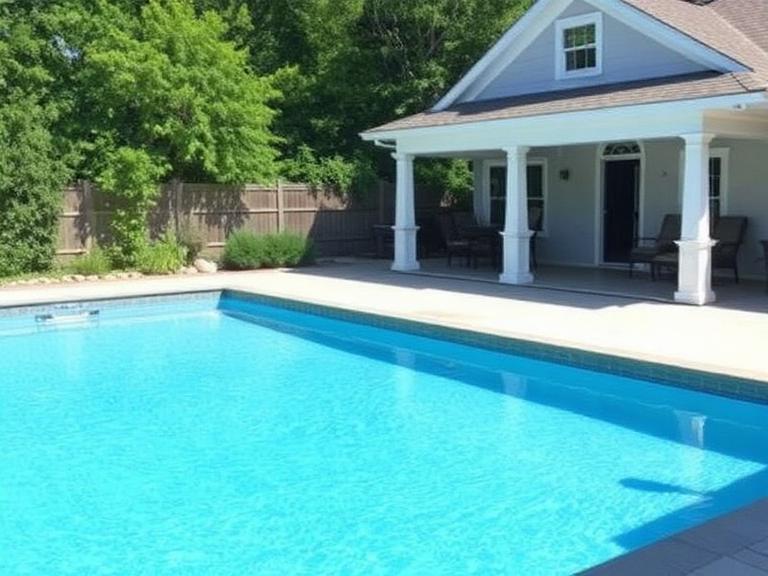
Does Appraisal Value Follow Pool Cost?
Appraisal value does not follow pool cost because an appraiser does not add the full installation price to the home value automatically. A $100,000 CAD pool needs support from comparable local sales before it affects appraised value. Royal LePage reported that pools had an average value increase of only 6%, making pools weaker than kitchens, bathrooms, finished basements, and landscaping for resale-value impact.
Does Market Value Depend on Buyer Demand?
Market value depends on buyer demand because a pool creates value only when buyers in that area want it and pay more for it. RE/MAX notes that pools are desirable in some markets and viewed as maintenance concerns in others. Toronto buyer demand changes by neighbourhood, property type, lot size, pool condition, and seasonal presentation.
Why Does a Pool Rarely Return Full Installation Cost?
A pool rarely returns full installation cost because resale value reflects buyer willingness to pay, not the seller’s construction spend. RE/MAX Canada gives an example where a homeowner spends about $100,000 on a pool and receives about $7,000 in resale return. That gap exists because buyers consider maintenance, insurance, utilities, repairs, safety, and lost yard flexibility before paying a premium.
Does Comparable Sales Data Limit Pool Premiums?
Comparable sales data limits pool premiums because appraisers compare the subject home with similar recently sold homes. A pool has stronger appraisal support when similar nearby Toronto homes with pools sell for more than similar homes without pools. A pool has weaker appraisal support when local sales show no clear premium. MPAC states that property valuation depends partly on recent comparable sales of similar properties in the area, which makes local evidence more important than installation cost.
How Do You Know if a Pool Makes Sense for Your Toronto Property?
A pool makes sense for a Toronto property when the lot, home type, neighbourhood, buyer segment, and long-term use support the cost. A pool has stronger value on a larger detached home with enough yard space, privacy, safe access, and finished outdoor design. A pool has weaker value when it removes too much usable yard, creates high upkeep concerns, or does not match local buyer expectations. Canadian real-estate sources treat pool ROI as conditional, while Toronto requires pool enclosure compliance before a pool is built and filled.
Does the Lot Support a Pool Without Losing Too Much Yard Space?
The lot supports a pool when the backyard still has enough space for seating, dining, lawn, planting, walkways, storage, equipment, and safe circulation. A pool makes less sense when it takes over the yard and removes flexible outdoor use. Toronto lots need careful planning because pool value depends on usable space around the pool, not only the pool itself. A strong layout keeps the backyard practical after fencing, setbacks, decking, drainage, and equipment placement are included.
Does the Home Fit the Buyer Segment That Wants a Pool?
The home fits the buyer segment that wants a pool when likely buyers value private recreation, summer use, family time, outdoor entertaining, and a finished backyard. A pool fits less well when the buyer segment prioritizes low maintenance, lower insurance risk, more lawn, or garden space. RE/MAX Canada reports that many Canadians renovate for personal enjoyment rather than only return on investment, which supports pool planning around real lifestyle use, not resale return alone.
Does the Neighbourhood Support Higher-End Outdoor Features?
The neighbourhood supports higher-end outdoor features when nearby homes have larger lots, finished landscaping, patios, decks, hot tubs, outdoor kitchens, or pools. A pool fits better in areas where buyers expect premium outdoor living. A pool fits poorly when most buyers in the area value simpler yards, lower upkeep, or more affordable carrying costs. Canadian resale guidance shows outdoor entertaining space and landscaping have stronger average resale impact than pools, so the full backyard design matters more than the pool alone.
Does the Planned Pool Match the Home’s Price Tier?
The planned pool matches the home’s price tier when the cost, design, materials, and finish level feel proportionate to the property. A premium concrete pool suits a higher-value detached home better than a modest property with limited yard space. A compact fibreglass pool or simpler pool design fits a mid-range home better when the layout stays balanced. Overspending creates weak ROI because buyers pay for local market value, not the full build cost. Royal LePage data places pools below kitchens, bathrooms, finished basements, and outdoor entertaining space for average value increase.
Does Long-Term Enjoyment Matter More Than Resale Gain?
Long-term enjoyment matters more than resale gain when the homeowner plans to use the pool for several years before selling. A pool adds personal value through summer recreation, privacy, family use, and outdoor entertaining. Resale value remains uncertain because some buyers want a pool and others see maintenance, safety, insurance, and space loss. A pool makes the most sense when the homeowner wants the lifestyle benefit and treats any resale premium as secondary. Canadian real-estate commentary links pool value to buyer preference and market fit rather than a guaranteed return.
Should You Install a Pool Only for Resale Value?
A pool should not be installed only for resale value because pool ROI is not guaranteed in Toronto. A pool works best when the homeowner wants long-term personal use and the property fits the right resale conditions: large lot, detached home, strong outdoor design, safe enclosure, good maintenance records, and buyer demand for pools. Royal LePage reported that a pool increased home value by an average of only 6%, making it the lowest-ranked renovation for resale value in its survey.
Is a Pool a Strong Financial Investment?
A pool is not a strong financial investment when judged only by resale return. The installation cost often exceeds the resale premium, especially when maintenance, insurance, utilities, repairs, and future replacement costs enter the calculation. RE/MAX Canada gives an example where a homeowner spends about $100,000 on a pool and receives about $7,000 in resale return, which shows the gap between build cost and sale value.
Is a Pool Better as a Lifestyle Upgrade?
A pool is better as a lifestyle upgrade because it adds private summer recreation, family use, outdoor entertaining, and backyard enjoyment. Resale value depends on buyer preference, while personal use starts as soon as the pool is built. RE/MAX notes that not all buyers value pools equally; some markets view pools as desirable amenities, while others see them as a maintenance concern.
When Does Personal Use Justify the Cost?
Personal use justifies the cost when the homeowner plans to stay long enough to benefit from the pool over several seasons. The cost makes more sense when the pool supports daily family use, fitness, relaxation, entertaining, and a stronger backyard lifestyle. It also fits better when the property has enough yard space, safe access, privacy, and a design that keeps the outdoor area functional. A pool should be judged against both use value and resale value, not resale value alone.
When Does Resale Planning Need More Caution?
Resale planning needs more caution when the property has a small lot, limited backyard space, older pool equipment, high repair needs, weak neighbourhood pool demand, or a buyer segment focused on low maintenance. It also needs caution when the planned pool cost exceeds what similar local homes with pools sell for. National and Canadian real-estate commentary shows that pools split buyer opinion, which means resale value depends on local demand rather than installation cost.
How Should You Sell a Toronto Home With a Pool?
A Toronto home with a pool sells best when the listing presents the pool as a lifestyle feature, proves safety compliance, shows maintenance records, and prices the feature conservatively. A pool attracts the right buyer when it looks clean, safe, useful, and integrated with the backyard. Toronto requires a pool enclosure fence permit on private property and requires compliance with Municipal Code Chapter 447 – Fences, so permit and safety proof matter during resale.
Should the Listing Highlight the Pool as a Lifestyle Feature?
The listing should highlight the pool as a lifestyle feature when the pool supports summer recreation, privacy, family use, outdoor entertaining, and a finished backyard experience. The listing copy should focus on usable benefits: heated inground pool, private fenced yard, poolside patio, landscaped seating area, lighting, and maintenance history. Pool value depends on buyer perception, and real-estate reporting notes that buyers respond differently to pools based on lifestyle fit and maintenance concerns.
Should the Listing Show Safety, Upgrades, and Maintenance Records?
The listing should show safety, upgrades, and maintenance records because buyers need proof that the pool is safe, compliant, and not a repair burden. Useful records include pool enclosure permit details, fence and gate condition, liner age, pump age, heater service, filter records, opening and closing invoices, water treatment records, and recent repair receipts. Toronto states that a pool enclosure fence permit is required on private property, and pool owners must follow Chapter 447 – Fences.
Should the Listing Emphasize Outdoor Living Design?
The listing should emphasize outdoor living design because buyers value the full backyard, not only the pool. Strong presentation includes decking, coping, landscaping, privacy screening, lighting, seating zones, safe walkways, and usable space beyond the pool. Canadian resale data ranks outdoor entertaining space and landscaping above pools for average resale impact, with outdoor space and landscaping cited at 10% average value increase in one Royal LePage report.
Should the Pricing Strategy Treat the Pool Conservatively?
The pricing strategy should treat the pool conservatively because a pool does not usually return its full installation cost. RE/MAX Canada states that a swimming pool does not add much future home value for many sellers and gives an example of a $100,000 pool returning about $7,000 in resale value. A stronger pricing strategy uses local comparable sales, pool condition, lot size, buyer demand, and outdoor design quality rather than installation cost.
Frequently Asked Questions About Pool Value in Toronto
Does a Pool Increase Home Value in Toronto?
A pool increases home value in Toronto only when the property matches buyer demand. The strongest fit is a detached home with a larger lot, safe fencing, strong landscaping, and a well-maintained inground pool. A pool does not guarantee a full return on installation cost because buyers also consider maintenance, insurance, utilities, repairs, and lost yard space.
Does an Inground Pool Add More Value Than an Above-Ground Pool?
An inground pool adds more value than an above-ground pool when it looks permanent, well maintained, and integrated into the backyard design. Above-ground pools usually add less resale value because they are removable and less tied to the property’s long-term design. Some buyers prefer removability, but luxury and high-value detached homes usually show stronger appeal with a finished inground pool.
Does a Pool Increase Appraisal Value?
A pool does not automatically increase appraisal value by its installation cost. Appraisers rely on comparable sales, property condition, lot utility, and local market evidence. A pool supports appraisal value only when similar nearby homes with pools sell for more than similar homes without pools. The appraised value follows market proof, not the seller’s build cost.
Does a Pool Hurt Resale Value?
A pool hurts resale value when it reduces buyer demand, takes too much yard space, needs repairs, or creates concerns about safety, upkeep, insurance, and utility costs. A poorly maintained pool can lower buyer confidence during inspection. A pool also narrows the buyer pool when the local market prefers low-maintenance yards.
What Type of Toronto Home Benefits Most From a Pool?
A luxury detached Toronto home benefits most from a pool when the property has a large backyard, privacy, strong landscaping, safe access, and enough usable space around the pool. The pool works best as part of a complete outdoor living design with decking, seating areas, lighting, privacy screening, and compliant fencing.
Is Pool ROI Better in Luxury Neighbourhoods?
Pool ROI is usually better in luxury neighbourhoods where buyers expect premium outdoor features and have higher tolerance for maintenance costs. A pool has weaker ROI in markets where buyers prioritize affordability, low upkeep, lawn space, or flexible outdoor use. Even in luxury areas, the pool’s resale effect still depends on condition, design quality, lot fit, and comparable sales.
Does a Pool Increase Insurance and Maintenance Costs?
A pool increases insurance and maintenance costs for many homeowners. Canadian insurance guidance states that installing a pool typically increases home insurance premiums, with estimates around $30–$75 CAD extra per month in some cases. Pool maintenance also adds seasonal costs for opening, closing, chemicals, cleaning, heating, repairs, and equipment replacement.
Should You Install a Pool Only to Raise Resale Value?
A pool should not be installed only to raise resale value. It works better as a lifestyle upgrade for homeowners who want private recreation, family use, outdoor entertaining, and long-term enjoyment. RE/MAX Canada gives an example where a $100,000 pool returns about $7,000 in resale value, which shows why resale-only planning needs caution.
How Do You Estimate Pool ROI Before You Build?
Pool ROI is estimated before you build by comparing the full pool build cost with the likely resale gain in the same Toronto neighbourhood. The estimate needs three checks: total project cost, buyer demand for homes with pools, and recent comparable sales. MPAC states that property valuation uses approaches such as the direct comparison approach, and that recent comparable sales of similar local properties affect valuation method selection.
How Do You Compare Build Cost With Likely Resale Gain?
Build cost compares with likely resale gain by subtracting the realistic resale premium from the full project cost. The build cost needs to include pool installation, excavation, permits, fencing, electrical work, decking, landscaping, maintenance, insurance, and future repairs. Royal LePage reported that a pool increased home value by an average of only 6%, which shows why the resale gain often sits below the full build cost.
How Do You Review Neighbourhood Buyer Demand?
Neighbourhood buyer demand is reviewed by checking whether nearby buyers already pay more for homes with inground pools, finished backyards, large lots, and outdoor living areas. Pool demand is stronger when the neighbourhood has higher-value detached homes, larger yards, privacy, and buyers who expect premium outdoor features. Pool demand is weaker when buyers value low maintenance, affordability, lawn space, or flexible backyard use. RE/MAX Canada notes that a pool may not add much future home value and that not all potential buyers want one.
How Do You Compare Similar Toronto Homes With and Without Pools?
Similar Toronto homes with and without pools compare through recent sales, not asking prices alone. The comparison should match property type, lot size, interior size, bedroom count, neighbourhood, condition, renovation level, parking, and backyard quality. A pool premium is stronger when sold homes with pools consistently achieve higher prices than similar homes without pools. A pool premium is weaker when comparable sales show no clear price difference. MPAC states that recent comparable sales of similar properties in the area help guide property valuation.