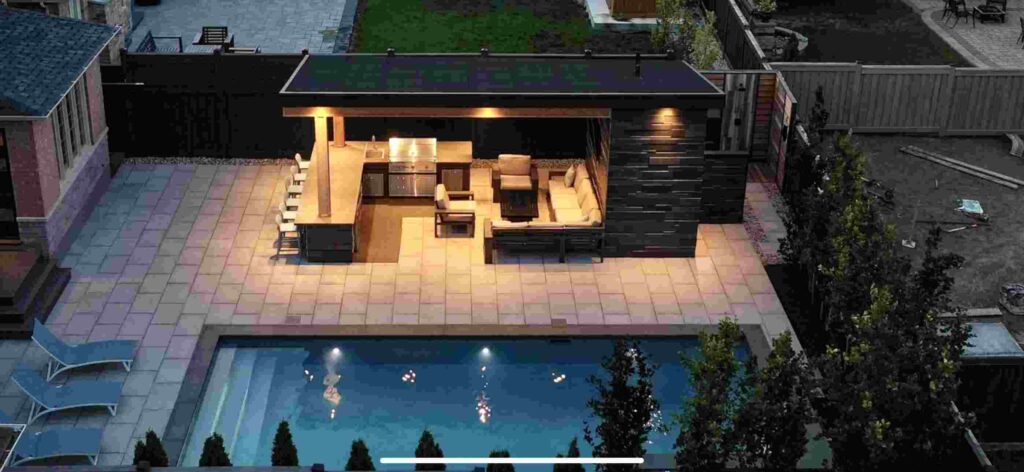
What to Know Before Installing a Pool

What to Know Before Installing a Pool: Cost, Yard Fit, Permits and Planning

Pool installation planning starts with purpose, budget, pool type, yard fit, permits, safety rules, timeline, maintenance, and builder quality. A strong pool decision starts before excavation because slope, drainage, site access, underground utilities, fencing, electrical safety, and long-term upkeep shape the full project outcome.

Homeowners need a clear reason for the pool before choosing the structure. Family recreation, fitness, relaxation, entertaining, and small-backyard use each point to different pool sizes, shapes, depths, and features. Fibreglass pools suit faster installation and lower maintenance. Vinyl liner pools suit lower upfront budgets and flexible shapes. Concrete pools suit custom designs, premium finishes, and complex layouts.

Yard conditions affect cost as much as the pool itself. Tight access, steep grades, clay soil, rock, high groundwater, tree roots, and poor drainage change excavation, base preparation, equipment placement, and landscaping. Ontario One Call says homeowners need to submit a locate request at least five business days before digging, so buried lines and cables are marked before excavation starts.

Permit and safety planning also need early review. Toronto requires a Zoning Certificate before a Pool Fence Enclosure Permit, and the city states that a pool cannot be constructed and filled with water without a compliant fence under Municipal Code Chapter 447 – Fences. Long-term ownership planning matters too, because Health Canada lists 1–3 ppm as the recommended minimum sanitizer level for residential pools. A pool plan that includes cost, yard fit, permits, builder scope, water care, and future maintenance gives homeowners a safer and clearer project from the first quote.

What Should You Know Before Installing a Pool?

Before installing a pool, homeowners need to know the pool purpose, budget, pool type, yard conditions, permit path, timeline, fencing, operating cost, and builder quality. Strong planning starts before excavation because slope, drainage, access, utilities, safety rules, and maintenance needs shape the full project outcome. The supplied outline frames this page around one clear planning path: purpose first, then pool type, budget, yard fit, permits, timeline, maintenance, and builder selection.

What Is the Short Answer Before Installing a Pool?

The short answer before installing a pool is to confirm why the pool is needed, where it fits, what it costs, and what approvals apply before requesting final quotes. The right plan checks pool use, pool size, pool shape, pool type, site access, soil conditions, underground utilities, fencing, electrical work, and long-term upkeep.

A pool project is not only a construction purchase. It is a yard design, safety, utility, and maintenance decision. Toronto requires a Zoning Certificate before a Pool Fence Enclosure Permit, and a pool cannot be constructed and filled without a compliant fence.

Why Does Early Planning Matter So Much?

Early planning matters because the most expensive pool problems often start before excavation. Poor planning leads to the wrong pool type, weak drainage, tight access, missing permits, unsafe fence timing, and unclear quote scope. These issues raise costs and delay the start date.

Yard review also protects the dig stage. Ontario One Call states that homeowners need to submit a locate request at least five business days before digging, and utility owners mark buried lines and cables on the property. Early planning gives time to handle locates, site measurements, design changes, and permit documents before the builder schedules excavation.

What Decisions Should Be Made Before You Request Quotes?

Key decisions before pool quotes include pool purpose, pool type, rough size, preferred shape, depth needs, features, budget range, fence plan, and maintenance expectations. These decisions help each builder quote the same scope instead of guessing from a loose idea.

Important decisions include:

  • Pool purpose: family use, fitness, entertaining, relaxation, or small-yard cooling
  • Pool type: fibreglass, vinyl liner, concrete, above-ground, plunge, or lap pool
  • Site needs: access, slope, drainage, soil, utilities, and sun exposure
  • Core features: steps, benches, heater, lights, cover, automation, and decking
  • Compliance: permits, fencing, electrical work, grading, and inspection responsibility

A clear decision list makes quote comparison fair because each proposal covers the same pool goal and project scope.

What Problems Start When Planning Starts Too Late?

Late planning creates problems with cost, permits, layout, construction access, and long-term use. Homeowners often discover after quoting that the yard needs extra soil removal, drainage work, retaining walls, electrical upgrades, a different fence layout, or a smaller pool size.

Late planning also affects ownership costs. Health Canada lists 1–3 ppm as the recommended minimum sanitizer level for residential pools, which shows that water care starts after installation and continues through pool ownership. A strong plan includes installation cost, operating cost, maintenance time, seasonal opening, closing, safety checks, and future repair needs before construction begins.

Why Do You Want a Pool?

Pool purpose guides every major pool installation decision, including pool type, size, shape, depth, features, deck space, budget, and long-term maintenance. A family pool needs a different layout than a fitness pool, entertaining pool, plunge pool, or compact backyard pool. The uploaded outline places pool purpose before pool type, budget, yard fit, permits, timeline, and builder selection because the reason for the pool shapes the full project plan.

Is the Pool for Family Recreation?

A family recreation pool needs safe access, clear shallow areas, open swim space, and enough deck room for movement. Common family-focused choices include wide steps, benches, non-slip surfaces, visible shallow zones, safety covers, and simple equipment controls.

Family use also affects depth and shape. A long deep pool may not suit younger swimmers or casual play. A balanced shallow-to-deep layout supports games, supervision, and mixed-age use. Fence placement, gate hardware, lighting, and sightlines need early review because safety remains central to daily family use.

Is the Pool for Fitness and Exercise?

A fitness and exercise pool needs length, straight swim space, comfortable depth, and strong circulation planning. Lap pools suit regular swimming because they use a long, narrow layout. Smaller pools may support exercise through swim jets, resistance systems, or compact workout zones.

Fitness use changes feature choices. Wide tanning ledges and irregular shapes may reduce usable swim space. A simple rectangular design often gives better lane movement, easier cover selection, and cleaner deck planning. Heating, lighting, and automatic covers also support more consistent training across cooler Canadian seasons.

Is the Pool for Relaxation and Entertaining?

A relaxation and entertaining pool needs comfort, seating, visual appeal, and easy movement between the water and patio. Useful features include built-in benches, tanning ledges, spa spillovers, deck jets, LED lighting, heaters, and larger lounge areas.

Entertaining use changes the backyard layout as much as the pool. Decking, shade, outdoor dining space, privacy screens, and landscape lighting need planning before construction. A pool built for guests also needs safe access from the house, clear walkways, and enough dry space around the pool edge.

Is the Pool for Small-Backyard Use?

A small-backyard pool needs compact dimensions, efficient equipment placement, and careful deck planning. Plunge pools, spools, narrow pools, and smaller fibreglass shells often suit tight lots because they use less space than standard inground pools.

Small yards need precise layout decisions. The design needs room for fencing, gates, equipment, service access, drainage, seating, and walkway clearance. A smaller pool still needs full planning for permits, electrical work, water care, and maintenance. Good design protects usable yard space instead of letting the pool crowd the property.

Does the Pool Purpose Change the Best Pool Type?

Pool purpose changes the best pool type because each pool structure fits a different use, budget, and design goal. Fibreglass pools suit faster installation, smooth surfaces, and lower routine maintenance. Vinyl liner pools suit lower upfront cost and flexible shapes. Concrete pools suit custom size, custom depth, and premium finishes.

Purpose also affects long-term value. A family pool needs safety and supervision-friendly design. A fitness pool needs length and consistent depth. An entertaining pool needs seating, lighting, patio flow, and visual finish. A small-yard pool needs compact structure, clean access, and efficient equipment placement.

What Pool Type Fits the Project Best?

The best pool type fits the project’s purpose, budget, yard conditions, installation timeline, maintenance plan, and long-term use. Fibreglass pools, vinyl liner pools, concrete pools, and above-ground pools each serve a different buyer need. The uploaded outline places pool type selection after pool purpose because the right structure depends on how the pool gets used, how much space the yard provides, and how much long-term work the homeowner accepts.

A clear pool type decision protects the full project budget. Fibreglass pools focus on speed and lower routine care. Vinyl liner pools focus on lower upfront cost and flexible shapes. Concrete pools focus on custom design and premium finishes. Above-ground pools focus on lower entry cost, faster setup, and less permanent yard disruption.

Is a Fibreglass Pool Best for Faster Installation?

A fibreglass pool is best for faster inground installation when the yard has suitable access for shell delivery and placement. The pool arrives as a pre-made shell, so the structure stage is shorter than a site-built concrete pool. Installation still needs excavation, base preparation, shell levelling, plumbing, backfill, coping, fencing, inspection, and startup.

Fibreglass pools also suit homeowners who want a smooth surface and lower routine maintenance. The gelcoat surface resists algae growth better than rougher pool surfaces and needs less scrubbing. Shape choice is more limited because the shell comes from fixed moulds. Yard access, crane access, shell size, and delivery route need early review.

Is a Vinyl Liner Pool Best for Lower Upfront Cost?

A vinyl liner pool is best for lower upfront inground cost when the homeowner wants shape flexibility without the higher build cost of concrete. The structure uses wall panels, braces, a shaped base, fittings, and a fitted vinyl liner. This system supports many layouts, depths, step styles, and liner patterns.

Vinyl liner pools need future liner replacement, so the lower starting price needs long-term review. Liner life depends on water balance, sun exposure, cleaning habits, sharp objects, and winter care. This pool type suits homeowners who want an inground pool with flexible design and a lower starting budget, while accepting periodic liner renewal.

Is a Concrete Pool Best for Full Customization?

A concrete pool is best for full customization because the structure is built on site. It supports custom length, width, depth, shape, steps, benches, tanning ledges, vanishing edges, attached spas, and premium interior finishes. This pool type suits complex yards, luxury designs, and homeowners who want a unique pool layout.

Concrete pools usually need a longer construction timeline and more maintenance than fibreglass or vinyl liner pools. The shell needs steel reinforcement, concrete placement, curing, waterproofing, and surface finishing. Interior finishes also need long-term care and future resurfacing. The added design freedom works best when the budget includes both installation and future upkeep.

Is an Above-Ground Pool Best for Lower Budgets?

An above-ground pool is best for lower budgets and faster seasonal use. It sits on a prepared base instead of a full inground excavation, so the starting cost is lower. Common options include steel wall pools, resin pools, round pools, oval pools, framed pools, and soft-sided seasonal pools.

Above-ground pools still need level ground, safe access, filtration, water care, electrical safety, and barrier review where local rules apply. Decks, ladders, fencing, covers, and landscaping raise the final cost. This pool type suits homeowners who want a more affordable pool without a permanent inground build.

Which Pool Type Fits the Long-Term Plan Best?

The best long-term pool type matches the homeowner’s budget, yard, maintenance tolerance, design needs, and resale plan. Fibreglass pools suit lower maintenance and faster installation. Vinyl liner pools suit lower upfront inground cost and flexible design. Concrete pools suit custom design and premium finishes. Above-ground pools suit lower budgets and simpler seasonal use.

Long-term planning needs more than the purchase price. Homeowners need to compare installation cost, maintenance cost, repair cycles, energy use, liner replacement, surface resurfacing, equipment life, winter care, and property fit. A pool type fits best when it supports daily use, passes site limits, meets permit rules, and stays affordable after installation.

What Budget Should You Plan Before Installing a Pool?

Pool budget planning should include the base pool package, site preparation, permits, fencing, electrical work, decking, features, landscaping, and long-term ownership costs. The uploaded outline places budget planning before yard fit, permits, safety, timeline, and builder selection because the true pool cost depends on more than the pool structure itself.

A realistic budget separates core installation costs from site-specific costs and optional upgrades. This helps homeowners compare quotes by full project scope, not only by the lowest starting price.

What Does the Base Pool Cost Include?

The base pool cost usually includes the main pool structure and standard installation work. A full base quote often covers site layout, excavation, pool shell or wall installation, basic plumbing, standard equipment, backfill, startup, and handover.

Base cost changes by pool type. Fibreglass pools include a factory-made shell and placement. Vinyl liner pools include wall panels, a floor base, and a liner. Concrete pools include steel reinforcement, concrete placement, curing, and surface finishing. The quote should state exactly what is included, because “base installation” often means different things between builders.

What Site Costs Are Easy to Miss?

Site costs are easy to miss because they depend on yard conditions found before or during construction. Common missed costs include extra soil hauling, tight access, rock removal, high groundwater, drainage work, retaining walls, grading correction, tree removal, utility conflicts, and equipment access limits.

These costs affect excavation and schedule. A flat yard with wide access costs less to prepare than a sloped yard with clay soil, narrow side access, and poor drainage. Homeowners should ask whether the quote includes soil disposal, dewatering, rock breaking, base material, machine access, and landscape repair.

What Feature Costs Should Be Planned Early?

Feature costs should be planned early because many upgrades affect plumbing, electrical work, equipment sizing, and construction order. Common pool features include heaters, heat pumps, LED lights, automatic covers, saltwater systems, automation, steps, benches, tanning ledges, waterfalls, deck jets, and spa spillovers.

Some features are harder to add after construction. Built-in benches, tanning ledges, lights, water features, and automatic cover tracks need early design planning. Late changes often create extra labour, new drawings, revised electrical work, and schedule delays. Early feature planning gives the homeowner a clearer finished-project budget.

What Long-Term Ownership Costs Matter Most?

Long-term ownership costs include water care, electricity, heating, cleaning, seasonal opening, winter closing, equipment service, liner replacement, surface repairs, and cover replacement. These costs continue after the pool is built, so they need space in the original budget.

Water care remains a regular cost. Health Canada lists 1–3 ppm as the recommended minimum sanitizer level for residential pools, which means owners need ongoing water testing and chemical care. Heating costs also matter in Canada because cooler nights, shoulder seasons, and longer warm-up times raise energy use. A pool cover, efficient pump, and well-planned equipment setup help control operating costs.

Why Is the Cheapest Pool Not Always the Best Value?

The cheapest pool is not always the best value because a low starting quote may exclude essential work. Missing items often include permits, fencing, electrical work, gas lines, decking, coping, drainage, soil removal, landscaping, heaters, covers, and startup support.

Better value comes from a complete scope, durable materials, clear responsibilities, and lower long-term repair risk. A higher quote may cost less over time when it includes proper excavation, drainage, equipment setup, electrical coordination, fencing support, and written exclusions. Homeowners should compare the full installed cost, not only the base pool price.

Is Your Yard Ready for a Pool?

Your yard is ready for a pool when the site has enough space, safe access, stable ground, clear utility locates, proper drainage, workable sunlight, and room for fencing, decking, and equipment. Yard readiness affects pool size, pool type, excavation cost, permit drawings, construction timing, and long-term use. The uploaded outline places yard fit after budget planning because site conditions often change the true cost before construction starts.

Does Yard Slope Change the Project?

Yard slope changes the project when the pool area needs grading, retaining walls, drainage control, raised decking, or extra structural support. A flat yard usually gives easier excavation, simpler base preparation, and cleaner patio alignment. A sloped yard often needs more planning before the pool layout is approved.

Slope also affects permit drawings. Mississauga requires a pool site plan with lot grading, including current lot grades, elevations, drainage, and proposed changes. A slope review helps prevent water from draining toward the house, pool deck, neighbouring lots, or low areas that hold water.

Do Underground Utilities Change the Layout?

Underground utilities change the layout when buried gas, water, hydro, telecom, drainage, or sewer lines cross the planned dig area. Utility conflicts may force the pool to shift, reduce size, change equipment placement, or add relocation work.

Utility locates need early booking. Ontario One Call states that homeowners must submit a locate request at least five business days before digging, and utility companies send locators to mark buried lines and cables. A pool layout should not move forward to excavation until the marked utility locations match the proposed dig zone.

Does Yard Access Change the Installation Plan?

Yard access changes the installation plan because excavation equipment, soil removal, pool materials, and structure delivery need a clear route. Wide access supports larger machines and faster work. Narrow access may require smaller equipment, more hand work, crane planning, extra labour, or temporary fence removal.

Access needs also change by pool type. Fibreglass pools need a delivery route for the pre-made shell. Concrete pools need room for forming, steel, concrete placement, and material staging. Vinyl liner pools need access for panels, braces, base materials, and liner installation. Poor access often raises labour cost and extends the installation timeline.

Does Soil, Rock, or Water Table Change the Cost?

Soil, rock, and water table conditions change the cost because they affect excavation speed, base stability, drainage, and structural support. Loose soil, clay, buried debris, rock, high groundwater, and wet soil often add machine time, dewatering, extra base material, hauling, or drainage systems.

Soil review also protects excavation safety. The Canadian Centre for Occupational Health and Safety explains that soil types may vary in one excavation and need identification before digging. Wet or unstable soil increases collapse risk, while rock removal increases labour, equipment needs, and disposal cost. Early site review gives a more accurate pool budget.

Does Available Sun and Wind Exposure Change Pool Placement?

Sun and wind exposure change pool placement because they affect water comfort, heating demand, debris, privacy, and daily use. A sunny location helps water feel warmer and makes the pool area more inviting. A windy location increases surface cooling, leaf movement, dust, and water evaporation.

Placement also needs balance. Too much shade from trees may increase debris and cleaning time. Too much exposure may reduce comfort without privacy screens, planting, or wind control. The best pool position considers sun path, prevailing wind, house views, patio connection, fence layout, equipment noise, and safe walking space around the pool.

What Size and Shape Fit the Yard Best?

The best pool size and shape fit the backyard’s usable space, pool purpose, setback rules, deck needs, access route, and maintenance plan. A good layout leaves room for fencing, gates, equipment, walkways, patio furniture, drainage, and safe movement around the water. The uploaded outline places pool size and shape after yard readiness because the final layout depends on slope, utilities, access, soil, sun, and wind exposure.

What Pool Size Fits the Backyard Best?

The best pool size fits the available yard without crowding the property. The design needs space for the pool, deck, fence, gate swing, equipment pad, service access, and drainage paths. A large pool in a small yard reduces usable patio space and makes maintenance harder.

Pool size also needs to match daily use. Family pools need enough shallow space for play and supervision. Lap pools need length for straight swimming. Plunge pools need compact dimensions for cooling, lounging, and small-yard use. A balanced size gives homeowners enough water area without removing the yard’s comfort, access, or function.

What Pool Shape Fits the Space Best?

The best pool shape matches the yard shape, house style, pool purpose, and available deck area. Rectangular pools fit modern yards, lap swimming, safety covers, and clean patio lines. Freeform pools fit softer landscape designs and curved garden layouts. Kidney-shaped pools suit relaxed yards with planting beds and informal seating zones.

Pool material also affects shape choice. Fibreglass pools come in pre-made shell shapes. Vinyl liner pools allow more shape flexibility through panel layouts. Concrete pools allow the most custom control because the shell is built on site.

What Pool Depth Fits the Main Use Best?

The best pool depth fits the main use, swimmer comfort, and safety plan. A shallow area supports children, seating, water games, and relaxed use. A deeper area supports larger swimmers and more active movement. A consistent depth suits fitness swimming and compact pools.

Depth affects more than water use. It changes excavation volume, structural design, liner fit, concrete work, heating demand, and water volume. A deeper pool holds more water and needs more energy, circulation, and chemical care. A clear depth plan protects the budget before excavation starts.

What Pool Layout Leaves Enough Deck and Walkway Space?

A good pool layout leaves enough dry space for safe walking, seating, cleaning, and service access. The plan needs open space around entry points, ladders, steps, skimmers, equipment routes, gates, and patio doors. Narrow walkways create daily use problems, even when the pool itself fits the yard.

Deck space matters for real use. Lounge chairs, outdoor dining, umbrellas, storage boxes, safety covers, and maintenance tools need room. A layout that includes pool deck, coping, fencing, drainage, and equipment access gives the backyard a complete plan, not only a water shape.

What Pool Options Fit a Small Backyard?

Small-backyard pool options include plunge pools, spools, narrow pools, compact fibreglass shells, vinyl liner pools, and small concrete pools. These options use less space while still supporting cooling, lounging, light exercise, and outdoor relaxation.

Small yards need careful feature selection. Built-in benches, corner steps, tanning ledges, compact equipment pads, automatic covers, and simple rectangular layouts save space. Large waterfalls, oversized patios, deep-end layouts, and wide freeform shapes often reduce usable yard area. A strong small-yard design keeps the pool practical, safe, and easy to maintain.

What Permits and Rules Should You Check First?

Pool permits and rules should be checked before design approval, excavation booking, and final quote approval. The main items include pool permits, pool fence or enclosure permits, setbacks, zoning, grading, drainage, electrical bonding, and inspection timing. The uploaded outline places permit checks before safety, features, timeline, and builder selection because approvals affect the pool layout, start date, fence plan, and total project cost.

Do You Need a Pool Permit?

You need a pool permit when your municipality requires approval for the pool, enclosure, grading, or site changes. Permit rules differ by city, pool type, depth, lot layout, and project scope. Some municipalities focus on the pool enclosure permit, while others also review grading, drainage, site plans, and zoning details.

A permit check should happen before the builder finalizes the layout. Missing permit steps delay excavation and create redesign costs. Mississauga requires a swimming pool site plan with lot grading, drainage, elevations, and proposed changes, plus a legal survey showing property boundaries, fencing, structures, and easements.

Do You Need a Pool Fence or Enclosure Permit?

You usually need a pool fence or enclosure permit before building and filling a pool. A pool fence controls access to the water and forms a core safety requirement in many Ontario municipalities. Fence rules often cover height, materials, gate swing, self-closing hinges, self-latching hardware, and climb-resistant design.

Toronto requires a Zoning Certificate before a Pool Fence Enclosure Permit for applications submitted after March 31, 2021. Toronto also states that a pool cannot be constructed and filled with water without a fence installed under Municipal Code Chapter 447 – Fences.

What Setback and Zoning Rules Apply?

Setback and zoning rules control where the pool, fence, equipment, deck, and related structures fit on the property. These rules may involve distances from property lines, house walls, easements, retaining walls, accessory buildings, trees, and drainage routes. Zoning review protects neighbouring properties and prevents pool placement in restricted areas.

Setbacks should be checked before choosing pool size and shape. A pool that looks suitable on a rough sketch may not fit once setbacks, fence clearance, equipment access, gate swing, and deck space are added. Toronto’s pool enclosure process requires zoning approval before the fence permit, which makes zoning a first-step item rather than a late-stage detail.

What Drainage and Grading Rules Apply?

Drainage and grading rules apply when the pool project changes yard slope, water flow, patio height, or soil levels. These rules help prevent water from draining toward the house, the pool shell, neighbouring lots, low yard areas, or public property. Drainage planning also protects the base, backfill, deck, and landscaping.

Municipal drawings often need grading details. Mississauga requires a pool site plan with current lot grades, elevations, drainage, and proposed changes. The city also requires a legal survey showing existing fencing, structures, easements, and property boundaries. A grading review should happen before excavation because slope correction, retaining walls, and drainage systems change the budget.

What Electrical and Safety Rules Apply?

Electrical and safety rules apply to pool bonding, wiring, equipment, lighting, water features, covers, and nearby conductive parts. Pool electrical work needs a licensed professional because water and electricity create serious shock risks. Electrical planning should happen before backfill, decking, and equipment installation hide service routes.

The Electrical Safety Authority states that conductive parts in and around pool water need electrical bonding to maintain the same potential and reduce shock risk. ESA guidance also refers to pool water bonding requirements under the Ontario Electrical Safety Code. Utility safety starts before excavation too. Ontario One Call says homeowners must submit a locate request at least five business days before digging so buried lines and cables can be marked.

What Safety Details Should Be Planned Before Installation?

Pool safety details need planning before installation because fencing, gates, deck surfaces, entries, covers, electrical work, and supervision zones affect the layout, permit path, and final cost. Safe design starts before excavation, not after the pool is built. The uploaded outline places safety details before features, timeline, maintenance, and builder selection because safety choices shape the full project plan.

What Fence and Gate Rules Matter Most?

Fence and gate rules focus on restricted access, secure entry, and reduced climbing risk. Toronto states that a pool fence must completely surround the pool, include only compliant gates, sit at least 1.2 metres from the pool edge, and remain at least 1 metre from easily climbable objects such as trees.

Pool gates need strong self-closing and self-latching hardware. The Lifesaving Society encourages four-sided fencing and a gate that is securely fastened, self-closing, and lockable when the pool is not in use.

What Slip-Resistant Surface Choices Matter Most?

Slip-resistant surface choices matter most around coping, steps, ladders, shallow entries, and high-traffic deck areas. Wet concrete, smooth stone, polished tile, algae, and standing water raise slip risk around pools.

Textured pool decks, cleanable surfaces, drainage-friendly materials, and proper slope reduce fall risk. The Pool & Hot Tub Alliance lists non-slip surfaces as a pool safety measure and recommends textured pool decks to reduce falls. The International Swimming Pool and Spa Code states that decks, ramps, coping, and similar step surfaces must be slip resistant and cleanable.

What Entry and Exit Features Improve Safety?

Entry and exit features improve safety when swimmers have clear, stable, and visible ways to enter and leave the pool. Useful features include wide steps, handrails, ladders, shallow ledges, benches, visible edges, and well-lit paths.

Entry planning needs to match the pool’s users. Children, older adults, pets, and guests need easy access points and clear sightlines. A deep-end-only entry, narrow ladder, or crowded deck creates harder movement around the water. Entry location also affects fence gates, deck layout, lighting, and supervision from the house or patio.

What Cover Options Improve Safety?

Pool covers improve safety when they fit securely, lock properly, and cover the full water surface. Safety covers reduce access to the water when the pool is not in use. They also reduce leaves, heat loss, and water evaporation.

A cover is not a replacement for a compliant fence. Lifesaving Society Manitoba recommends placing a cover fully over the pool, not half on or half off, and locking it in place where possible. The same guidance states that alarms are one level of protection, not a substitute for adult supervision.

What Child and Pet Safety Risks Should Be Reviewed Early?

Child and pet safety risks need early review because water access, gate gaps, climbable objects, toys, ladders, covers, and poor sightlines create preventable hazards. Health Canada states that many children drown in unsecured backyard pools and advises building a fence around the pool to help prevent drowning.

Safety planning needs multiple layers. A compliant pool fence, self-closing gate, secure cover, clear deck surface, visible entry points, locked equipment areas, and direct supervision all work together. Toys, chairs, planters, storage bins, and nearby trees need placement away from fence lines because they create climbing points near the enclosure.

What Features Should Be Decided Before Construction?

Pool features need decisions before construction because many upgrades affect the pool shell, plumbing, electrical work, equipment size, deck layout, and final budget. Early feature planning keeps the design accurate and prevents rework after excavation starts. The uploaded outline places feature decisions before timeline, maintenance, and builder selection because built-in features shape the project scope before the pool is built.

Do You Want Steps, Benches, or a Tanning Ledge?

Steps, benches, and tanning ledges need early planning because they change the pool shape, interior space, depth profile, and user comfort. These features support safer entry, seated relaxation, shallow lounging, and family use.

Fibreglass pools include steps, benches, and ledges only when they are part of the selected shell design. Vinyl liner pools need planned wall panels, liner measurements, and floor shaping. Concrete pools offer the most custom control, but the features need design approval before steel, forms, and concrete placement begin.

Do You Want Heating or a Heat Pump?

Heating or a heat pump needs early planning because it affects equipment space, energy use, plumbing routes, electrical load, and seasonal comfort. A heater or heat pump helps extend pool use during cooler Canadian mornings, evenings, and shoulder-season weeks.

Heating choice also affects the equipment pad. Gas heaters need gas-line planning and ventilation clearance. Heat pumps need electrical planning and open airflow. Solar heating needs roof or yard exposure. A pool cover also matters because uncovered water loses heat faster overnight.

Do You Want Lights, Covers, or Automation?

Lights, covers, and automation need early decisions because they affect wiring, control panels, deck layout, and equipment setup. LED pool lights need planned fixture locations and electrical routes before finishing work hides access points.

Automatic pool covers need exact pool shape, track placement, cover housing, and deck coordination. Automation systems connect pumps, heaters, lights, salt systems, and schedules through one control setup. Late decisions often create extra trenching, new wiring, added controls, or deck changes.

Do You Want Water Features or a Spa?

Water features or a spa need early planning because they change plumbing, pump sizing, electrical work, structural details, and equipment placement. Common water features include deck jets, waterfalls, spillways, bubblers, and sheer descents.

A connected spa adds more design complexity. It needs heating capacity, jet plumbing, seating, circulation planning, and safe access. Water features also affect sound, splash, wind movement, water loss, and maintenance. The design needs enough equipment capacity before construction starts.

What Features Are Harder to Add Later?

Built-in pool features are harder to add later when they sit inside the structure, under the deck, or inside the plumbing and electrical system. Harder late additions include tanning ledges, built-in benches, spa spillovers, LED lights, automatic cover tracks, waterfalls, deck jets, and extra return lines.

Late feature changes often require cutting concrete, lifting deck sections, adding plumbing trenches, revising wiring, or changing equipment. Early decisions keep the quote cleaner and the build smoother. A complete feature list before construction gives the homeowner a more accurate finished-project cost.

How Long Does Pool Installation Take?

Pool installation usually takes several weeks to several months from design to handover, depending on pool type, permit timing, yard conditions, builder schedule, and finishing scope. The uploaded outline places timeline planning after features because design choices, permits, excavation, fencing, and landscaping all affect the final schedule.

How Long Does Design and Planning Take?

Design and planning usually takes the first part of the pool timeline. This stage includes pool purpose, pool type, size, shape, depth, features, budget, site review, and quote approval.

A simple backyard pool needs less design time than a custom layout with a spa, water features, retaining walls, or large patio areas. Clear decisions at this stage reduce later changes and keep excavation, permits, and material orders aligned.

How Long Do Permits Take?

Permits depend on the municipality, drawing quality, zoning review, fence details, grading notes, and application completeness. Missing documents delay approval and push back excavation.

Toronto requires a Zoning Certificate before a Pool Fence Enclosure Permit for applications submitted after March 31, 2021. The city also states that a pool cannot be constructed and filled with water without a compliant fence under Municipal Code Chapter 447 – Fences.

How Long Does Construction Take by Pool Type?

Construction time changes by pool type. Fibreglass pools usually have the shortest structure stage because the shell arrives pre-made. Vinyl liner pools need wall panel assembly, floor shaping, liner fitting, plumbing, and backfill. Concrete pools usually take longer because they need steel reinforcement, concrete placement, curing, waterproofing, and interior finishing.

Timeline also depends on access, weather, trades, inspections, and finish work. Industry planning guidance has reported pool building at four to six weeks for some projects, while permitting may take two to three months in some areas.

What Delays the Build Most?

The most common build delays come from incomplete permits, late utility locates, poor access, bad weather, wet soil, rock excavation, high groundwater, trade scheduling, design changes, and missing materials.

Utility timing matters before digging. Ontario One Call states that homeowners need to submit a locate request at least five business days before digging, and buried infrastructure owners mark underground lines and cables on the property.

Why Should Landscaping Time Be Planned Separately?

Landscaping time needs separate planning because pool construction and finished backyard work are not the same stage. Pool installation focuses on the structure, plumbing, electrical work, backfill, coping, fencing, inspection, and startup. Landscaping focuses on grading, sod, planting, walkways, retaining walls, privacy screens, lighting, and final yard repair.

Separate landscaping time gives the project a more realistic finish date. Heavy equipment, soil piles, deck curing, fence installation, and drainage work often need completion before planting, turf, and soft landscaping start.

What Maintenance Should You Expect After Installation?

Pool maintenance after installation includes cleaning, water testing, chemical balancing, equipment care, seasonal opening, winter closing, and future repairs. The uploaded outline places maintenance planning before installation timing and builder selection because ownership cost continues after the pool is built.

How Much Cleaning Does the Pool Need?

Pool cleaning usually includes skimming, brushing, vacuuming, basket emptying, filter cleaning, and debris removal. Outdoor pools need more cleaning after storms, heavy use, pollen, leaves, and windy weather.

Cleaning needs change by pool type and surface. Fibreglass pools have smooth gelcoat surfaces that need less brushing. Vinyl liner pools need gentle cleaning to protect the liner. Concrete pools often need more brushing because textured surfaces collect more algae and scale.

How Much Water Testing and Chemical Care Does the Pool Need?

Water testing and chemical care need regular attention because sanitizer, pH, alkalinity, calcium hardness, and stabilizer affect swimmer comfort, equipment life, and water clarity. Health Canada lists 1–3 ppm as the recommended minimum sanitizer level for residential pools, including inflatable pools.

Chemical care includes checking free chlorine or bromine, pH, total alkalinity, calcium hardness, and salt level where a salt chlorine generator is installed. Poor water balance leads to algae, staining, scale, corrosion, cloudy water, and surface wear.

How Much Heating and Equipment Cost Should You Expect?

Heating and equipment cost depends on pool size, water temperature target, pump type, heater type, cover use, sunlight, wind exposure, and season length. A larger pool needs more energy because it holds more water and loses more heat.

Equipment choice affects power use. Natural Resources Canada states that ENERGY STAR certified inground pool pumps use up to 65% less energy, on average, than standard models. Certified above-ground pool pumps use up to 18% less energy, on average.

What Seasonal Opening and Closing Work Is Needed?

Seasonal opening and closing prepare the pool for warm-weather use and cold-weather protection. Opening usually includes cover removal, cleaning, equipment reconnection, water testing, chemical balancing, and system checks.

Closing usually includes cleaning, water balancing, lowering water where needed, draining equipment, winterizing plumbing, adding a winter cover, and protecting the pump, filter, heater, and lines from freeze damage. Canadian pools need careful winter closing because freezing water damages plumbing, fittings, equipment, and pool surfaces.

What Repair and Replacement Costs Matter Over Time?

Repair and replacement costs include pump service, filter parts, heater repairs, liner replacement, concrete resurfacing, cover replacement, light repairs, automation service, and plumbing leak repair. These costs vary by pool type, equipment quality, water balance, winter care, and usage level.

Vinyl liner pools need future liner replacement. Concrete pools need future surface renewal. Fibreglass pools need gelcoat care and occasional surface repair. A realistic maintenance plan includes routine care plus a reserve for equipment and surface renewal over the pool’s full life.

When Is the Best Time to Install a Pool?

The best time to install a pool depends on design readiness, permit timing, builder availability, ground conditions, and the target swim season. Winter planning, spring approvals, summer construction, and fall installation all work differently. The uploaded outline places installation timing after maintenance planning because seasonal conditions affect design, permits, excavation, landscaping, and long-term use.

Is Spring the Best Time to Start?

Spring is a strong time to start when the homeowner wants the pool ready for summer. Spring works best when design, quotes, permits, utility locates, and builder scheduling are already underway before the busy season starts.

Spring projects need early action. Permit review, fence planning, excavation booking, material orders, and trade scheduling create pressure once demand rises. Toronto requires a Zoning Certificate before a Pool Fence Enclosure Permit, so late permit planning delays the construction start.

Is Fall Better for Scheduling and Yard Access?

Fall is often better for scheduling, builder availability, and yard access after peak summer demand slows. Cooler working conditions may help crews complete excavation, structural work, coping, and rough landscaping with less pressure from summer use expectations.

Fall installation also gives homeowners more time to finish landscaping before the next swim season. The main planning risk is weather. Wet soil, early frost, and shorter daylight affect excavation, concrete work, grading, and planting. Environment and Climate Change Canada climate normals summarize average local climate conditions, so local weather data belongs in the schedule review before excavation starts.

Does Winter Planning Help the Timeline?

Winter planning helps the timeline because it gives homeowners time to define the pool purpose, compare pool types, approve the budget, complete the site plan, prepare permit documents, and book the builder before spring demand increases.

Winter is also useful for decisions that delay projects later. These include pool size, pool shape, depth, fencing, decking, heating, lighting, automation, covers, and landscaping. Early planning also supports permit sequencing. Toronto requires zoning approval before the pool fence permit, so winter document preparation reduces spring delays.

How Does Climate Change the Best Installation Season?

Climate changes the best installation season by affecting frost, rain, soil stability, groundwater, concrete work, landscaping, and pool startup. Milder areas often support longer construction windows. Colder regions need tighter scheduling around thawed ground, dry excavation conditions, and winter closing deadlines.

Climate trends also matter for long-term planning. Environment and Climate Change Canada reports that Canada’s seasonal average temperatures increased from 1948 to 2024, including 2.1°C in spring, 2.1°C in summer, 2.4°C in autumn, and 3.7°C in winter. Longer warm periods may increase pool demand, but heavy rain, heat, and unstable weather still affect excavation, drainage, and landscaping schedules.

What Should You Ask Before Hiring a Pool Builder?

Before hiring a pool builder, ask about pool-type experience, process clarity, permits, site issues, past projects, reviews, quote scope, exclusions, insurance, and written contract terms. The uploaded outline places builder selection after purpose, pool type, budget, yard fit, permits, safety, features, timeline, and maintenance because the builder needs to manage the full project path, not only the pool structure.

Does the Builder Specialize in Your Pool Type?

The builder should specialize in your chosen pool type because fibreglass pools, vinyl liner pools, concrete pools, and above-ground pools use different installation methods. A fibreglass pool builder needs shell delivery, levelling, staged backfill, and crane or machine access experience. A vinyl liner pool builder needs panel layout, floor shaping, liner fitting, and fitting-seal knowledge. A concrete pool builder needs steel, shotcrete or gunite, curing, waterproofing, and surface finishing experience.

Ask for recent projects that match your pool type, yard size, access limits, and feature list. Matching experience reduces errors during excavation, structure placement, plumbing, backfill, and finishing.

Does the Builder Explain the Process Clearly?

The builder should explain the process clearly from consultation to handover. A clear process covers site review, design, permits, utility locates, excavation, plumbing, electrical work, backfill, coping, decking, fencing, inspection, startup, and maintenance guidance.

Clear communication also protects the budget. Ontario says home renovation contracts worth more than $50 must be in writing, and a written estimate included in the contract limits the final cost to no more than 10% above the estimate unless the homeowner agrees to new work or a new price.

Does the Builder Handle Permits and Site Issues?

The builder should state who handles permits and site issues before the contract is signed. Pool projects often need permit drawings, fence details, grading notes, electrical coordination, utility locates, inspections, and site corrections. The quote should identify whether the builder, homeowner, fence contractor, electrician, or engineer handles each task.

Ask how the builder deals with slope, drainage, poor access, rock, groundwater, buried debris, underground utilities, retaining walls, and grading changes. Permit and site responsibilities need written ownership because unclear responsibility delays excavation, inspection, fencing, and startup.

Does the Builder Show Past Projects and Reviews?

The builder should show past projects and recent reviews that match your pool type and project scale. Useful proof includes completed pool photos, local project examples, client references, warranty history, and reviews that mention communication, timing, cleanup, problem-solving, and aftercare.

Ask for references from homeowners who completed similar work within the last 12–24 months. Consumer guidance from the Canadian Consumer Handbook recommends asking questions before hiring, using a written contract, and asking for proof of workers’ compensation or private liability insurance.

Does the Quote Show Full Scope and Exclusions Clearly?

The quote should show full scope and exclusions clearly so every required item is included, excluded, or listed as an allowance. A complete pool quote names excavation, soil hauling, pool structure, plumbing, electrical work, equipment, backfill, coping, decking, fencing, permits, inspections, startup, cleanup, and warranty terms.

The quote should also list exclusions such as rock removal, dewatering, retaining walls, grading repairs, extra concrete, landscape repairs, gas lines, electrical panel upgrades, premium coping, larger patios, heaters, covers, and automation. Clear exclusions make quote comparison fair and reduce surprise costs after construction starts.

What Mistakes Should You Avoid Before Installing a Pool?

The biggest mistakes before installing a pool are underestimating full cost, ignoring yard conditions, choosing the pool type too early, missing permit timing, and comparing quotes by price alone. The uploaded outline places mistake prevention near the end because these issues connect every earlier decision: pool purpose, budget, yard fit, permits, features, maintenance, and builder selection.

Do Buyers Underestimate Full Project Cost?

Buyers often underestimate full project cost when they focus only on the base pool price. A real pool budget includes excavation, soil hauling, plumbing, electrical work, fencing, decking, coping, permits, drainage, landscaping, heating, covers, and startup.

Written scope matters. Ontario states that home renovation contracts worth more than $50 must be in writing. A written estimate in the contract limits the final cost to no more than 10% above the estimate, unless the homeowner agrees to new work or a new price.

Do Buyers Ignore Yard Access and Drainage Too Late?

Buyers often ignore yard access and drainage too late when they approve a pool before checking machine access, soil movement, slope, water flow, and equipment routes. Tight access raises labour time. Poor drainage affects excavation, backfill, deck base, and landscaping.

Utility timing also matters before digging. Ontario One Call says homeowners need to submit a locate request at least five business days before digging. Utility companies then mark buried lines and cables on the property.

Do Buyers Choose Pool Type Before Defining Pool Purpose?

Buyers often choose pool type too early when they compare fibreglass, vinyl liner, concrete, and above-ground pools before defining the main use. A family pool needs safe shallow zones and open play space. A fitness pool needs length and clean swim lines. An entertaining pool needs seating, lighting, patio flow, and deck space.

Purpose keeps the decision practical. Fibreglass pools suit faster installation and lower routine care. Vinyl liner pools suit lower upfront cost and shape flexibility. Concrete pools suit custom depth, custom shape, and premium finishes.

Do Buyers Miss Fence and Permit Timing?

Buyers often miss fence and permit timing when they schedule excavation before zoning, enclosure, and safety rules are confirmed. Permit delays push back digging, fencing, filling, inspection, and handover.

Toronto requires a Zoning Certificate before a Pool Fence Enclosure Permit for applications submitted after March 31, 2021. The city states that a pool cannot be constructed and filled with water without a fence installed under Municipal Code Chapter 447 – Fences.

Do Buyers Compare Quotes Without Comparing Full Scope?

Buyers often compare quotes without comparing full scope when they choose the lowest price before checking inclusions, exclusions, allowances, and trade responsibilities. Two quotes only compare fairly when they include the same pool structure, excavation, soil removal, plumbing, electrical work, fencing, decking, permits, equipment, startup, and cleanup.

A full-scope comparison separates real value from missing work. The better quote states who handles permits, utility locates, electrical work, fence inspection, soil disposal, drainage, grading, landscaping repairs, warranty documents, and first-use instructions.

FAQs About Installing a Pool

What Should You Know Before Installing a Pool?

Homeowners need to know the pool purpose, budget, pool type, yard fit, permit path, timeline, fencing, maintenance needs, and builder quality before installing a pool. These planning points shape the full project before excavation starts.

What Pool Type Is Best for Your Home?

The best pool type depends on use, budget, yard access, design goals, and maintenance plans. Fibreglass pools suit faster installation. Vinyl liner pools suit lower upfront cost. Concrete pools suit custom design.

How Much Does a Pool Really Cost?

A pool really costs more than the base pool package. The full cost includes excavation, permits, fencing, electrical work, plumbing, decking, coping, landscaping, features, and long-term maintenance.

Does Your Yard Need Special Prep?

Your yard needs special prep when slope, drainage, access, soil, rock, tree roots, groundwater, or underground utilities affect the pool layout. A site review confirms these issues before final design.

What Permits Do You Need?

Pool permits depend on local rules, pool type, fence layout, grading, drainage, and electrical work. Most projects need review for pool fencing, setbacks, zoning, and safety compliance.

How Long Does Pool Installation Take?

Pool installation takes several weeks to several months, depending on design, permits, pool type, weather, builder schedule, site access, and finishing work. Concrete pools usually take longer than fibreglass pools.

What Maintenance Does a Pool Need?

Pool maintenance includes skimming, brushing, vacuuming, filter cleaning, water testing, chemical balancing, equipment care, seasonal opening, winter closing, and future repairs.

How Do You Choose the Right Pool Builder?

Choose a pool builder by checking pool-type experience, clear process explanations, permit support, site problem handling, past projects, reviews, written scope, exclusions, warranty terms, and aftercare support.

How Do You Start Planning a Pool Project Properly?

Pool project planning starts with purpose, yard review, realistic budgeting, pool type comparison, and full-scope quote review. A proper plan confirms why the pool is needed, where it fits, what approvals apply, what the full project costs, and which builder manages each stage. The uploaded outline closes the page with this planning order because pool purpose, yard fit, budget, pool type, and quote scope prevent most installation mistakes before excavation starts.

How Do You Define the Pool Purpose First?

Define the pool purpose first by deciding whether the pool is for family recreation, fitness, relaxation, entertaining, or small-backyard use. Purpose guides pool size, shape, depth, features, deck space, heating, and long-term maintenance.

A family pool needs shallow areas, safe entry points, and clear sightlines. A fitness pool needs length, consistent depth, and straight swim space. An entertaining pool needs seating, lighting, patio flow, and lounge space. A compact yard needs a plunge pool, narrow pool, or small fibreglass shell that leaves room for fencing, equipment, and walkways.

How Do You Check the Yard Before Design Starts?

Check the yard before design starts by reviewing space, slope, access, drainage, soil, utilities, sun exposure, wind, fencing, and equipment placement. Yard conditions decide what pool size fits and what extra work the project needs.

A proper yard check includes property lines, setbacks, tree roots, overhead wires, underground utilities, machine access, soil type, and water movement after rain. Tight access raises labour time. Poor drainage adds grading or drainage work. Rock, clay, high groundwater, and sloped yards change excavation cost and construction planning.

How Do You Build a Real Budget?

Build a real budget by adding the base pool price, site work, permits, fencing, electrical work, decking, features, landscaping, and ownership costs. A real pool budget covers the full finished project, not only the pool shell or structure.

Core costs include excavation, pool structure, plumbing, equipment, backfill, startup, and handover. Extra costs often include soil hauling, rock removal, retaining walls, grading, decking, coping, fencing, heaters, covers, automation, landscaping, and seasonal maintenance. A clear budget also includes future costs such as water testing, chemicals, energy use, opening, closing, repairs, and replacement parts.

How Do You Compare Pool Types and Quotes Properly?

Compare pool types and quotes properly by matching each option to the same purpose, yard conditions, feature list, and full project scope. Fibreglass pools suit faster installation and lower routine maintenance. Vinyl liner pools suit lower upfront inground cost and flexible shapes. Concrete pools suit custom designs, custom depths, and premium finishes. Above-ground pools suit lower budgets and simpler seasonal use.

Quote comparison needs more than the final price. Each quote needs the same line items for design, permits, excavation, soil removal, plumbing, electrical work, fencing, decking, coping, equipment, startup, cleanup, warranties, and exclusions. A strong quote shows what is included, what is excluded, who handles each trade, and what costs change when site conditions change.

Scroll to Top

    Your Name *

    Email Address *

    Preferred method of communication*

    Enter you phone number *

    Your address*

    Your demands and expectations