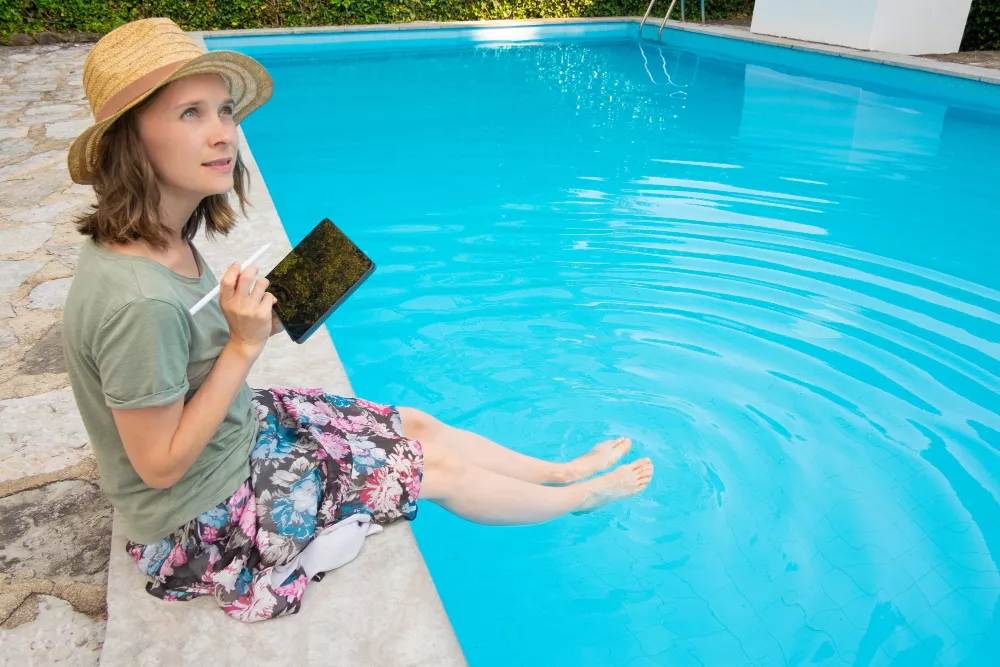
Vinyl pool installation in Toronto is the process of planning, designing, and building an inground vinyl liner pool through site review, excavation, wall installation, base preparation, plumbing, electrical work, liner fitting, coping, decking, fencing, and startup. The full scope covers the structural, mechanical, and finishing work required to create a safe, functional, and durable swimming pool that fits the property and the planned use.
The right vinyl pool depends on budget, pool size, yard layout, site access, soil conditions, feature selection, and Toronto permit and bylaw requirements. A vinyl liner pool is often selected for its lower upfront cost, custom shape flexibility, smooth liner surface, and faster installation than many concrete pools.
A complete Toronto vinyl pool installation plan addresses cost, design, construction process, permit compliance, and long-term liner life from the start. Strong planning improves site fit, controls project cost, and prepares for future liner replacement and ongoing pool maintenance.
What Is Vinyl Pool Installation in Toronto?
Vinyl pool installation in Toronto is the full construction of an inground pool that uses a custom vinyl liner over a framed wall system and a trowelled base. Toronto pool build sequences follow a similar order: site assessment, design, excavation, wall panel assembly, footing or collar work, plumbing, base preparation, liner fitting, equipment hookup, patio or deck work, fencing, and startup. Current Toronto market pages place entry pricing near CAD 50,000, with many standard projects in the CAD 55,000 to 90,000 range before major upgrades. Toronto projects also require a Zoning Certificate, a Pool Fence Enclosure Permit, and a separate ESA electrical notification for the electrical work.
What Is a Vinyl Liner Pool?
A vinyl liner pool is an inground pool with a custom-cut waterproof vinyl membrane that covers the floor and walls as the finished interior surface. The liner does not carry the structural load. The wall panels and base support the pool, while the liner seals the interior and creates the smooth swimming surface. Toronto and Ontario market pages treat liner replacement as the main long-term ownership cycle, with many liners lasting about 7 to 12 years. Standard contracts often start with a 20 mil liner, while 27 mil and thicker options sit in the upgrade tier.
What Parts Form a Vinyl Pool System?
A vinyl pool system includes the excavated shell, wall panels, structural braces, concrete collar or footing, trowelled base, custom liner, skimmers, returns, main drains, plumbing lines, pump, filter, heater, coping, deck edge, steps or benches, lights, fence, and startup equipment. Toronto installation pages repeat the same core build stages: excavation, wall assembly, perimeter structure, plumbing, base work, liner installation, patio or deck finishing, and water startup.
What Walls, Base, and Liner Materials Are Used?
Toronto vinyl pools use steel, polymer, or aluminum wall panels. Galvanized steel walls serve projects that need strength and shape flexibility. Polymer walls suit homeowners who want a corrosion-resistant structure, especially for saltwater systems. Pool bases usually use vermiculite and cement or grout-style mixes trowelled smooth across the floor. Liner options usually begin at 20 mil, while 27 to 30 mil products sit in the thicker premium range for added durability and upgraded patterns.
Why Do Toronto Homeowners Choose Vinyl Pools?
Toronto homeowners choose vinyl pools for lower entry pricing, custom shape freedom, a smooth surface, and a shorter core installation timeline than many concrete pools. Current Toronto market pages place vinyl at the more affordable end of the inground pool category, with many projects starting near CAD 50,000 and many core installs finishing in about 3 to 6 weeks under normal site conditions. The vinyl surface feels softer underfoot than rougher finishes, and the panel system supports rectangles, kidneys, L-shapes, and other custom layouts that do not rely on a one-piece shell. Long-term planning still includes liner replacement, since that replacement cycle remains one of the main ownership costs.
Why Is a Vinyl Pool a Good Fit for Toronto?
A vinyl pool fits many Toronto properties because it combines lower entry cost, custom design freedom, a smooth liner surface, and a shorter build schedule than many concrete pools. Toronto pool-market pages place many vinyl liner pool projects around CAD 50,000 to 90,000, while published fibreglass pool ranges sit around CAD 50,000 to 110,000 and many concrete pool ranges start higher and extend far above that level. Toronto approval rules add a Zoning Certificate, a Pool Fence Enclosure Permit, and ESA electrical compliance to the planning stage, so material choice matters when budget, schedule, and yard layout are set early.
Is a Vinyl Pool More Affordable Than Other Inground Pools?
Yes. A vinyl pool sits at the lower end of the inground pool price range in the current Toronto market. Published local and Ontario pages place many vinyl liner pools at about CAD 50,000 to 90,000. Comparable published ranges place many fibreglass pools at about CAD 50,000 to 110,000 and many concrete pools at about CAD 80,000 to 250,000 depending on scope, finish, and site complexity. The lower entry price is one of the main reasons homeowners choose vinyl. Long-term budgeting still includes liner replacement, which remains a core ownership cost.
Is a Vinyl Pool More Flexible in Shape and Size?
Yes. A vinyl pool offers more shape and size flexibility than a one-piece fibreglass pool shell because the pool is built on site. Toronto and Ontario market pages describe vinyl liner pools as highly customizable for rectangular, kidney, freeform, L-shape, narrow-lot, and other site-specific layouts. One-piece fibreglass pools come in factory-made models with fixed dimensions, while vinyl design adjusts to the yard plan, depth profile, and feature layout during the build stage.
Is a Vinyl Pool Faster to Install?
Yes, relative to many concrete pools. Current Toronto installer pages place many vinyl pool builds at about 3 to 6 weeks for the core installation, while published concrete pool timelines stretch to about 6 to 12 weeks or 3 to 5 months. Fibreglass pools still lead on speed in many cases because a factory shell arrives ready to set, with some published timelines near 1 to 2 weeks. The practical Toronto comparison is clear: vinyl installs faster than many concrete builds and slower than many fibreglass installs.
Is a Vinyl Pool Better for Small or Irregular Yards?
Yes. A vinyl pool suits small yards, narrow side access, and irregular lot shapes because the design is not restricted to a pre-moulded shell. Toronto-area pages describe freeform and custom vinyl layouts as a strong fit for compact and awkward backyards. Irregular curves, tighter widths, and custom dimensions help the pool fit around patios, setbacks, and landscape features with less design compromise than a fixed-shape shell.
Is a Vinyl Liner Surface Smoother and More Comfortable?
Yes. A vinyl liner creates a smooth, non-abrasive swimming surface that feels softer on feet, skin, and swimwear than rougher hard-finish interiors. Market pages and liner manufacturers repeatedly describe the vinyl liner surface as gentle underfoot and comfortable for daily use. That softer finish is one of the clearest user-experience advantages of a vinyl pool.
How Much Does Vinyl Pool Installation Cost in Toronto?
Vinyl pool installation in Toronto starts near CAD 50,000 on current Toronto builder pages. Published steel-vinyl ranges cluster around CAD 55,000 to 100,000, while broader Ontario vinyl liner pool guides place simple installs near CAD 40,000 to 80,000 and larger custom projects above CAD 100,000. Full budgets rise when the project includes premium decking, major grading, difficult access, advanced equipment, and full landscaping.
What Is the Average Vinyl Pool Cost in Toronto?
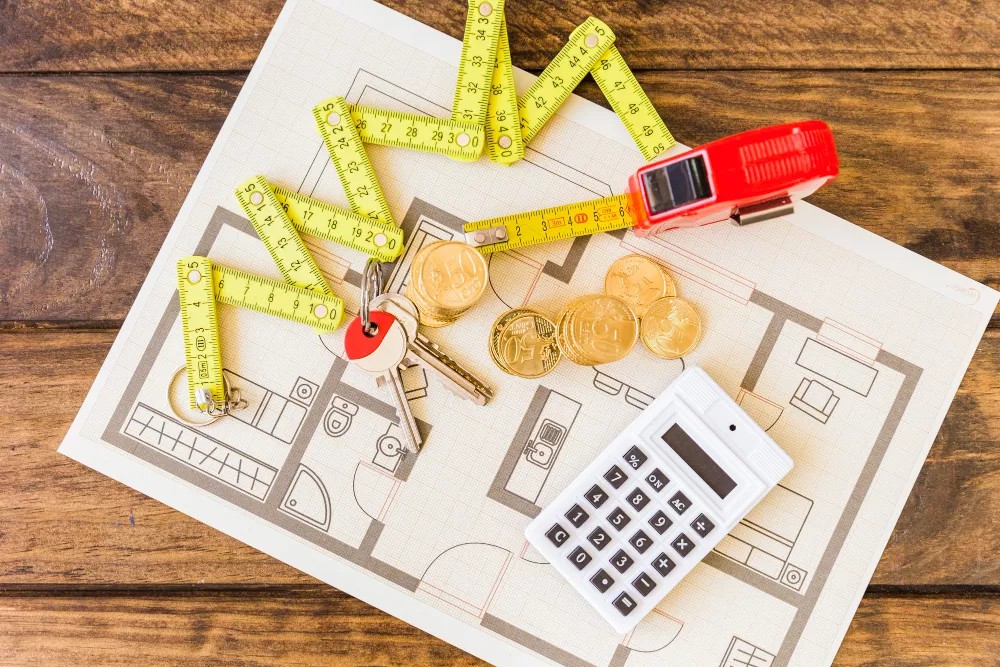
Published Toronto and Ontario pricing places a standard vinyl liner pool near CAD 50,000 to 100,000. Entry pricing sits near CAD 50,000. Mid-range steel-vinyl projects sit near CAD 55,000 to 100,000. Large custom projects with upgraded hardscaping and added features move beyond CAD 100,000.
What Changes the Final Vinyl Pool Price?
Pool size, shape, depth, yard access, soil conditions, rock excavation, grading, electrical requirements, permits, decking, fencing, and added features drive the final price. Toronto and Ontario builder pages repeat the same cost drivers across estimates: harder excavation, tight access, larger pools, deeper hoppers, and more finish work push the total upward.
How Much Do Steps, Heating, Lighting, and Water Features Add?
Basic inground pool steps start around CAD 600 to 1,400 at retail, while larger molded or wedding-cake style step units reach about CAD 3,500 before installation. Current Ontario upgrade guides place pool heaters near CAD 4,000 to 8,000, LED pool lighting near CAD 2,000 to 6,000, and water features near CAD 5,000 to 20,000+. Price rises when the feature changes the liner layout, plumbing, electrical work, or structural detailing.
How Much Do Decking, Landscaping, and Fencing Add?
Interlock pool decking in Ontario sits near CAD 17 to 35 per sq. ft., while Toronto deck structures run near CAD 40 to 160+ per sq. ft. depending on material and build complexity. Toronto and Ontario landscaping guides place backyard landscaping from about CAD 5,000 into the CAD 25,000+ range, with larger luxury work extending far higher. Toronto also requires a full pool enclosure, so fencing is a mandatory line item. Published Canadian pricing places aluminum pool fencing near CAD 45 to 85 per linear foot, or about CAD 2,700 to 5,100 for a 60-foot perimeter, while glass fencing sits much higher.
How Much Does Vinyl Liner Replacement Cost?
Published Canadian liner-replacement guides place vinyl liner replacement near CAD 4,500 to 8,000 for a standard inground pool. Larger pools, custom shapes, thicker liners, built-in steps or benches, water delivery, and floor or wall repairs push the price higher. Published Ontario pool guides also place the replacement cycle near 7 to 10 years, which makes liner renewal the main long-term ownership cost in a vinyl liner pool.
What Design Options Can a Vinyl Pool Use?
A vinyl pool supports broad design freedom in Toronto because the pool is built on site rather than delivered as a fixed one-piece shell. Toronto and Ontario builder pages repeat the same design pattern: custom shape, custom size, broad liner pattern selection, optional steps, benches, tanning ledges, lighting, water features, and coordinated decking and landscaping around the pool.
What Shapes Can a Vinyl Pool Use?
A vinyl pool uses standard and custom shapes. Current Toronto and Canadian market pages show rectangle, Roman, oval, Grecian, kidney, lagoon, Lazy L, crescent, and other custom shapes as common options. Toronto builders also position vinyl as a strong fit for narrow or irregular backyards because the layout adjusts to the lot rather than to a factory mould.
What Sizes Fit a Toronto Backyard?
Many Toronto backyards fit 12 x 24 ft, 14 x 28 ft, and 16 x 32 ft pool layouts. Larger suburban lots often fit 18 x 36 ft or 20 x 40 ft designs, while tighter urban yards use smaller custom footprints. Toronto builder pages describe vinyl pools as suitable for both small pools and large pools, with size set by lot width, setbacks, access, and the amount of patio or green space the homeowner wants to keep.
What Liner Patterns and Colours Can You Choose?
A vinyl liner uses a wide range of patterns and colours. Toronto and Canadian liner pages highlight mosaic tile, pebble, geometric, and tile band patterns, with common colour families such as blue, grey, tan, green, and white. Canadian liner suppliers also promote large catalogues with many named patterns, which makes the liner one of the main visual design choices in a vinyl pool project.
What Steps, Benches and Tanning Ledges Can You Add?
A vinyl pool supports built-in steps, drop-in steps, benches, and tanning ledges. North American and Toronto market pages describe two main step categories for vinyl liner pools: vinyl-over steps and molded steps. Those systems support entry stairs, lounge benches, and shallow sun shelf layouts. Tanning ledges also work with vinyl pools through pre-engineered or custom vinyl-finished designs, and many builders treat them as a premium comfort feature for lounging and shallow play.
What Water Features, Spas and Lighting Can You Add?
A vinyl pool supports a full range of feature upgrades, including waterfalls, fountains, deck jets, bubblers, LED lighting, and spa combinations. Toronto-area and Canadian pool pages show hot tub or swim spa combinations, integrated spa pools, and illuminated water features as common add-ons in custom backyard builds. Modern LED pool lights also support colour changes and night-time accent lighting around steps, walls, and water features.
What Decking and Landscaping Work Best Around a Vinyl Pool?
Interlocking pavers, natural stone, and architectural concrete work well around a vinyl pool in Toronto. Local pool-landscaping pages promote interlocking for its durability and pattern range, while natural stone and stonework add a higher-end finish for decks, retaining walls, and feature zones. Toronto builders also package the pool with pool decks, walkways, retaining walls, planting beds, and full backyard layout planning so the pool, decking, and landscaping read as one design.
How Does Vinyl Pool Installation Work?
Vinyl pool installation in Toronto follows a fixed build sequence: consultation, site review, design, layout, excavation, wall panel installation, footing or concrete collar work, base preparation, drainage, plumbing, electrical setup, liner installation, pool fill, coping, decking, fencing, and startup. Current Toronto and GTA installation pages place many core vinyl pool builds in the 3 to 6 week range, while full projects with finishing work often extend into a broader 6 to 10 week window. Permit approval, weather, yard access, grading, and extra drainage work affect the full schedule.
What Happens During Consultation and Site Review?
The consultation defines the pool size, shape, depth, features, budget, and backyard goals. The site review checks yard access, equipment access, grading, drainage, overhead obstacles, underground services, and permit-related constraints before any digging starts. Ontario One Call locates form part of the pre-excavation stage, and the locate request goes in at least 5 business days before digging.
What Happens During Design and Layout Planning?
The design stage turns the site data into a buildable pool layout. Current Toronto market pages show the same planning pattern: builders measure the yard, prepare 2D or 3D design views, set the shape, depth profile, steps, tanning ledges, lighting, and deck relationships, then revise the plan until the layout fits the lot and the use case. Toronto permit planning also requires the Zoning Certificate before the Pool Fence Enclosure Permit application moves forward.
What Happens During Excavation?
Excavation removes the soil for the pool shell, the structural supports, and the working room around the pool. Vinyl pool construction pages describe a dig that extends beyond the finished pool line so the wall panels and braces fit into place. Current market pages place the excavation stage at roughly 1 to 2 days for many projects, while difficult soil, rock, limited access, or drainage corrections add time and cost.
What Happens During Wall Panel Installation?
Wall panel installation sets the structural frame of the vinyl pool. Builders assemble steel, polymer, or other modular wall panels, align the pool shape, brace the walls, and then lock the structure in place with concrete footing or a concrete collar around the outside perimeter. One Toronto process page specifies an 8-inch-deep concrete band around the perimeter after the wall assembly stage.
What Happens During Base Preparation and Drainage Work?
Base preparation creates the finished floor under the vinyl liner. Toronto and Ontario build pages describe a smooth concrete or vermiculite-based base shaped to the shallow end, hopper, and transitions. Drainage work protects the pool structure and the liner system from surface water and groundwater pressure. Builders review slope, soil stability, and low points, then add gravel backfill, drain tile, French drains, or sump systems where the site requires them.
What Happens During Plumbing and Electrical Setup?
Plumbing connects the skimmers, returns, main drains, and feature lines to the pump, filter, heater, and equipment pad. Electrical setup connects the circulation system, lighting, and bonded components under Ontario safety rules. ESA requires a Notification of Work for almost all electrical work, and the filing goes in before the work starts. Current Toronto process pages place the combined wall, plumbing, and related setup stage at about 2 to 3 weeks on many projects.
What Happens During Liner Installation and Pool Fill?
Liner installation places the custom vinyl liner into the finished pool structure and locks it into the track at the pool edge. Installers use a vacuum seal to pull the liner tight against the walls and floor so wrinkles flatten before the water rises. The pool fill stage starts immediately after the liner seats properly, because the water weight sets the liner into its final position. Current installation timelines place the liner stage near 1 week on many full project schedules.
What Happens During Coping, Decking, and Startup?
Coping finishes the pool edge and creates the transition from the pool wall to the surrounding deck. Decking and hardscape work then complete the walking surface, drainage edge, and backyard layout. Startup covers equipment activation, water balancing, system checks, and handover. Current Toronto market timelines place the finishing stage, including decking and landscape-related work, in the 2 to 4 week range on many projects, after the pool structure and liner are complete.
Do You Need Permits for Vinyl Pool Installation in Toronto?
Yes. Toronto uses a two-step approval path for most residential outdoor pools: an approved Zoning Applicable Law Certificate first, then a Pool Fence Enclosure Permit. Separate ESA filing applies to the electrical work. Separate building permits apply to related structures such as decks, cabanas, and sheds when those structures fall within the building-permit scope.
When Is a Pool Permit Required?
A Pool Fence Enclosure Permit is required when an outdoor swimming pool, hot tub, pond, whirlpool, or similar structure used for swimming has a water depth greater than 600 mm. Toronto’s current process requires the zoning certificate before the fence permit application. Electrical installation for the pump, heater, lighting, and related pool equipment requires an ESA Notification of Work filed before the work starts.
What Pool Fence and Enclosure Rules Apply?
Toronto requires a complete pool enclosure around the pool area. The enclosure needs four-sided isolation so the house does not open directly into the pool area. The enclosure cannot have openings other than a compliant gate. Site-plan documents for the permit review must show the fence location, height, material, and the gate type, including self-closing or latching details.
What Setback and Site Plan Rules Apply?
Setback review comes through the property’s zoning by-law. Toronto requires a detailed site plan that shows property lines, pool dimensions, distances from the pool to the house and lot lines, pool equipment locations, doors and windows adjacent to the pool area, the proposed fence, and the percentage of hard versus soft landscaping. Toronto’s permit FAQ states that proposed pool setbacks are measured from the property lines to the water’s edge of the pool.
What Drainage and Grading Rules Apply?
Toronto requires the lot to maintain proper drainage and prevent new ponding on the subject property and neighbouring properties. City grading guidance states that the existing drainage pattern stays in place, side yards drain at surface slopes of at least 1.5%, and grading prevents water accumulation near buildings. Toronto’s current property-standards by-law states that swimming pool drainage must not discharge onto City land, walkways, stairs, entrance ways, any road allowance, or directly or indirectly into the sewage system.
How Do Permits Affect the Build Timeline?
Permits affect the full project schedule at the front end of the build. Toronto’s pool-permit FAQ sets the expected zoning certificate review at 10 business days after application acceptance and fee payment, then sets the pool fence permit review at about 5 business days for a complete application. Missing information delays both reviews. Current Toronto installer pages place the physical vinyl pool build near 3 to 6 weeks, with permit approval, site access, weather, and extra drainage work affecting the total timeline.
How Long Does Vinyl Pool Installation Take in Toronto?
Vinyl pool installation in Toronto usually takes about 3 to 6 weeks for the physical build after approvals and scheduling are complete. Full project timing from design to startup usually extends longer because the job includes planning, permit review, excavation, structure work, liner fitting, and finishing. Current Toronto and GTA builder pages place many full vinyl pool projects in a broader 6 to 10 week range, with some simpler builds finishing faster and larger backyard packages taking longer.
How Long Does Design and Planning Take?
Design and planning usually take about 1 to 3 weeks for a straightforward project and about 2 to 6 weeks when the layout, feature list, and revision cycle are more detailed. This stage covers the site review, pool shape, size, depth, equipment, decking relationship, and permit-ready drawings.
How Long Does Permit Approval Take?
Permit approval in Toronto has two main time blocks. The City states an expected review time of 10 business days for the Zoning Applicable Law Certificate after the application is accepted and fees are paid. The City then states an expected review time of about 5 business days for a complete Pool Fence Enclosure Permit application. Missing information extends both reviews. Separate ESA filing applies to the electrical work and sits on its own compliance track.
How Long Does Excavation and Structure Installation Take?
Excavation usually takes about 1 to 2 days on a standard site. The broader structure installation stage, which includes wall panels, bracing, footing or collar work, and much of the rough plumbing setup, usually takes about 1 to 3 weeks within the overall build. Toronto and GTA installer pages place active vinyl pool construction at about 2 to 3 weeks on some projects and about 3 to 6 weeks on many others, depending on site complexity and finishing scope.
How Long Does Liner Installation and Finishing Take?
Liner installation itself is usually short once the pool structure and base are ready. Published liner-installation guidance places many liner installs at about 1 to 2 days, while some builders state that custom liner manufacturing alone takes about 2 to 3 weeks before the installation date. The finishing stage, which includes coping, decking, cleanup, and startup, usually adds several more days to a few weeks depending on the amount of hardscaping and landscaping in the contract.
What Delays a Vinyl Pool Project?
The main delays are permit issues, weather, rock or difficult soil, poor yard access, extra drainage work, design revisions, and added decking or landscaping scope. Toronto builder pages repeatedly identify permit approval, excavation conditions, yard access, and drainage as the main schedule drivers for vinyl pool installation. City review pages identify incomplete applications as a direct source of permit delay.
How Long Does a Vinyl Pool Last?
A vinyl pool lasts for decades at the structural level when the walls, bracing, and base stay sound and the liner is replaced on schedule. Current Toronto and Canadian builder pages treat the liner as the main wear component and the pool structure as the long-life component. Toronto market pages cluster the practical liner life range around 7 to 12 years, while manufacturer guidance places many liners near 5 to 10 years on average and up to 10 to 15 years under favourable conditions.
How Long Do Vinyl Pool Walls and Structure Last?
Vinyl pool walls and the main pool structure last for decades. Current Canadian builder pages place many wall systems in the 25 to 50 year range when the pool is built properly and maintained properly. Manufacturer pages reinforce the same long-life position through limited lifetime structural warranties on some vinyl liner pool structures. Structural life depends on the wall material, drainage control, ground movement, and corrosion exposure.
How Long Does a Vinyl Liner Last?
A vinyl liner usually lasts about 7 to 12 years in practical Toronto ownership planning. Some Toronto and GTA pages use 7 to 10 years. Some manufacturer guidance uses 5 to 10 years as a typical life cycle, while separate replacement guidance extends that range to 10 to 15 years when maintenance, water chemistry, sun exposure, and liner thickness stay favourable. The recurring market pattern is clear: the liner wears out far sooner than the pool structure.
What Causes Vinyl Liner Wear?
UV exposure, imbalanced water chemistry, high chlorine exposure, heavy use, winter stress, and physical damage drive most vinyl liner wear. Current Toronto and Canadian sources repeatedly list fading, brittleness, wrinkles, staining, tears, and liner slippage as the common results of that wear pattern. Thinner liners face more risk from sun exposure and chemical stress than thicker liners.
When Does a Vinyl Liner Need Replacement?
A vinyl liner needs replacement when it shows clear end-of-life signs such as fading, cracks, tears, brittleness, persistent wrinkles, water loss, or the liner pulling away from corners and fittings. Toronto and Canadian pool pages treat those signs as replacement triggers because the damaged liner no longer protects the pool interior reliably. Early replacement prevents leaks, protects the pool structure, and restores the finished swimming surface.
What Maintenance Does a Vinyl Pool Need?
A vinyl pool needs regular cleaning, balanced water chemistry, routine equipment checks, seasonal opening and closing, and fast response to any liner damage or water loss. Toronto and Ontario pool-service pages repeat the same maintenance pattern: skim debris, vacuum the floor, brush the walls and waterline, empty baskets, check the filter and heater, inspect the water level, and keep the liner protected from chemical and physical damage.
How Do You Clean a Vinyl Pool?
Vinyl pool cleaning uses gentle tools and a fixed routine. Weekly care usually includes surface skimming, vacuuming the pool floor, brushing the walls and waterline, emptying skimmer and pump baskets, backwashing the sand filter when needed, and checking the heater, pump cycle, and water level. Soft brushing matters because dirt, oils, and undissolved chemicals shorten liner life and raise the risk of algae, staining, and early liner wear.
How Do You Protect a Vinyl Liner?
Vinyl liner protection depends on balanced water chemistry, gentle cleaning, and fast repair of small defects. Toronto and Canadian pool pages repeat the same rules: avoid sharp cleaning tools, avoid chemical abuse, brush gently, and fix tears, pinhole leaks, wrinkles, and track pull-out before they spread. Chemical damage is a major risk point. Toronto builder pages note that over-chlorination or direct chemical contact with the liner leads to bleaching, fading, stiffness, and early failure.
What Water Balance Matters Most for Vinyl Pools?
The key water balance targets for a vinyl pool are pH, total alkalinity, calcium hardness, free chlorine, and cyanuric acid. A Canadian vinyl-liner technical manual recommends pH 7.2 to 7.6, total alkalinity 80 to 120 ppm, calcium hardness 200 to 300 ppm, free chlorine 1 to 3 ppm, and cyanuric acid 25 to 50 ppm. The same manual states that water outside those ranges causes wrinkling, colour loss, staining, and stiffening, which shortens liner life and raises the risk of tearing.
What Repairs Are Common With Vinyl Pools?
Common vinyl pool repairs include liner patching, leak detection, wrinkle correction, track or fitting repairs, pump and filter repairs, heater service, plumbing repairs, and occasional base or wall repairs when the liner comes out. Toronto and Ontario pool-service pages identify vinyl liners, return jets, buried pipes, skimmers, and main drains as common leak points. Canadian replacement guides note that hidden floor or wall repairs often add CAD 500 to 2,000 during liner replacement, with minor repair work near CAD 200 to 500 and larger prep work above that level.
What Ongoing Ownership Costs Should You Expect?
Published Ontario and Toronto figures show a broad spread because service level, energy use, and repair frequency vary. Routine maintenance alone is often placed near CAD 1,200 to 2,500 per year, while energy adds about CAD 1,200 to 2,000 per year and professional winterization adds about CAD 400 to 800 per year. Canadian consumer and Toronto pool pages place seasonal vinyl-liner pool maintenance near up to CAD 2,000, and some Toronto pages that bundle maintenance, minor repairs, electricity, and water place full annual ownership near CAD 3,000 to 6,000. The largest periodic cost remains liner replacement, which Ontario and Toronto sources place near CAD 4,000 to 7,000, CAD 4,500 to 6,500, or CAD 6,000 to 15,000 depending on pool size, liner spec, and prep work.
Is a Vinyl Pool Better Than Fibreglass or Concrete?
A vinyl pool is better for some Toronto property goals and weaker for others. Current Toronto and Ontario comparison pages place vinyl at the lower end of the upfront cost range, ahead of concrete on budget and ahead of many fibreglass installs on custom shape freedom. The same market pages place fibreglass ahead on lower long-term maintenance and faster shell installation, while concrete leads on full customization and high-end architectural freedom.
Is Vinyl Better Than Fibreglass for Design Flexibility?
Yes. Vinyl is better than fibreglass for design flexibility because a vinyl liner pool is built on site with custom walls, depth, and layout, while a fibreglass pool arrives as a factory-moulded shell with fixed dimensions. Current Toronto and GTA comparison pages describe vinyl as the stronger fit for custom shapes, narrow lots, and layouts that need more size variation than standard shell models.
Is Vinyl Better Than Concrete for Budget?
Yes. Vinyl is better than concrete for budget in the current Toronto market. Published Toronto and Ontario ranges place many vinyl liner pools near CAD 50,000 to 90,000, while many concrete pools start above CAD 130,000 and Toronto comparison pages place many local concrete builds at CAD 150,000+. The budget gap is one of the clearest reasons homeowners choose vinyl over concrete.
Is Fibreglass Better Than Vinyl for Lower Maintenance?
Yes. Fibreglass is better than vinyl for lower maintenance. Current Toronto, GTA, and Ontario pages describe fibreglass as the lowest-maintenance pool type because the shell is smooth and non-porous, which reduces algae growth, lowers chemical use, and removes the need for future liner replacement. Vinyl stays easier to maintain than many concrete pools, but it still carries liner-care and liner-replacement costs that fibreglass does not.
Is Concrete Better Than Vinyl for Full Customization?
Yes. Concrete is better than vinyl for full customization. Current GTA and manufacturer comparison pages place concrete at the top for complete control over shape, size, depth, steps, tanning ledges, infinity edges, and other architectural details. Vinyl still supports strong customization, but concrete holds the top position when the project needs a fully bespoke design with fewer material limits.
Which Pool Type Is Best for Your Property Goals?
The best pool type depends on the goal. Vinyl fits a property that needs lower upfront cost, more custom shape freedom than fibreglass, and a faster build than many concrete pools. Fibreglass fits a property that prioritizes low maintenance, fast installation, and strong long-term simplicity, as long as the site has the access needed for shell delivery. Concrete fits a property that prioritizes premium customization, large-scale design freedom, and a higher-end architectural result with a higher budget and higher upkeep.
How Do You Choose a Toronto Vinyl Pool Installer?
Choose a Toronto vinyl pool installer who proves regular vinyl pool work, explains the full wall, base, and liner system clearly, handles permits and complex site conditions, shows real past projects and public reviews, and states warranty and workmanship coverage in writing. Toronto and GTA installer pages repeatedly use those proof points to show credibility: years of experience, completed projects, portfolio images, review signals, permit handling, insurance, and written coverage.
Does the Installer Build Vinyl Pools Regularly?
Yes. A strong installer shows repeated vinyl pool work, not occasional pool work. Local pages that focus on vinyl pool design and installation in Toronto and the GTA present dedicated vinyl services, custom vinyl systems, project counts, and years of experience. That record is a stronger qualification signal than a general pool contractor claim.
Does the Installer Explain the Wall, Base, and Liner System Clearly?
Yes. A good installer explains the exact wall material, base material, concrete collar or footing, and liner specification before the contract is signed. Toronto and GTA vinyl-pool pages describe common systems with steel, polymer, aluminum, or similar wall panels, plus a vermiculite, cement, sand-cement, or grout-style base under the custom vinyl liner. Clear system explanation matters because those parts define structure, finish, and future liner replacement work.
Does the Installer Handle Permits and Site Conditions?
Yes. A good installer handles Toronto permits, setbacks, drainage, grading, equipment placement, and difficult site conditions early. The City of Toronto requires a Zoning Certificate before a Pool Fence Enclosure Permit, and the required site plan must show the pool location, setbacks, equipment, fence, gate details, and hard-versus-soft landscaping. City guidance states that missing information delays review. Local installer pages also highlight permit handling, drainage planning, clay-soil planning, lot-access review, and TRCA coordination where required.
Does the Installer Show Past Vinyl Pool Projects and Reviews?
Yes. A strong installer shows recent project photos, completed pool counts, and visible review or award signals. Local examples include portfolio sections, gallery pages, public rating claims, and award claims such as HomeStars, Landscape Ontario, and Google review signals. Those proof points help confirm that the company has built real vinyl pools in the local market.
Does the Installer Offer Warranty and Workmanship Coverage?
Yes. A good installer states the exact warranty scope in writing. Local Toronto and GTA pages reference structure warranties, equipment warranties, and separate workmanship warranty coverage, while other installers promote strong warranty positioning and on-site quality control. Written coverage matters more than a vague promise because the owner needs clear terms for the structure, equipment, and installation work.
Does the Installer Have Toronto and GTA Experience?
Yes. Toronto and GTA experience matters because local projects face tight lots, older neighbourhood access limits, clay and glacial till soils, fence-enclosure rules, zoning review, and, on some properties, TRCA constraints. Local installer pages repeatedly present neighbourhood and regional service coverage as a selling point because those conditions affect layout, approvals, excavation, drainage, and scheduling. Choose an installer with direct experience across Toronto and the surrounding GTA, not only in low-constraint suburban sites.
Frequently Asked Questions About Vinyl Pool Installation in Toronto
How Much Does a Vinyl Pool Cost in Toronto?
A vinyl pool in Toronto usually starts near CAD 50,000. Many standard projects land around CAD 55,000 to 90,000. Larger builds with premium decking, major grading, difficult access, or upgraded water features often move above CAD 100,000.
How Long Does Vinyl Pool Installation Take?
Most vinyl pool installations in Toronto take about 3 to 6 weeks for the physical build. The full project often runs longer once design, permit review, and finishing work are added. Several Toronto-area sources place the broader project window near 6 to 8 weeks or longer depending on weather, site conditions, and permit timing.
Do You Need a Permit for a Vinyl Pool in Toronto?
Yes. Toronto requires an approved Zoning Applicable Law Certificate before a Pool Fence Enclosure Permit application. Separate ESA Notification of Work applies to the electrical work. A compliant pool enclosure is mandatory before the pool is filled with water.
How Long Does a Vinyl Liner Last?
A vinyl liner usually lasts about 7 to 12 years in practical Toronto ownership planning. Some Toronto sources place the range near 5 to 10 years, and thicker liners with strong maintenance often last longer. The main pool structure lasts far longer than the liner.
Is a Vinyl Pool Good for Toronto Weather?
Yes. A vinyl pool suits Toronto weather when the pool is built properly, drained properly, and winterized properly. Toronto pool sources state that vinyl liner pools are designed to handle freeze-thaw cycles, heavy snow, and seasonal temperature swings, and they place added value on thicker 27 mil liners in harsh-winter settings.
Can a Vinyl Pool Fit a Small Backyard?
Yes. A vinyl pool fits many small backyards because the pool is built on site and supports custom shapes and sizes. Toronto pool pages highlight long narrow yards, compact urban lots, and custom layouts as realistic use cases for smaller pools.
Is a Vinyl Pool Better Than Fibreglass?
A vinyl pool is better for lower upfront cost and stronger shape flexibility. Fibreglass is better for lower long-term maintenance and no future liner replacement. Toronto comparison pages place vinyl near CAD 55,000 to 90,000 in many projects and describe fibreglass as the lowest-maintenance option.
What Maintenance Does a Vinyl Pool Need?
A vinyl pool needs regular skimming, gentle brushing, vacuuming, basket cleaning, filter checks, and stable water chemistry. Toronto vinyl-liner guidance stresses soft-bristle cleaning, balanced chemistry, and protection from direct chemical contact because imbalanced water shortens liner life and raises the risk of wrinkles, fading, and early wear.
How Much Does It Cost to Replace a Vinyl Liner?
A standard inground vinyl liner replacement usually costs about CAD 4,500 to 8,000 in Canada. Toronto-area pricing often runs higher, with many local projects landing around CAD 6,000 to 15,000 once pool size, liner thickness, custom pattern, and any base or track repairs are included.
What Is Included in Vinyl Pool Installation?
Vinyl pool installation usually includes site review, design, permits, excavation, wall system installation, base preparation, plumbing, electrical setup, liner installation, coping, decking, inspections, and startup orientation. Toronto pool guides and local installer pages describe that same core sequence across most residential projects.
How Do You Get a Quote for Vinyl Pool Installation in Toronto?
Getting a quote for vinyl pool installation in Toronto usually starts with a site visit, then moves to design review, a written cost estimate, and a draft permit and build timeline. Toronto installer pages present the quote stage as a planning step that covers yard access, grading, drainage, pool size, shape, equipment, and finish scope before the final price is set. Toronto’s approval path then affects scheduling because the project usually needs a Zoning Applicable Law Certificate first and a Pool Fence Enclosure Permit after that, while ESA filing applies to the electrical work.
How Do You Book a Site Visit?
You book a site visit by contacting the installer and arranging an on-site review of the backyard. Toronto pool pages treat the site visit as the first serious quote step because the installer needs to inspect access, slope, grading, drainage, overhead obstacles, and underground service constraints before pricing the work accurately. A useful site visit also reviews the preferred pool location, rough size, shape, equipment pad location, and the amount of space needed for decking and fencing.
How Do You Get a Design and Cost Estimate?
You get a design and cost estimate after the installer turns the site data into a proposed pool layout and scope of work. Toronto installer pages describe the estimate as a line-by-line planning document that covers design, excavation, site work, pool structure, equipment, permits, and finishing items such as coping, decking, and landscaping. Local quote pages also position the estimate as the stage where the homeowner compares options, removes non-essential upgrades, and sees how access, drainage, and hardscaping change the final price. Some Toronto installers advertise a free estimate, but the quality of the estimate depends on how much site information and design detail is included.
How Do You Plan the Permit and Build Timeline?
You plan the permit and build timeline by separating approvals from physical construction. Toronto’s published review times set the expected zoning certificate review at 10 business days after application acceptance and fee payment, and the pool fence enclosure permit review at about 5 business days for a complete application. Toronto’s fee schedule lists the current pool fence enclosure application fee at CAD 206.53 per application, while installer pages place the physical vinyl pool build near 3 to 6 weeks under normal conditions. Missing permit information, difficult excavation, poor yard access, added drainage work, and weather extend the schedule, so the strongest quote includes both an approval window and a construction window rather than one single date.