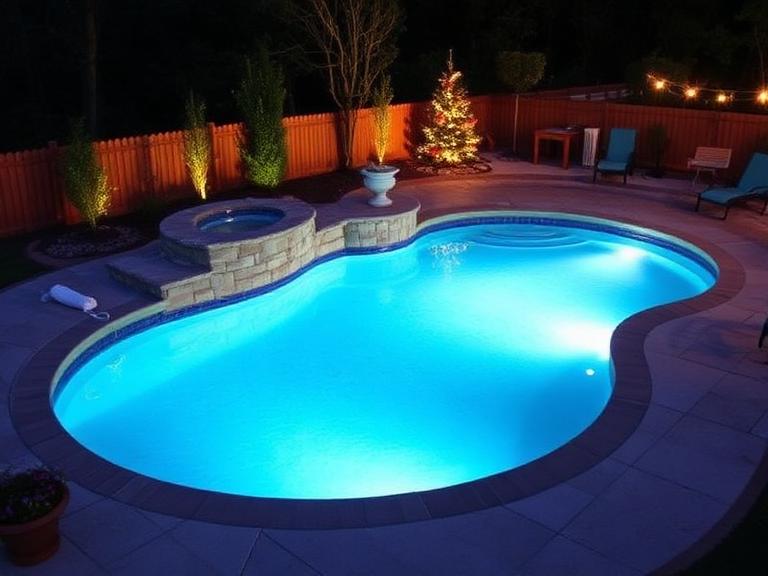
The cost to install a lap pool depends on pool type, pool size, pool length, yard access, excavation, base and structure, plumbing, electrical work, equipment, decking, fencing, permit requirements, and long-term ownership cost. Total project cost includes the pool structure, the required site work, the surrounding hardscape, and the systems needed to operate the pool safely and efficiently.
Most lap pool cost pages split pricing into lap pool type, site work cost, feature upgrade cost, and ongoing operating cost because those cost groups change the final installed price most. A lap pool is a long, narrow pool built for swimming laps. Current pool-planning references place comfortable lap swimming at about 30 feet or more in length, while current fibreglass pool references show popular long-format shells such as 16′ x 36′ and 16′ x 40′.
A complete lap pool budget must include both installation costs and long-term ownership costs. Strong budget planning covers the selected pool type, the required site preparation, the supporting mechanical systems, the surrounding safety features, and the long-term cost of operation and maintenance.
What Does It Cost to Install a Lap Pool?
Lap pool installation in Canada costs CAD 70,000 to CAD 180,000+ for most outdoor inground projects. The final price depends on pool length, pool width, pool type, yard access, excavation, soil condition, plumbing, electrical work, decking, fencing, permits, and feature upgrades.
Lap pools cost more than many compact pools because the long, narrow shape increases excavation length, shell material, plumbing runs, coping, cover size, and surrounding deck area. Current lap pool pricing places many installations near USD 40,000 to USD 80,000, while Ontario inground pool pricing places vinyl and fibreglass pools from about CAD 50,000 and concrete pools above CAD 130,000 before major upgrades.
What Is the Average Lap Pool Cost?
The average lap pool cost sits near CAD 90,000 to CAD 140,000 for a standard Canadian backyard project. This budget fits a long rectangular fibreglass, vinyl, or simple concrete lap pool with standard excavation, basic equipment, electrical work, fencing, and modest decking.
A common lap pool length is 40 ft, and current lap pool pricing lists a 40 ft lap pool near USD 45,000 before larger Canadian site, permit, hardscape, and feature costs. Canadian fibreglass pricing places large fibreglass pools near CAD 80,000 to CAD 100,000+, which supports the mid-range benchmark for long narrow pool formats.
Why Does Lap Pool Cost Vary So Much?
Lap pool cost varies because each project has a different pool length, shell material, yard access, soil condition, grading need, decking plan, fence requirement, heater choice, and finish level. A short vinyl lap pool with clear access costs less than a long concrete lap pool with premium tile, stone coping, a heat pump, lighting, and automation.
Pool material creates a major cost gap. Ontario pricing places vinyl liner pools from about CAD 50,000, fibreglass pools at CAD 50,000 to CAD 80,000, and concrete pools above CAD 130,000. Site conditions, excavation difficulty, soil type, grading, and property access add further cost variation.
What Does the Total Installed Cost Include?
The total installed cost includes the lap pool shell, excavation, base preparation, backfill, plumbing, pump, filter, heater connection, electrical bonding, lighting, coping, decking, fence enclosure, permits, inspections, grading, drainage, and cleanup.
Lap pool budgets also need allowances for long trench runs, retaining walls, pool covers, electrical upgrades, water delivery, landscaping repair, and automation. Current lap pool guidance lists permits, water delivery, excavation, levelling, pool material, size, and labour as key budget items, while Canadian pool pricing identifies decking, landscaping, lighting, water features, and site conditions as major cost changes.
What Budget Fits a Standard Lap Pool Project?
A standard lap pool project fits CAD 90,000 to CAD 150,000 for many Canadian homes. This budget supports a long rectangular pool, standard excavation, filtration, electrical work, fencing, simple coping, modest decking, and basic heating allowance.
A lower budget fits above-ground or shorter lap pool formats with limited hardscaping. A higher budget fits concrete construction, long pool length, tight access, premium tile, heat pumps, safety covers, automation, retaining walls, and larger patios. A 10% to 20% contingency protects the budget from soil issues, access problems, permit revisions, and feature changes.
What Type of Lap Pool Costs the Least?
Above-ground lap pools cost the least because they need less excavation, less structural work, and simpler installation than in-ground lap pools. Basic above-ground lap pool budgets start near CAD 15,000 to CAD 45,000+, while permanent in-ground lap pools start higher once excavation, plumbing, electrical work, permits, fencing, coping, and decking are included.
Vinyl lap pools give the lowest permanent in-ground entry price. Fibreglass lap pools fit the mid-range budget when a standard long shell works for the yard. Concrete lap pools cost the most because they need custom forming, steel reinforcement, curing, waterproofing, and premium finish work.
How Much Does an Above-Ground Lap Pool Cost?
An above-ground lap pool costs CAD 15,000 to CAD 45,000+ for many backyard projects. The price depends on pool length, frame system, swim-current equipment, base preparation, pump, filter, access steps, cover, electrical work, and deck access.
Simple above-ground lap pools cost less because they avoid full excavation and in-ground structural work. Current lap pool pricing places basic above-ground builds near USD 6,000, while endless-current systems cost more when swim-current equipment and electrical work are included.
How Much Does an In-Ground Lap Pool Cost?
An in-ground lap pool costs CAD 70,000 to CAD 180,000+ for many Canadian projects. The budget includes excavation, base preparation, pool shell, backfill, plumbing, electrical bonding, permits, fence enclosure, coping, decking, and equipment.
In-ground lap pools cost more than above-ground formats because the long shape increases excavation length, utility runs, cover size, and hardscape area. Current lap pool cost data places many installations near USD 40,000 to USD 80,000, while Ontario inground pricing starts near CAD 50,000 for vinyl and fibreglass pools.
How Much Does a Fibreglass Lap Pool Cost?
A fibreglass lap pool costs CAD 80,000 to CAD 120,000+ for many Canadian installations. A long fibreglass shell costs more than a compact pool because it needs more shell material, more excavation length, delivery planning, crane access, and a longer finished edge.
Fibreglass lap pool pricing aligns with large fibreglass pool budgets. Canadian fibreglass data places large pools from 16×32 ft to 16×40 ft at CAD 80,000 to CAD 100,000+, while 10×20 ft small fibreglass pools sit at CAD 55,000 to CAD 70,000.
How Much Does a Concrete Lap Pool Cost?
A concrete lap pool costs CAD 130,000 to CAD 250,000+ for many custom projects. Concrete costs more because the build needs excavation, forming, steel reinforcement, shotcrete or gunite, curing, waterproofing, coping, tile, plaster, and more labour.
Concrete lap pools suit custom lengths, narrow lots, raised walls, vanishing edges, integrated benches, and premium finishes. Ontario pool pricing places concrete pools above CAD 130,000, with broader Ontario pricing placing concrete inground pools at CAD 100,000 to CAD 250,000.
How Much Does an Indoor Lap Pool Cost?
An indoor lap pool costs CAD 250,000 to CAD 750,000+ when the project includes the pool, enclosure, structure, HVAC, dehumidification, insulation, vapour control, glazing, permits, and interior finishes. The long pool length increases room size, air volume, humidity load, and mechanical-system cost.
Indoor lap pools sit above outdoor lap pool budgets because they require both a pool system and a building system. Cost guidance places luxury indoor or large lap-pool builds above USD 100,000, before Canadian room construction, engineering, and mechanical costs.
How Much Does an Endless Pool Cost?
An endless pool costs CAD 35,000 to CAD 85,000+ for many above-ground or modular installations, before major indoor-room, deck, or in-ground construction costs. In-ground endless-current systems cost more because they need excavation, levelling, electrical work, concrete base preparation, and finished access.
Endless pool installation costs USD 23,000 to USD 40,000 in current 2026 pricing, while in-ground endless systems start near USD 32,000 to USD 40,000 and indoor in-ground builds reach USD 60,000.
Which Lap Pool Type Fits the Budget Best?
Above-ground lap pools fit the lowest upfront budget. Vinyl in-ground lap pools fit the lowest permanent in-ground budget. Fibreglass lap pools fit the best mid-range budget when a standard shell size works. Concrete lap pools fit premium custom projects. Endless pools fit narrow yards where swim-current training matters more than full pool length.
How Much Does Lap Pool Size Change the Price?
Lap pool size changes the price by increasing pool length, shell material, excavation volume, plumbing runs, cover size, coping, decking, and water volume. Most residential lap pools use a long, narrow format, with 8×40 ft and 10×40 ft layouts appearing in current cost guides. A standard 10×40 ft lap pool costs about USD 60,000 to USD 90,000 before Canadian site, permit, fencing, and hardscape differences.
How Much Does a Short Lap Pool Cost?
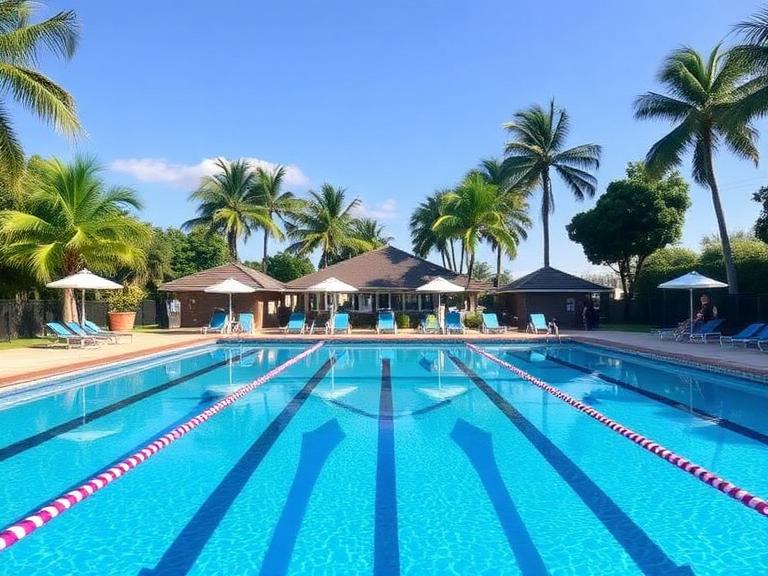
A short lap pool costs CAD 60,000 to CAD 110,000+ for many Canadian installations. Short lap pool formats often sit near 8×30 ft, which reduces excavation length, water volume, cover size, coping, and decking compared with a full-length lap pool.
Current lap pool pricing places an 8×30 ft small lap pool at USD 40,000 to USD 65,000. Canadian budgets rise when the project adds fencing, electrical work, heat pumps, covers, drainage, and patio construction.
How Much Does a Full-Length Lap Pool Cost?
A full-length lap pool costs CAD 90,000 to CAD 180,000+ for many outdoor residential projects in Canada. A full-length backyard lap pool often uses a 40 ft layout, while longer training pools reach 75 ft or more.
Current pricing places a 10×40 ft standard lap pool at USD 60,000 to USD 90,000 and a 10×75 ft large lap pool at USD 90,000 to USD 150,000+. Wider Canadian installation budgets reflect site access, excavation, permits, fencing, coping, and decking.
How Much Does Pool Width Change Cost?
Pool width changes cost by increasing water surface area, shell material, excavation width, cover size, deck layout, and filtration demand. An 8 ft wide lap pool fits one swimmer, while wider layouts add more shell area and more surrounding hardscape.
Current lap pool guidance describes many residential lap pools as 8×40 ft and 4 ft deep. Material pricing changes by surface area, with vinyl listed near USD 21 per sq. ft., fibreglass near USD 35 to USD 66 per sq. ft., and concrete near USD 55 to USD 72 per sq. ft.
How Much Does Pool Depth Change Cost?
Pool depth changes cost by increasing excavation, soil hauling, wall pressure, water volume, heating demand, and structural support. A standard exercise-focused lap pool costs less when the design keeps a consistent swimming depth instead of a deep-end profile.
Current lap pool guidance describes many residential lap pools as 4 ft deep, while broader design guidance places common lap pool depth near 3 to 5 ft. Deeper pools need more excavation and more water, which increases construction and operating cost.
How Much Does a Custom Shape Change Cost?
A custom shape adds CAD 10,000 to CAD 75,000+ to a lap pool when the design uses non-standard curves, raised walls, complex steps, integrated ledges, premium tile, or custom concrete work. A straight rectangular lap pool costs less because it reduces forming, shell complexity, coping cuts, cover design, and labour time.
Concrete lap pools create the highest custom-shape budgets because they support custom length, shape, wall details, tile, and finish work. Ontario 2026 pricing places concrete pools above CAD 130,000, while vinyl and fibreglass pools start lower when the design uses standard shapes and simpler installation.
What Changes the Cost to Install a Lap Pool?
Lap pool installation cost changes with yard access, excavation length, soil condition, rock removal, grading, pool type, material choice, labour rates, design complexity, and finish level. A long, narrow pool increases trenching, shell length, coping, decking, cover size, plumbing runs, and electrical routing.
Ontario pool pricing places excavation and site preparation at CAD 8,000 to CAD 15,000, pool shell work at CAD 25,000 to CAD 60,000, plumbing and filtration at CAD 5,000 to CAD 10,000, and electrical hookup and lighting at CAD 3,500 to CAD 7,000.
How Do Yard Access and Excavation Change Cost?
Yard access and excavation change cost by controlling machine size, digging speed, soil hauling, material staging, and labour hours. Clear side access lowers cost because crews move excavation equipment, shell materials, plumbing lines, and base materials directly to the pool area.
Restricted access raises the budget when the project needs smaller machines, hand digging, fence removal, crane delivery, or extra soil handling. Complex site preparation costs CAD 5,000 to CAD 25,000+ when access, soil, retaining walls, and grading expand the build scope.
How Do Soil, Rock, and Grading Change Cost?
Soil, rock, and grading change cost through excavation time, disposal volume, drainage work, retaining support, and base correction. Stable, level soil reduces preparation work before the lap pool shell is installed.
Rocky soil, steep grades, poor drainage, clay, old fill, and tree roots increase labour and equipment needs. Lap pool excavation also costs more than compact-pool excavation because the longer pool length requires a longer dig, more base preparation, and more backfill.
How Do Pool Type and Materials Change Cost?
Pool type and materials change cost because vinyl, fibreglass, and concrete lap pools use different shell systems, installation methods, finish options, and labour requirements. Vinyl lap pools cost less upfront. Fibreglass lap pools fit standard long-shell designs. Concrete lap pools cost more because they support custom length, width, depth, steps, and premium finishes.
Lap pool material pricing lists vinyl near USD 21 per sq. ft., fibreglass near USD 35 to USD 66 per sq. ft., and concrete near USD 55 to USD 72 per sq. ft. Ontario 2026 pricing also places fibreglass pools at CAD 55,000 to CAD 120,000 and gunite or concrete pools at CAD 90,000 to CAD 180,000+ for broader installed scopes.
How Do Labour Rates Change Cost?
Labour rates change cost through excavation crews, pool installers, plumbers, electricians, concrete crews, deck builders, fence installers, and landscapers. Higher-demand regions raise the final quote because trade availability, travel time, scheduling pressure, and municipal inspection timing increase project cost.
Canadian residential renovation costs rose 0.9% in Q2 2025, after a 0.3% rise in Q1 2025. This pricing movement affects labour-heavy pool projects, especially lap pools with longer excavation, longer utility runs, and larger deck areas.
How Do Design Complexity and Finish Level Change Cost?
Design complexity and finish level change cost through custom length, width, depth, coping, tile, decking, lighting, automation, covers, retaining walls, and landscaping. A straight rectangular lap pool costs less because it reduces forming, shell complexity, cover design, coping cuts, and labour time.
Premium finish levels raise the budget when the project adds concrete construction, glass tile, stone coping, heat pumps, automatic covers, underwater lighting, swim-current systems, and large patios. Current installed pool pricing places essential features at CAD 15,000 to CAD 40,000, while custom concrete builds reach CAD 90,000 to CAD 180,000+ before higher-end landscaping and site complications.
What Site and Construction Costs Matter Most?
Site and construction costs that matter most are excavation, base preparation, plumbing, electrical work, coping, decking, patios, and fencing. These items shape the final lap pool installation budget because a lap pool has a long footprint, longer utility runs, more finished edge, and more surrounding surface area than many compact pools.
Ontario pool pricing places excavation and site preparation at CAD 5,000 to CAD 15,000, while complex site preparation reaches CAD 5,000 to CAD 25,000+ when access, soil, grading, and retaining walls increase the scope.
How Much Does Excavation Cost?
Excavation costs CAD 8,000 to CAD 25,000+ for many lap pool projects. The lower range fits clear access, level soil, and a shorter lap pool. The higher range fits long excavation, tight access, rock, clay, slope correction, soil hauling, and disposal.
Lap pool excavation costs more than compact pool excavation because the long pool shape needs a longer dig, longer base preparation, and more spoil removal. Site conditions, excavation difficulty, soil type, grading, and property access significantly change Ontario pool installation costs.
How Much Does Base and Ground Preparation Cost?
Base and ground preparation costs CAD 4,000 to CAD 20,000+ for many lap pool installations. This work covers grading, compacted base material, drainage correction, levelling, backfill, and soil support under the long pool structure.
Ground preparation costs rise when the yard has soft soil, poor drainage, old fill, tree roots, steep grade, or retaining-wall needs. Complex site preparation reaches CAD 5,000 to CAD 25,000+ when access, soil, retaining walls, and grading expand the work.
How Much Do Plumbing and Electrical Work Cost?
Plumbing and electrical work costs CAD 8,500 to CAD 17,000+ for many lap pool projects. Pool plumbing covers skimmers, drains, returns, pump lines, filtration, heater connections, and equipment-pad hookups. Pool electrical work covers bonding, grounding, lighting, pumps, timers, controls, and panel connections.
Lap pools need longer plumbing and electrical routes when the equipment pad sits far from the pool end. Ontario pool pricing places plumbing and filtration near CAD 5,000 to CAD 10,000 and electrical hookup and lighting near CAD 3,500 to CAD 7,000.
How Much Do Coping, Decking, and Patios Cost?
Coping, decking, and patios cost CAD 15,000 to CAD 60,000+ around a lap pool. The total depends on pool length, deck width, drainage, base preparation, material choice, patio size, retaining edges, and finish level.
Lap pool hardscaping costs more when the design runs decking along the full pool length. Canadian deck and patio pricing ranges from CAD 35 to CAD 130 per sq. ft. installed, while Ontario interlock patio installation costs CAD 17 to CAD 35 per sq. ft. in 2026.
How Much Does Fencing Add to the Budget?
Fencing adds CAD 4,000 to CAD 12,000+ to a lap pool budget. The price depends on fence length, material, gate hardware, post depth, terrain, access, and municipal pool-enclosure rules.
Ontario fence installation costs CAD 40 to CAD 95 per linear ft., and a typical 100-linear-ft backyard fence costs CAD 4,000 to CAD 9,500 installed. Lap pools may need more enclosure length than compact pools because the pool footprint is longer.
What Permit and Compliance Costs Apply?
Permit and compliance costs for a lap pool range from CAD 500 to CAD 12,000+. The final cost depends on municipal pool permits, pool fence enclosure approval, electrical inspection, site plans, surveys, grading deposits, setbacks, and required inspections.
Lap pool compliance covers more than the pool shell. The project must address fencing, self-closing gates, electrical bonding, drainage, equipment placement, lot grading, and municipal approval before the pool is filled.
When Is a Pool Permit Required?
A pool permit is required when a lap pool meets local pool-depth, size, or enclosure rules. Toronto requires a Zoning Applicable Law Certificate before a Pool Fence Enclosure Permit, and the pool fence enclosure permit controls whether the pool can be built and filled.
London requires a swimming pool fence permit when a pool has a depth above 75 cm at any point and a surface area above 1 m². This rule captures most lap pools, including narrow backyard lap pools and compact training pools.
How Much Do Permit Fees Cost?
Pool permit fees cost about CAD 116 to CAD 600+ in many Ontario municipalities. Clearview’s 2026 guide lists CAD 116 for an above-ground pool permit and CAD 193 for an in-ground pool permit.
Toronto lists Pool Fence Enclosures at CAD 214.79 in its 2026 building permit fee schedule. London lists a CAD 200 swimming pool fence permit fee or CAD 12.50 per CAD 1,000 of reported construction value, whichever is greater.
How Much Does a Pool Fence Enclosure Cost?
A pool fence enclosure adds CAD 4,000 to CAD 15,000+ to a lap pool budget. The cost depends on fence length, material, gate hardware, post depth, yard slope, and the longer enclosure path needed for a narrow pool.
Mississauga lists a 2026 pool enclosure inspection fee of CAD 402.53 including HST. Mississauga also lists refundable municipal services protection deposits of CAD 1,500 for in-ground and on-ground pools and CAD 750 for above-ground pools.
How Much Do Drawings, Surveys, or Engineering Add?
Drawings, surveys, or engineering add CAD 1,500 to CAD 12,000+ to a lap pool project. A simple site plan and current survey sit near the lower range. Retaining walls, grading issues, engineered decks, drainage plans, or tight setbacks sit near the higher range.
Toronto pool enclosure zoning applications require a site plan, pool dimensions, property dimensions, equipment location, fence details, lot-line distances, and hard-versus-soft landscaping percentages. These drawing requirements affect estimate accuracy before permit submission.
What Compliance Costs Are Easy to Miss?
Easy-to-miss compliance costs include zoning certificates, pool enclosure inspections, electrical notifications, grading deposits, municipal protection deposits, deck permits, survey updates, temporary fencing, and reinspection fees.
Ontario’s 2026 Electrical Safety Authority guide lists CAD 168 for an inground, indoor, or above-ground pool, including up to two inspection visits. A separate trench inspection costs CAD 177 per hour or fraction when inspected apart from other work.
How Much Do Lap Pool Features Add?
Lap pool features add CAD 5,000 to CAD 120,000+ to the total project budget. The largest feature costs come from heaters, heat pumps, swim-current systems, LED lighting, automation, safety covers, steps, benches, and tanning ledges.
Lap pool features cost more when the long pool shape increases equipment size, cover length, electrical load, plumbing runs, and finished edge detail. Canadian heat pump listings place pool heat pump units from about CAD 1,999 to CAD 4,999+ before installation, while 2026 automatic cover pricing places many projects near CAD 17,000 to CAD 30,000.
How Much Do Heaters and Heat Pumps Add?
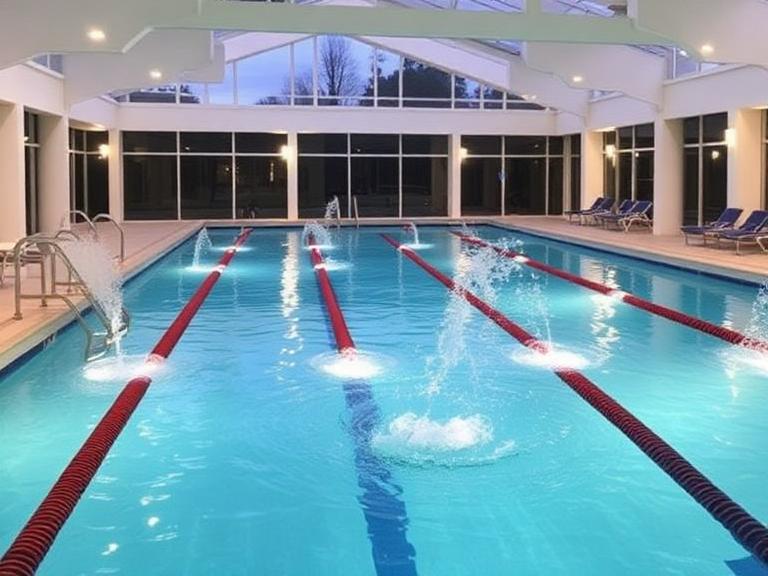
Heaters and heat pumps add CAD 5,000 to CAD 20,000+ to a lap pool project. The total includes the unit, plumbing tie-ins, electrical or gas connection, equipment pad work, controls, and permit-related work.
Pool heat pump equipment in Canada starts near CAD 1,999 for a 50,000 BTU unit and rises above CAD 4,999 for larger units before installation. Longer lap pools need stronger heating allowances because water volume and surface area increase heat demand.
How Much Do Swim Jets and Current Systems Add?
Swim jets and current systems add CAD 15,000 to CAD 45,000+ to a lap pool budget. The cost depends on current strength, wall-mounted or deck-mounted setup, electrical service, plumbing, controls, and construction timing.
Fastlane-style swim-current systems list manufacturer pricing near USD 10,999 for a deck-mounted swim unit before shipping, installation, taxes, and local dealer pricing. Broader endless-current cost data places Fastlane Pro systems near USD 11,000 to USD 15,000 before installation-related costs.
How Much Do Lights and Automation Add?
Lights and automation add CAD 2,500 to CAD 18,000+ to a lap pool project. Basic LED lighting costs less than colour-changing lights, app-based automation, automated valves, heater control, pump control, and cover integration.
Inground LED pool light systems in Canada list near CAD 649 to CAD 1,359 per system before installation. Pool automation equipment costs USD 500 to USD 4,000+, with installed automation commonly reaching USD 800 to USD 5,500+.
How Much Do Covers and Safety Features Add?
Covers and safety features add CAD 1,000 to CAD 30,000+ to a lap pool budget. The final cost depends on pool length, cover type, track style, motorized operation, gate hardware, alarms, non-slip surfaces, and fence requirements.
Safety covers in Canada start near CAD 599 before custom sizing and installation. Automatic pool covers in 2026 add about CAD 20,000+ to many new pool builds and CAD 17,000+ to many retrofit projects.
How Much Do Benches, Steps, and Tanning Ledges Add?
Benches, steps, and tanning ledges add CAD 3,000 to CAD 30,000+ to a lap pool project. The cost depends on pool type, ledge size, waterproofing detail, tile finish, shell design, and whether the feature is built into a standard shell or custom-built.
Fibreglass lap pools reduce separate feature cost when the shell already includes entry steps or seating. Concrete lap pools cost more for benches and tanning ledges because each feature changes forming, reinforcement, waterproofing, plaster, tile, and coping details.
What Hidden Costs Increase a Lap Pool Budget?
Hidden lap pool costs add CAD 15,000 to CAD 100,000+ when site problems, long-shell delivery, crane lifting, electrical upgrades, permits, landscaping repair, and delays sit outside the first quote. A lap pool carries higher hidden-cost risk than a compact pool because its long footprint increases excavation length, shell handling, coping, decking, fencing, and utility runs.
Lap pool estimates need separate allowances for rock removal, soil hauling, grading, crane access, electrical inspection, permit fees, fence enclosure, patio repair, sod, retaining walls, and change orders.
What Site Problems Raise Cost Fast?
Site problems raise cost fast through rock removal, poor drainage, restricted access, slope correction, retaining walls, and soil disposal. Regrading a yard costs about USD 900 to USD 4,350, and excavation labour ranges from USD 50 to USD 100 per hour.
Lap pool sites need more preparation than compact pool sites because the long trench must stay level, stable, and properly drained across the full pool length. Poor soil or slope issues affect the base, backfill, patio, fence line, and drainage plan.
What Delivery or Crane Costs Are Easy to Miss?
Delivery or crane costs add CAD 2,000 to CAD 12,000+ when a long fibreglass lap pool shell needs lifting over a house, garage, fence, or tight side yard. Fibreglass pool crane delivery typically costs USD 2,000 to USD 8,000, while a lift over a house often reaches USD 4,000 to USD 8,000+.
Crane cost changes with shell length, shell weight, street access, boom reach, overhead wires, traffic control, and standby time. A lap pool quote must state whether shell delivery, crane hire, permits, and lift-day delays are included.
What Electrical and Permit Costs Are Easy to Miss?
Electrical and permit costs add CAD 500 to CAD 6,000+ when a lap pool needs pool bonding, hard-wired equipment, panel upgrades, trenching, zoning review, fence permits, and reinspections. Ontario’s 2026 Electrical Safety Authority fee guide lists CAD 168 for an inground, indoor, or above-ground pool, including up to two inspection visits.
Lap pool electrical work costs more when the equipment pad sits far from the pool, the heater needs more capacity, or the design includes lights, automation, swim-current systems, or an automatic cover.
What Landscaping Costs Follow Pool Installation?
Landscaping costs add CAD 10,000 to CAD 50,000+ after lap pool installation when the yard needs patios, walkways, sod, planting, grading repair, retaining walls, lighting, irrigation, or access-route repair. Canadian landscaping cost data places mid-range projects with patios, retaining walls, lighting, and irrigation near CAD 15,000 to CAD 35,000, while larger complex projects exceed CAD 50,000.
Lap pool landscaping often costs more than compact pool landscaping because the long pool edge creates more coping, more deck surface, longer drainage runs, and more disturbed lawn area.
What Delays Increase Total Project Cost?
Delays increase total project cost through labour remobilization, inspection rebooking, permit resubmissions, equipment storage, material price changes, weather protection, and late design changes. Statistics Canada reported residential renovation costs rose 0.9% in Q2 2025, after a 0.3% rise in Q1 2025.
Change orders create the largest delay risk after excavation starts. Late changes to pool length, heater location, cover type, fence route, patio size, or swim-current equipment affect plumbing, electrical work, inspections, drainage, and landscaping together.
What Does a Lap Pool Cost Over Time?
Lap pool ownership costs CAD 2,500 to CAD 9,000+ per season for heating, chemicals, water treatment, opening, closing, cleaning, filter care, repairs, and equipment service. The total depends on pool length, water volume, heater use, cover quality, service frequency, pool material, and equipment age. GTA 2026 service data places weekly pool maintenance at CAD 80 to CAD 150 per visit and DIY annual chemicals at CAD 600 to CAD 1,200.
Lap pools cost more to run than plunge pools because they hold more water and have more exposed surface area. Pool covers reduce heating cost by 50% to 70% because they limit evaporation and heat loss.
How Much Does Heating Cost Each Season?
Lap pool heating costs CAD 1,000 to CAD 4,500+ per season. The cost depends on pool size, water temperature, heater type, season length, cover use, wind exposure, and local energy rates. Pool covers create the strongest heating-cost reduction because covering a pool when not in use is the most effective way to reduce heating cost.
How Much Do Chemicals and Water Treatment Cost?
Chemicals and water treatment cost CAD 600 to CAD 1,200 per season for many DIY lap pool owners. The budget covers chlorine, pH balancers, alkalinity control, shock treatment, test strips, filter care, and seasonal start-up chemicals.
How Much Do Opening and Closing Services Cost?
Opening and closing services cost CAD 700 to CAD 1,500+ per season when both visits are included. Toronto service packages list 9-week maintenance near CAD 2,150 and 18-week maintenance near CAD 3,500, while separate opening and closing packages vary by pool size, equipment, cover type, and add-on service.
How Much Do Repairs and Equipment Replacement Cost?
Repairs and equipment replacement cost CAD 750 to CAD 6,000+ per year when pumps, filters, heaters, covers, lights, valves, automation, or swim-current equipment need service. Pool pump replacement costs USD 700 to USD 4,000, while pool filter replacement costs USD 450 to USD 2,000.
How Much Does Annual Lap Pool Maintenance Cost?
Annual lap pool maintenance costs CAD 2,500 to CAD 9,000+ for most seasonal residential pools. DIY care sits near the lower range when the owner handles testing, brushing, vacuuming, chemicals, and filter cleaning. Professional care reaches the higher range because weekly GTA service costs CAD 80 to CAD 150 per visit, before repairs and equipment replacement.
Is a Lap Pool Cheaper Than a Standard Pool?
A lap pool is not always cheaper than a standard pool. The narrow width lowers material and water volume, but the longer length increases excavation, shell length, plumbing runs, coping, covers, fencing, and decking. A short lap pool costs less than many large custom pools, while a full-length concrete lap pool costs more than a standard vinyl or fibreglass backyard pool.
Current Ontario pricing places vinyl liner pools from about CAD 50,000, fibreglass pools at CAD 50,000 to CAD 80,000, and concrete pools above CAD 130,000 before large patios, premium finishes, and feature upgrades.
Does a Narrower Pool Lower Installation Cost?
A narrower pool lowers installation cost when it reduces excavation width, water volume, shell area, and deck area. Standard lap pool formats often use an 8 ft to 10 ft width, which fits narrow yards and reduces total width compared with many recreational pools.
Pool length can offset those savings. A 40 ft lap pool still needs a long excavation, long coping runs, longer covers, and more fencing around the pool area.
Does a Lap Pool Lower Heating Cost?
A lap pool does not always lower heating cost because its long water surface still loses heat through evaporation. A narrow pool reduces water volume, but the exposed surface area remains high when the pool is long.
Pool covers create the strongest heating-cost reduction. The U.S. Department of Energy states that pool covers reduce pool heating costs by 50% to 70% because they reduce evaporation and heat loss.
Does a Lap Pool Lower Maintenance Cost?
A lap pool lowers maintenance cost only when it has less water volume and a simpler shape than a standard pool. A straight rectangular shape reduces brushing, vacuuming, cover handling, and debris traps.
Longer lap pools still need chemical balancing, filtration, cleaning, opening, closing, and equipment service. GTA 2026 maintenance pricing places weekly pool service at CAD 80 to CAD 150 per visit, regardless of whether the pool is narrow or recreational.
Does a Lap Pool Still Need Full Permit and Fence Work?
A lap pool still needs full permit and fence work when it meets local pool-depth or enclosure rules. Toronto requires a Zoning Applicable Law Certificate before a Pool Fence Enclosure Permit, and the pool enclosure rules apply before a pool is built and filled.
Permit and fence costs do not shrink much because the pool is narrow. The project still needs compliant gates, setbacks, electrical bonding, drainage, inspections, and enclosure approval.
Which Lap Pool Type Gives the Best Long-Term Value?
A fibreglass lap pool gives strong long-term value when a standard long shell fits the yard. It offers faster installation, a smooth surface, and lower surface maintenance than many concrete designs.
A vinyl lap pool gives the lowest permanent in-ground entry cost. A concrete lap pool gives the most design flexibility, but it carries higher build cost and higher long-term surface maintenance.
How Do You Budget for a Lap Pool?
Lap pool budgeting starts with a total installed range of CAD 70,000 to CAD 250,000+. The budget must separate core installation, site work, permits, fencing, equipment, decking, features, and contingency. Ontario 2026 pricing places vinyl liner pools from about CAD 50,000, fibreglass pools at CAD 50,000 to CAD 80,000, and concrete pools above CAD 130,000.
What Budget Fits a Basic Lap Pool?
A basic lap pool fits CAD 70,000 to CAD 110,000 when the project uses a short vinyl or basic fibreglass lap pool, clear yard access, standard excavation, basic equipment, simple fencing, and limited decking. Current lap-pool pricing places an 8×30 ft small lap pool near USD 40,000 to USD 65,000, before Canadian site, permit, and hardscape differences.
What Budget Fits a Mid-Range Lap Pool?
A mid-range lap pool fits CAD 110,000 to CAD 170,000 when the project includes a longer fibreglass or standard in-ground lap pool, heating allowance, lighting, fencing, coping, and a practical deck. A 10×40 ft standard lap pool costs about USD 60,000 to USD 90,000, while Canadian large fibreglass pool pricing reaches CAD 80,000 to CAD 100,000+ before major upgrades.
What Budget Fits a Luxury Lap Pool?
A luxury lap pool fits CAD 170,000 to CAD 250,000+ when the project includes concrete construction, custom length, premium tile, stone coping, heat pump, automatic cover, swim-current system, retaining walls, and detailed landscaping. Ontario concrete inground pools cost CAD 100,000 to CAD 250,000, and custom lap-pool length increases excavation, coping, covers, decking, and utility runs.
How Much Contingency Should You Keep?
Lap pool contingency needs 10% to 20% of the total project budget. A CAD 120,000 project needs CAD 12,000 to CAD 24,000 in reserve, while a CAD 220,000 project needs CAD 22,000 to CAD 44,000. Canadian construction guidance places renovation and retrofit contingency at 10% to 20% because existing site conditions create more unknowns.
How Do You Separate Core Cost From Upgrade Cost?
Core cost includes the lap pool shell, excavation, base preparation, backfill, plumbing, filtration, pump, electrical bonding, permits, fence enclosure, basic coping, and required inspections. Upgrade cost includes heaters, swim-current systems, automation, safety covers, premium tile, stone decking, benches, tanning ledges, retaining walls, and full landscaping.
Core and upgrade separation protects the budget because required work stays funded before optional features. This structure also makes quotes easier to compare because each contractor must price the same pool length, pool type, site work, permit scope, and feature allowances.
How Do You Compare Lap Pool Quotes?
Lap pool quotes are compared by scope, pool type, pool length, site work, permits, fencing, equipment, features, warranty, and exclusions. A fair quote comparison uses the same pool size, depth, material, equipment package, yard access, and finish level for every contractor.
Canadian consumer guidance says renovation estimates need the same specifications and must include all costs, labour, extra charges, taxes, a project outline, and at least a partial cost breakdown.
What Should a Lap Pool Quote Include?
A lap pool quote must include the pool shell, excavation, base preparation, backfill, plumbing, filtration, pump, electrical bonding, lighting, heater allowance, permits, fence enclosure, coping, decking, drainage, cleanup, warranty, and exclusions. Ontario renovation rules require written agreements for contracts worth more than CAD 50, which supports clear scope, pricing, payment terms, timelines, and extra-charge rules.
What Costs Are Often Missing From Cheap Quotes?
Low-priced lap pool quotes often miss soil disposal, rock removal, long trenching, electrical upgrades, pool bonding, permit fees, fencing, grading, drainage, coping, patio repair, landscaping, and reinspection costs. Ontario’s Electrical Safety Authority lists CAD 168 for an inground, indoor, or above-ground pool, including up to two inspection visits.
How Do You Compare Quotes by Pool Type?
Lap pool quotes by pool type need separate comparison for vinyl, fibreglass, concrete, above-ground, indoor, and endless pool systems. Each quote must state shell material, structural system, delivery method, installation method, finish type, equipment package, access needs, repair responsibility, and warranty terms.
How Do You Compare Quotes by Scope?
Lap pool quotes by scope are compared through line-item coverage. A shell-only quote does not match a full installation quote that includes excavation, plumbing, electrical work, fencing, decking, permits, inspections, grading, cleanup, and site repair. A written specification sheet keeps every quote tied to the same pool length, width, depth, equipment package, and finish level.
How Do You Check Permit and Feature Costs in a Quote?
Permit and feature costs need separate line items for pool enclosure permits, zoning review, surveys, electrical notification, heaters, covers, lights, automation, swim jets, current systems, benches, steps, tanning ledges, and premium finishes. Each allowance must show material, model, quantity, installation cost, taxes, warranty, and excluded work.
How Do You Reduce Lap Pool Cost Without Cutting Essentials?
Lap pool cost drops when the design reduces pool length, shape complexity, feature count, and decking area while keeping excavation, base preparation, plumbing, electrical bonding, permits, fencing, drainage, and safe access intact. Cost control works best before excavation starts because lap pool length affects shell cost, trenching, plumbing runs, coping, covers, patios, and fencing.
Ontario pool pricing places excavation and site preparation at CAD 8,000 to CAD 15,000, plumbing and filtration at CAD 5,000 to CAD 10,000, and electrical hookup and lighting at CAD 3,500 to CAD 7,000. These cost items belong in the required build budget, not the upgrade budget.
Does a Shorter Pool Lower Cost?
A shorter lap pool lowers cost because it reduces excavation length, pool shell material, water volume, coping, cover size, plumbing runs, fencing length, and decking area. An 8×30 ft lap pool costs less than a 10×40 ft lap pool because the smaller layout removes about 160 sq. ft. of water surface area.
Current lap pool pricing places an 8×30 ft small lap pool near USD 40,000 to USD 65,000, while a 10×40 ft standard lap pool sits near USD 60,000 to USD 90,000 before Canadian site, permit, fencing, and hardscape differences.
Does a Simpler Shape Lower Cost?
A simpler shape lowers cost because a straight rectangular lap pool reduces layout time, concrete forming, shell complexity, liner fitting, coping cuts, cover design, and labour waste. Standard shapes also make excavation, base preparation, decking, and fencing more predictable.
Custom shapes raise cost when the design needs curves, raised edges, built-in ledges, custom tile, non-standard covers, or detailed concrete work. A narrow rectangle gives the strongest lap-pool cost control because it matches the swimming purpose and removes unnecessary edge complexity.
Does Fewer Features Lower the Budget?
Fewer features lower the budget when the cuts remove optional upgrades such as swim jets, water features, extra lights, automation, premium tile, stone coping, tanning ledges, and large seating areas. Essential pool systems must stay in the budget.
Core lap pool systems include the pool shell, excavation, base preparation, plumbing, filtration, electrical bonding, drainage, permits, fencing, and safe cover planning. Current 2026 pool pricing places covers, heaters, and accessories at CAD 3,500 to CAD 12,000 before premium upgrades.
Does Simpler Decking Lower Total Cost?
Simpler decking lowers total cost because patios, coping, stairs, drainage, retaining edges, and surface finishes add major labour and material cost along the long pool edge. A smaller deck layout reduces base preparation, grading, cutting, waste, drainage work, and hardscape repairs.
Canadian deck and patio installation ranges from CAD 35 to CAD 130 per sq. ft. in 2026. A narrow service walkway along one side costs less than a full-length patio around both sides of a lap pool.
What Cost Cuts Create Problems Later?
Problem cost cuts include weak base preparation, poor drainage, skipped electrical bonding, undersized pumps, missing permits, low-grade fencing, thin decking base, and poor patio slope. These cuts create settlement, water damage, inspection failure, safety risk, equipment strain, and repair costs.
Pool covers belong in the essential budget when heating cost matters. The U.S. Department of Energy states that pool covers reduce pool heating costs by 50% to 70% because they reduce evaporation and heat loss.
Frequently Asked Questions About the Cost to Install a Lap Pool
How Much Does It Cost to Install a Lap Pool?
Lap pool installation in Canada costs CAD 70,000 to CAD 180,000+ for many outdoor inground projects. A 40 ft lap pool costs about USD 45,000 before Canadian site, permit, fencing, and hardscape costs.
Is a Lap Pool Cheaper Than a Standard Pool?
A lap pool costs less than a standard pool only when the narrow width reduces excavation, shell material, water volume, and decking. A long concrete lap pool costs more than many standard vinyl or fibreglass pools because length increases excavation, coping, covers, and utility runs.
What Is the Cheapest Lap Pool Type?
Above-ground lap pools cost the least because they need less excavation and structural work. Current lap pool pricing places above-ground options near USD 6,000+, while inground and indoor designs cost more.
What Hidden Costs Matter Most?
Hidden lap pool costs include rock removal, soil hauling, crane delivery, electrical upgrades, permits, fencing, grading, drainage, landscaping repair, and inspection delays. These costs rise faster on long pools because the footprint increases site work and hardscape length.
How Much Does a Lap Pool Cost to Run?
A lap pool costs CAD 2,500 to CAD 9,000+ per season to run. The yearly cost includes heating, chemicals, water treatment, opening, closing, cleaning, filter care, repairs, and equipment service; pool covers reduce heating costs by 50% to 70%.
Does a Lap Pool Need a Permit?
A lap pool needs a permit when it meets local pool-depth or enclosure rules. Toronto requires a Zoning Certificate before a Pool Fence Enclosure Permit, and the pool cannot be built and filled without a compliant enclosure.
What Should a Lap Pool Quote Include?
A lap pool quote must include the pool shell, excavation, base preparation, plumbing, filtration, electrical bonding, permits, fencing, coping, decking, equipment, cleanup, warranty, exclusions, and feature allowances. The quote must price the same pool length, depth, and scope for fair comparison.
Which Lap Pool Type Fits a Narrow Backyard?
Fibreglass lap pools, vinyl lap pools, and endless pools fit narrow backyards best. These options reduce width, keep a straight swim path, and limit hardscape spread compared with wide recreational pool layouts.
How Do You Get a Lap Pool Cost Estimate?
A lap pool cost estimate starts with a site visit, then moves into a written design brief, pool specification, permit review, and line-item quote. The estimate must separate the pool shell, excavation, base preparation, plumbing, electrical work, equipment, fencing, decking, permits, inspections, features, exclusions, and contingency.
Canadian consumer guidance states that renovation estimates need the same job specifications, all costs, labour, extra charges, taxes, a project outline, and a partial cost breakdown.
How Do You Book a Site Visit?
A site visit starts with the property address, preferred lap pool type, target length, target width, budget range, yard access, slope, drainage, existing fencing, and desired features. The visit checks machine access, excavation length, equipment location, electrical service, setbacks, fence layout, patio scope, and shell delivery route.
A useful site visit needs a current survey, yard photos, utility details, gate measurements, patio plans, tree locations, retaining-wall notes, and overhead-wire details.
How Do You Get a Design and Cost Estimate?
A design and cost estimate comes from a written plan that sets the lap pool length, width, depth, shell type, equipment package, coping, decking, fencing, lighting, heating, cover type, drainage, and permit scope. The estimate must separate fixed costs from allowances.
Ontario law requires home renovation contracts worth more than CAD 50 to be in writing. A proper lap pool estimate lists project scope, materials, price, payment terms, timelines, warranty, exclusions, and change-order rules before work starts.
How Do You Plan Permit and Build Costs Together?
Permit and build costs need one plan because permit rules affect pool length, pool location, fence layout, equipment placement, decking, grading, drainage, and electrical work. A permit-first plan reduces redesign costs, inspection delays, and change orders.
A complete budget separates core build cost, permit cost, and upgrade cost. Core cost covers the pool shell, excavation, plumbing, filtration, electrical bonding, base preparation, fencing, and required inspections. Permit cost covers zoning review, pool enclosure approval, surveys, drawings, electrical notification, and deposits. Upgrade cost covers heaters, covers, lights, automation, swim-current systems, benches, tanning ledges, patios, and landscaping.