Fibreglass and vinyl pools represent two main in-ground pool construction options. A vinyl liner pool uses wall panels (typically steel or polymer panels supported by a concrete collar and properly compacted backfill) and a shaped base (often vermiculite or sand-cement) finished with vinyl swimming pool liners, which makes the liner the watertight surface of a vinyl swimming pool and a component that’s commonly chosen by thickness (for example, ~20–30 mil) and replaced on a long-term cycle. A fibreglass pool uses a pre-fabricated fibreglass shell built from fibreglass laminate and resin (sometimes with a barrier coat) with a gelcoat finish, delivered to site as a single unit, which separates fibreglass and vinyl by structure and surface layer and also explains typical maintenance/repair differences, like liner patching vs gelcoat or crack repairs, with water chemistry (pH/alkalinity/sanitizer balance) affecting both surfaces over time. Gelcoat can dull/oxidize and, in some cases, develop osmotic blistering, while liners can wrinkle or puncture if the base shifts or is damaged.
A comparison of fibreglass and vinyl focuses on cost, maintenance, durability and installation time because those factors drive ownership outcomes. Cost splits into initial build pricing and long-term spending, where vinyl liner pools include a liner replacement cycle and fibreglass uses no liner replacement cycle. Maintenance includes routine cleaning and water chemistry control, plus liner protection for and vinyl liner systems and surface care for gelcoat. Durability differs by failure mode, where a vinyl liner pool faces puncture risk and a fibreglass shell faces crack repair complexity. Installation time differs because fibreglass placement centres on shell delivery and set, while vinyl pool work centres on panel build, base finishing and liner fitting in fibreglass and vinyl liner comparisons.
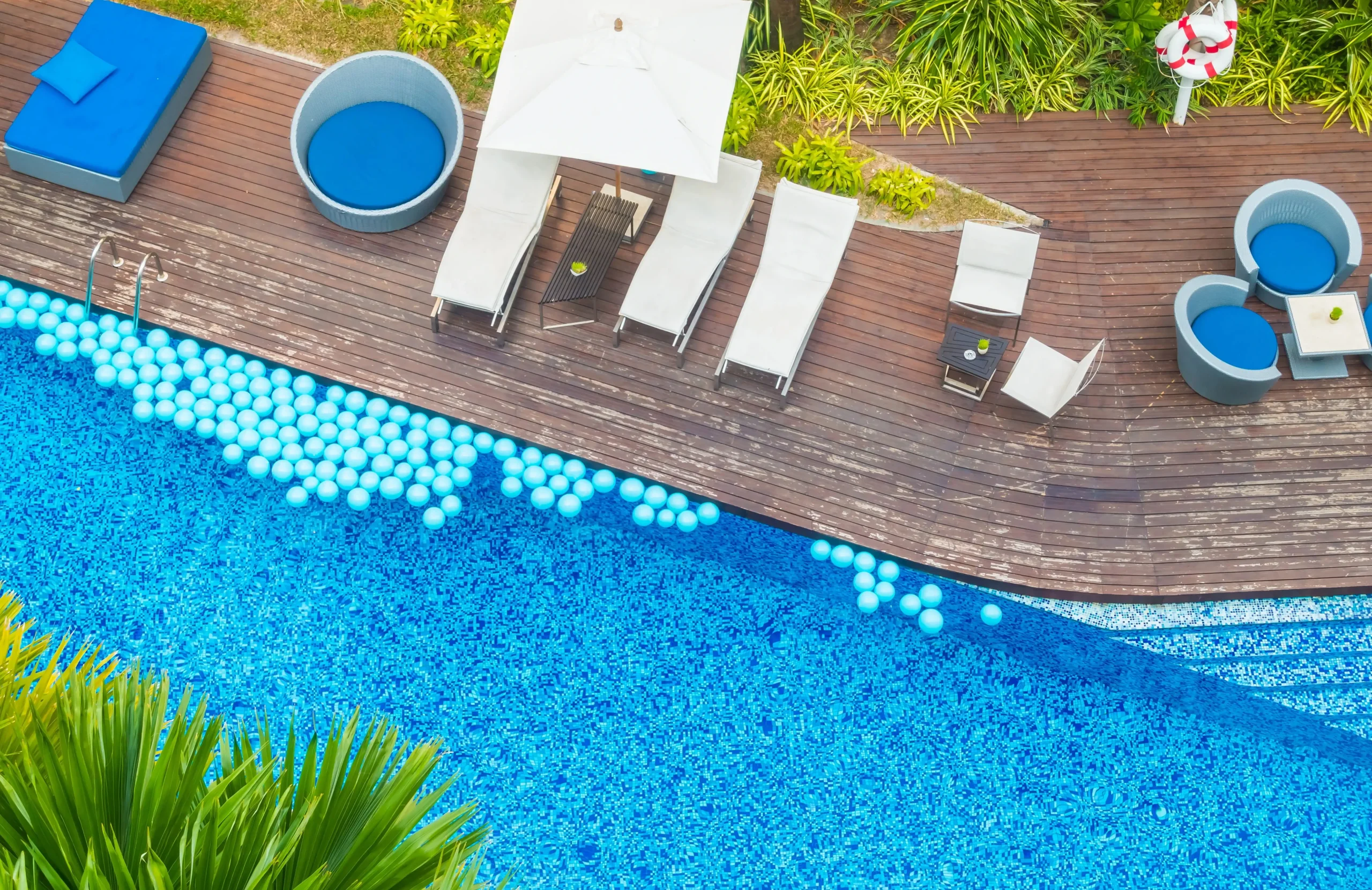
What is a Vinyl Pool?
A vinyl swimming pool is an in-ground pool that uses a vinyl swimming pool liner as the waterproof interior surface instead of a rigid shell. A vinyl liner pool depends on a fitted, flexible liner that locks into a track at the top edge of the pool wall and forms the finished surface that holds the water.
Vinyl liner pools use a panel-and-base structure under the liner. Wall systems use galvanized steel panels, polymer/resin panels or aluminum panels, supported by braces and backfill. The floor base under the liner uses shaped materials such as sand or vermiculite-cement mixes that create the pool’s final contours. Plumbing uses PVC pipe and fittings connected to skimmers, return jets and main drains, with coping and liner track components in polymer or aluminum to secure the liner bead.
Construction of a vinyl liner pool ends with setting and seating the liner. Excavation defines the pool footprint and depth profile, then wall panels get assembled, levelled and braced while plumbing and fittings go in. Backfill supports the outside of the wall structure and a concrete collar or bond beam often stabilizes the wall tops and coping zone. The floor base gets shaped and trowelled smooth. Vinyl swimming pool liners get hung into the track, vacuum-set against the walls and floor to remove wrinkles and filled while the liner locks into corners and seals around fittings.
Pros:
Main advantage of vinyl liner pools is customizable shapes and sizes. Panel systems support rectangles, freeform layouts, sport pools and deeper profiles without a fixed mould and design features like benches, ledges and step areas integrate into the wall-and-base build before liner installation.
Major advantage of a vinyl swimming pool is lower initial cost compared to fiberglass and concrete. Vinyl construction avoids a factory-moulded shell and avoids a full shotcrete/gunite shell with plaster or tile finishes. The liner serves as the waterproofing and finished surface, which reduces upfront materials and finishing labour.
Practical advantage of a vinyl liner pool is the smooth surface. The liner finish feels smooth underfoot and reduces abrasive contact compared to many concrete finishes, which matters for comfort, swimwear wear and skin contact during entry, exits and play.
Cons:
Core drawback of vinyl liner pools is liner lifecycle. Liner replacement commonly occurs every 8–10 years due to stretching, fading, seam wear and material aging from sunlight and water chemistry, which adds a recurring replacement cost over the pool’s service life.
Second drawback of vinyl liner pool is damage risk. A vinyl liner pool stays vulnerable to tears and punctures from sharp objects, pets, unprotected tools or misuse of pool accessories and repairs often involve patching that restores function but leaves visible repair marks.
Long-term drawback of vinyl liner pool is ownership cost. Higher long-term maintenance costs come from scheduled liner replacement, patching, potential track and bead repairs and tighter attention to water balance to protect liner flexibility and colour over time.
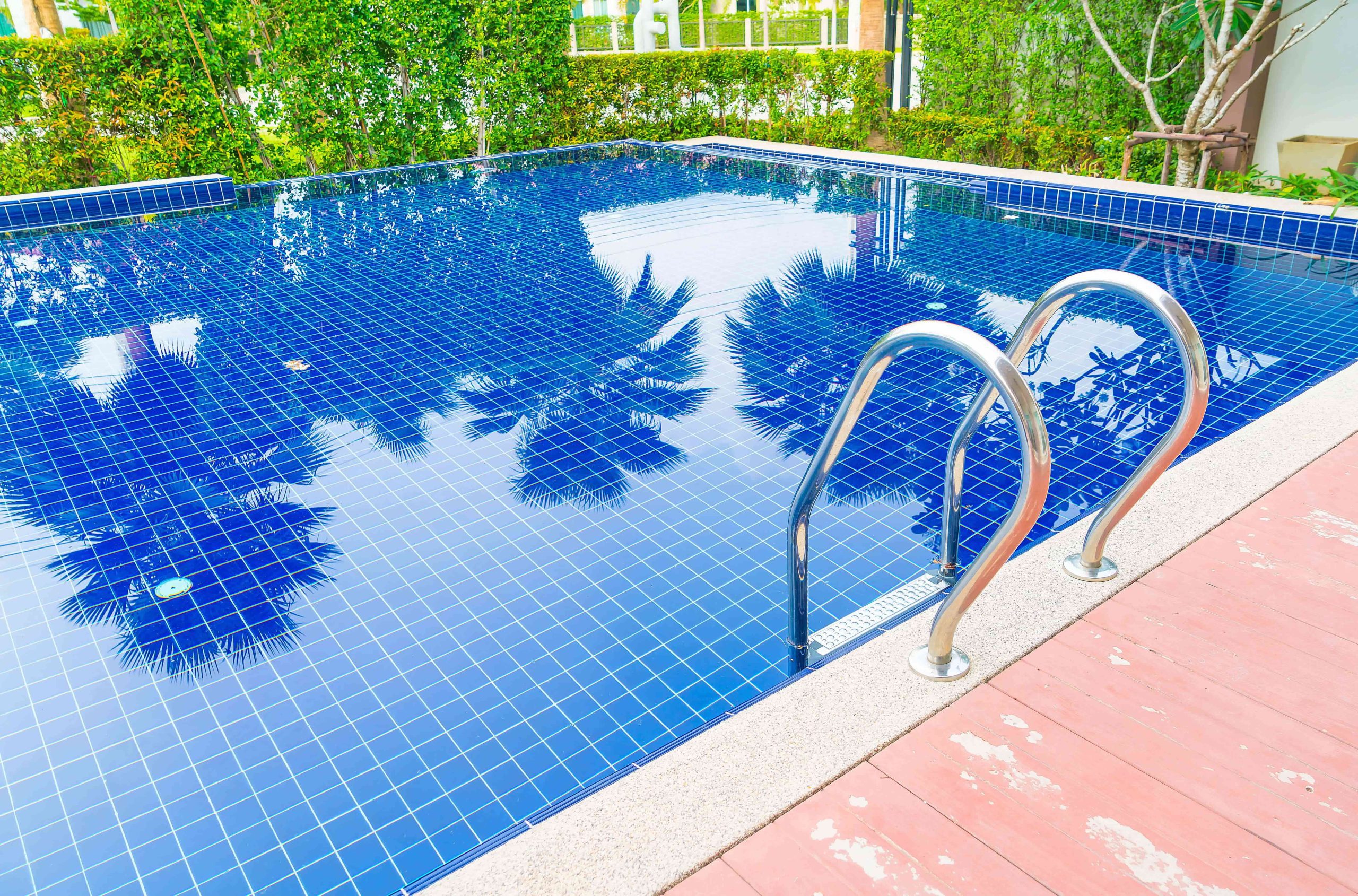
What is Fiberglass Pool?
A fiberglass pool is a single, one-piece structure or pool shell made entirely of fiberglass material (a molded fiberglass laminate and resin shell) that serves as an alternative to traditional inground pool construction. Unlike traditional pools that require a lengthier installation process involving the assembly of walls, pouring of concrete, and installation of liners, a fiberglass pool is a prefabricated shell that is simply lifted into an excavated yard (typically delivered by truck and set with a crane or boom truck, depending on site access), plumbed, and filled, allowing for a much faster transition to use than on-site builds that require curing and multiple construction phases. After placement, installers typically complete base leveling, backfill and compaction around the shell, and hookups to the equipment pad (pump/filter lines, returns/skimmers, and electrical bonding), with permits and inspections sometimes influencing the real schedule. Most fiberglass pools use a gelcoat finish, which affects long-term care (water chemistry control helps reduce staining and oxidation), and designs are generally limited to factory mould sizes and shapes.
Pros:
High Durability and Strength: Fiberglass pools are exceptionally long-lasting and can be up to 17 times stronger than concrete, with enough flexibility to move up to two feet during earth movement without structural failure.
Low Maintenance: The non-porous surface resists algae growth and staining, which can reduce routine maintenance requirements by up to 90%.
Fast Installation: These pools are factory-built under strict quality standards, allowing experienced builders to complete installations in just a few days and minimize disruption to the home.
Long-Term Affordability: The total cost of ownership is lower than other pool types because they are energy-efficient and do not require liner replacements, resurfacing, or heavy chemical usage. Eco-Friendliness: Thanks to reduced chemical needs and better energy efficiency, fiberglass pools are considered a more environmentally friendly option.
Cons:
Size Restrictions: Due to shipping and transportation regulations, manufacturers are typically limited to producing pool shells that do not exceed 40 feet in length and 16 feet in width.
Limited Customization: Because fiberglass pools are manufactured from pre-designed molds, they are not fully customizable and cannot be crafted into unique or exact custom shapes.
Site Access Challenges: The installation process can be complicated by site layout; tight access areas may impose limits on transportation and crane placement, which can contribute to higher overall costs.
Vinyl Pool vs Fiberglass Pool – The Key Differences
Vinyl vs Fiberglass comes down to structure, finish surface and lifecycle costs including installation constraints, replacement cycles and resurfacing needs. A vinyl pool uses a panel-and-base structure (often steel or polymer wall panels with a concrete collar and compacted backfill) finished with a swimming pool vinyl liner secured in a coping track (bead receiver) over a vermiculite or sand-cement floor base. A fiberglass pool uses a factory-built fiberglass swimming pool shell (laminated fiberglass and resin, sometimes with a barrier coat) finished with gelcoat. The surface layer defines each pool’s maintenance pattern, repair profile and long-term ownership cost because liners are typically patched or replaced on a schedule (and can be punctured or wrinkle if the base shifts), while gelcoat can oxidize/dull and may need polishing or resurfacing and can face issues like osmotic blistering. In both types, consistent water chemistry (pH, alkalinity, sanitizer levels) strongly influences staining, fading and surface lifespan so “finish” is also a chemistry-and-care decision.
Initial installation costs
Cost differences show up at installation and again during major surface renewals. Canadian consumer pricing ranges place vinyl pool installation at about $60,000–$100,000 and fiberglass pool installation at about $70,000–$120,000, with project access, size and decking scope driving variation. Long-term maintenance diverges because a vinyl liner pool includes scheduled liner replacement, while fiberglass uses no liner replacement cycle. Published Canadian liner replacement ranges commonly sit around $4,500–$6,500 every 8–10 years, with some Canadian pricing guides extending the replacement range up to $8,500 depending on liner quality, size and complexity. Typical repair costs differ by failure type: liner puncture repair stays smaller in scope, full liner replacement resets the interior finish cost and fibreglass crack repairs involve specialist laminate and gelcoat work, with Canadian cost guides listing crack repairs in the $3,000 range when repair work arises.
Maintenance
Maintenance requirements overlap at the water level. Regular cleaning, circulation and chemical balancing apply to fiberglass pools and vinyl liner systems because sanitizer control and water balance protect finishes and fittings. Canadian seasonal maintenance figures reported for homeowners place vinyl-liner pools up to about $2,000 per season and fibreglass pools up to about $1,800 per season, with chemical cost differences contributing to the gap.
lifespan
Lifespan and durability create the biggest long-term difference. The swimming pool vinyl liner has a defined service life, with Canadian guidance and retail liner suppliers using 8–10 years as a practical replacement interval for many in-ground liners, while other industry sources describe broader liner lifespans extending into the 10–20 year range under strong care and controlled chemistry. Fibreglass shells reach longer structural life ranges, with Canadian industry sources describing lifespans that exceed 30 years, while gelcoat surfaces age sooner and drive resurfacing timelines in the 10–20 year range in some Canadian guidance. Durability failure modes differ: vinyl systems face punctures and seam stress on the liner, while fibreglass systems concentrate risk around impact damage and crack events that require specialist repair.
Installation time
Installation time favours pre-fabrication, while both systems stay faster than concrete builds because fewer on-site curing and forming steps are required. Canadian consumer timelines list vinyl pools at “a few weeks” and fiberglass pools at “one week,” while concrete builds extend into “a few months” due to sequencing, trade availability and (for concrete/shotcrete) cure and finish cycles. Project scope and access still drive real schedules along with permits, utility locates, inspections, excavation conditions (rock/clay) and weather-related delays common in Canadian seasons. Fiberglass installs can also hinge on shell delivery coordination and crane scheduling, while vinyl installs can hinge on panel alignment, base prep and the liner measurement-to-install workflow. Specialty work such as a vinyl liner pool renovation Toronto package adds time for liner removal, fitting replacement, coping work and waterline detailing plus templating/measurement, gasket and faceplate updates at returns/lights/skimmers any step or bench detailing and equipment/startup steps like filling, balancing and commissioning. Equipment pad work (plumbing runs, electrical bonding, heater hookups) and final backfill/compaction often determine whether a “fast install” stays fast.
Vinyl Pool vs Fiberglass Pool, Which Pool is Best for You?
Vinyl vs fiberglass pool selection follows four factors budget, design preference, maintenance tolerance and climate-driven site conditions such as soil type, groundwater level, drainage and freeze–thaw exposure. A vinyl pool uses wall panels and a base (often steel or polymer panels with a prepared vermiculite or sand-cement floor) finished with a vinyl liner that may need periodic replacement as part of lifetime cost planning. A fiberglass pool uses a single-piece, pre-fabricated shell with a gelcoat finish that can oxidize over time and may require polishing or resurfacing depending on water chemistry. Design preference often comes down to customization (vinyl can offer more on-site shape flexibility), while fiberglass may have more constraints tied to mold sizes but delivers a consistent factory surface. Maintenance tolerance is usually about surface behavior, Liners can be punctured or wrinkle if the base shifts, while fiberglass surfaces can show gelcoat wear and may face issues like osmotic blistering in some cases both influenced by consistent pH, alkalinity and sanitizer management.