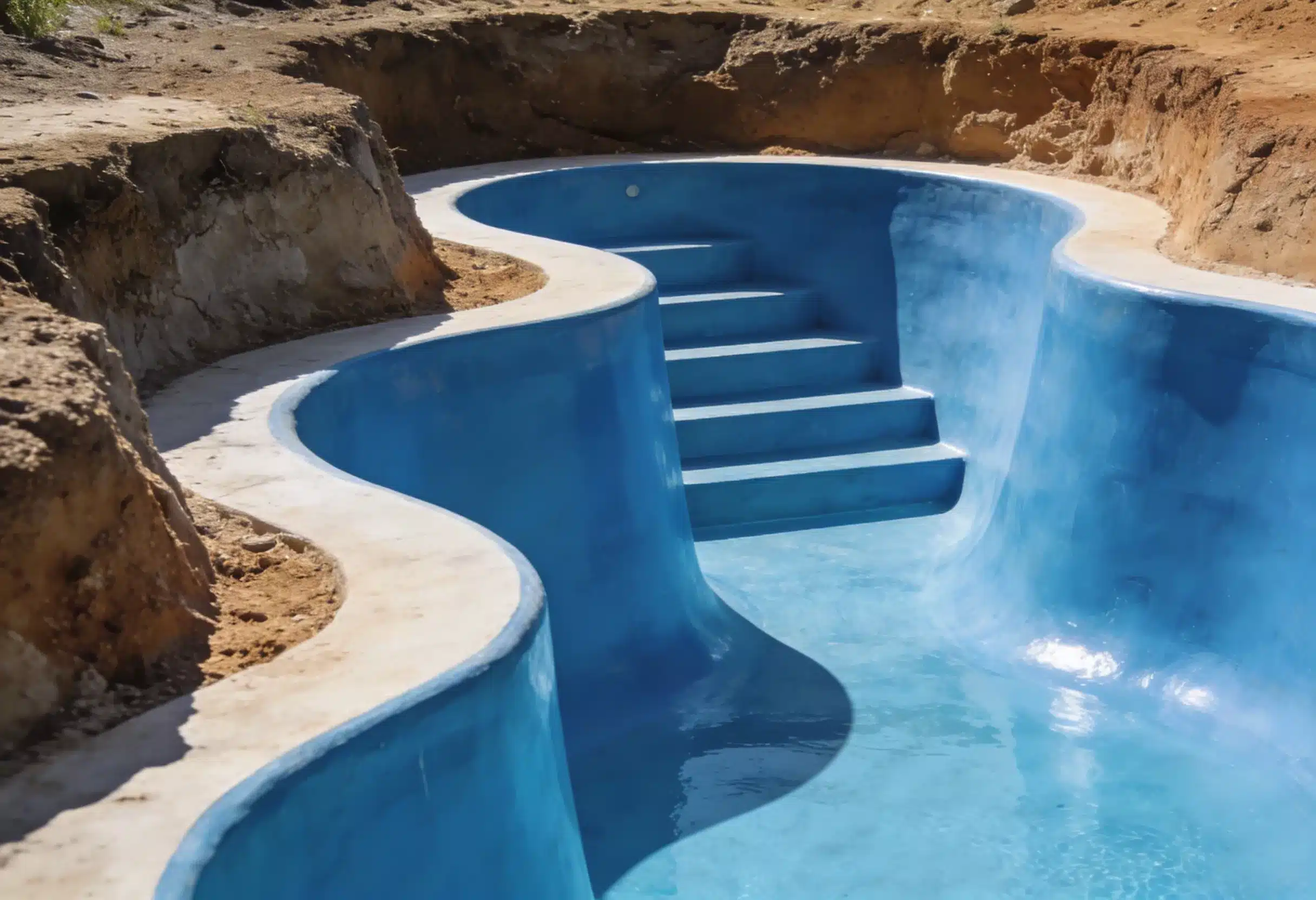
Pool installation in Canada is a structured, multi-stage construction process that transforms a residential backyard into a permanent swimming environment. The process begins with planning, permitting and layout marking using precise dig sheet measurements for length, width and depth. Excavation follows, with proper overdig for plumbing and accessories. A compacted gravel base ensures stability before the pool structure often a pre-engineered fibreglass shell or alternatively vinyl liner or concrete is installed and levelled. Plumbing components such as skimmer boxes, suction and return fittings, PVC piping, pumps, filters, optional salt systems and hydrostatic pressure relief systems are integrated. Simultaneous water filling and backfilling maintain structural balance. Final stages include decking, fencing and safety compliance. Active construction typically spans 8–12 weeks, though full project completion can extend several months depending on scope, terrain, permits and seasonal demand.
In Canada, pools are primarily categorised as inground (vinyl liner, fibreglass or concrete/shotcrete/gunite) or above-ground. Fibreglass pools offer efficient installation and structural consistency. Vinyl liner pools provide cost flexibility and design adaptability. Concrete pools allow maximum customization and long-term durability. Above-ground pools remain a more affordable and faster-to-install option. Selection depends on yard size, structural preference, depth requirements, budget and long-term maintenance considerations.
Installation costs vary significantly. Professionally installed inground pools typically range from $60,000 to $120,000+, with turnkey projects in provinces such as Ontario often reaching $80,000 to $150,000. Typical installed ranges include vinyl ($60,000–$100,000), fibreglass ($70,000–$120,000)and concrete ($100,000–$250,000). Above-ground pools generally range from $3,700–$11,500, plus installation costs. Pricing is influenced by size, depth, excavation complexity, equipment upgrades, landscaping, labour rates and regional demand. Larger designs, deeper ends or premium finishes increase total investment.
Canadian municipalities regulate pool construction through mandatory permits and safety bylaws. A building permit is generally required for any pool at least 600 mm (24 inches) deep, including in-ground, above-ground, semi-in-ground pools, hot tubs and natural swimming ponds. Approval typically requires a site plan, fencing plan and in many areas a separate pool enclosure permit. Electrical work must be completed by a Licensed Electrical Contractor. Fencing requirements commonly mandate barriers at least 4 feet high with secure, lockable gates. Enforcement occurs at the municipal level, with inspections ensuring compliance with building code standards and safety measures. Regional differences apply: Ontario enforces the 24-inch depth trigger, Quebec applies updated stricter fencing regulations and British Columbia may require operating permits for public or commercial pools.
Pool installation in Canada is completed by specialised companies, authorised dealers and independent licensed builders who manage excavation, structural placement, plumbing and final inspections. Choosing the right pool requires evaluating structure, size, depth, lifestyle needs, maintenance expectations and budget alignment. When properly planned and installed, a pool becomes a durable residential feature that enhances property value and delivers long-term recreational benefit.
What Is Pool Installation?
Pool installation is a multi-stage construction process that involves designing, excavating and building a permanent swimming pool, often a fiberglass pool, though concrete and vinyl liner options also exist in a residential backyard. Popular among Canadian homeowners and often placed on a home improvement to-do list, the process begins once a homeowner has signed on the dotted line and is ready to break ground. Pool installation covers various steps and considerations, moving from planning and permitting through design and placement marking, guided by precise dig sheet specifications accurate to less than an inch for length, width and depth.
The excavation phase, completed using excavators and backhoes, includes proper overdig for plumbing and accessories. A stable base is formed with a compacted gravel bed and screed bars, after which the pre-engineered pool shell transported by low trailer from a manufacturing facility is positioned with a crane and carefully levelled. Installation continues with plumbing and circulation components, including a skimmer box, suction fittings, return fittings, PVC piping, a pump, filter, optional salt system and a recommended hydrostatic pressure release for groundwater control.
The pool is simultaneously filled with water during backfilling using gravel or flowable material to maintain equal pressure and structural stability. Finishing elements such as decking and fencing complete the project. The entire installation typically takes several weeks, during which the yard may resemble a construction site due to heavy equipment but this temporary disruption leads to a properly installed pool that functions through a filtration system designed for algae and contaminant control. With experienced installers who have completed dozens of pools across varied backyard conditions and carefully planned access routes, homeowners gain a durable backyard feature that serves as either a serene retreat or an entertainment hub, delivering years of enjoyment and proving worth the wait.
What Pool Installation Includes?
Pool installation typically involves several essential stages, though the exact process and inclusions can vary depending on the pool type (such as inground, concrete, vinyl or fibreglass) and the company’s specific service package.
Key aspects and components generally included in the installation process are:
- Site inspection and feasibility: Initial assessment of the property to evaluate space, soil condition, drainage and access for equipment, ensuring the site can accommodate the desired pool design.
- Design and engineering planning: Development of detailed pool designs and technical plans that address structural integrity, placement, plumbing and electrical needs and compliance with local building codes.
- Excavation and structural construction: Digging the hole for the pool and constructing or placing the main pool structure. This may include assembling panels, installing reinforcing materials or positioning a prefabricated fibreglass shell.
- Plumbing, electrical and filtration systems: Installation of piping, pumps, heaters, lighting and filtration systems to ensure proper water circulation, cleanliness and energy efficiency.
- Decking, coping and landscaping integration: Pouring concrete or placing paving materials around the pool for safety and aesthetics, then integrating landscaping or hardscaping features to complement the surrounding space.
- Backfill and structural stabilisation: Filling material is placed around the exterior of inground pools to stabilise the structure and prevent movement, warping or cracking over time.
- Final inspection and commissioning: The completed pool is thoroughly inspected for safety, plumbing and electrical integrity and overall functionality before being filled with water, balanced chemically and officially commissioned for use.
A professional installation ensures the pool meets safety standards, achieves lasting durability and integrates seamlessly into the surrounding landscape for long-term enjoyment.
Key Components of a Complete Pool Installation
The key components of a complete pool installation extend from the physical pool structure to the supporting mechanical, electrical and safety systems, as well as long-term operation and climate protection.
Structural and mechanical components
- Pool shell or structural frame: This is the primary load-bearing element, whether a prefabricated fibreglass shell, a vinyl-lined frame or a reinforced concrete structure, permanently installed in the excavated area to retain water and resist soil loads.
- Filtration system and pump: The circulation pump, filter (sand, cartridge or diatomaceous earth), valves and associated plumbing form a closed-loop system that moves water through the filter media to remove suspended particles and support chemical treatment for algae and bacteria control.
- Heating system: Optional but common components such as gas heaters, heat pumps or solar heating panels are integrated into the circulation loop to maintain a usable water temperature within the expected seasonal operating range.
Electrical and safety components
- Electrical bonding and grounding: All conductive components, including the pool shell (where applicable), metal fittings, pump, heater and lighting housings, are electrically bonded and grounded to reduce shock risk and comply with electrical safety standards.
- Safety fencing and enclosure: A code-compliant barrier system, typically including fencing, self-closing and self-latching gates and in some cases alarms or covers, is installed around the pool area to limit unauthorised or unsupervised access.
Integration, environment and maintenance preparation
- Hardscaping and landscaping: Paving, decking, coping and surrounding landscape elements are constructed to provide stable access, manage drainage away from the pool and integrate the installation into the site.
- System connection and commissioning: The pool is filled with water, the mechanical and electrical systems are started and performance is verified, including flow rates, leak checks and basic water chemistry stabilisation.
- Climate considerations and winterization planning: For cold climates, the design and installation account for freeze-thaw conditions (for example, frost-protected piping routes and equipment placement)and provisions are made for winterization procedures such as draining exposed lines, lowering water levels if required and protecting equipment and surfaces during off-season.
Types of Pools Installed in Canada
The types of pools installed in Canada are generally categorised by their installation style (inground or above-ground) and the primary construction material.
For those considering a significant investment in a permanent backyard oasis, there are three primary inground pool options available, which are the most popular choices among authorised pool installers:
- Vinyl Liner Pools: These are a common choice for inground installations.
- Fibreglass Pools: These structures are built into the natural environment and come in a variety of styles and types.
- Inground Concrete Pools: Also widely known as Shotcrete or Gunite pools, these provide a durable, permanent structure.
In addition to these permanent inground options, homeowners also consider installing Above-Ground Pools in their backyards.
Inground Concrete (Gunite/Shotcrete) Pools

Inground concrete pools are built entirely on-site by excavating the desired shape and installing a framework of steel reinforcement (rebar) before applying concrete. These pools are constructed using either gunite (dry-mix) or shotcrete (wet-mix), both sprayed through a hose onto a prepared surface. Known for unmatched durability, superior strength and design flexibility, concrete pools are considered a premium, high-end backyard option, often lasting 50–100 years with proper care. They allow for complete customization, including any shape or size, unique forms like a peanut-shaped pool and features such as infinity edges, waterfalls, custom rock formations and decorative tile finishing. However, they are typically the most expensive option, with costs ranging from $45,000–$85,000+and require 3–6 months of construction, including a mandatory 28-day curing period during which the shell must be kept wet.
Key Differences and Construction
- Gunite (Dry-Mix)
- Uses a dry concrete mix loaded into a hopper and pumped through a hose
- Water is added at the nozzle by a nozzleman
- Allows control over water amount and desired thickness
- Majority of concrete pools are built using gunite
- Easier to spray and shape onto reinforcing steel
- Shotcrete (Wet-Mix)
- Concrete is pre-mixed with water, often delivered by cement truck
- Sprayed through a hose with a blast of air at the nozzle
- Requires precise concrete-to-water ratio during mixing
- Some builders prefer the shotcrete method
- Construction Process
- Excavation of the pool shape
- Installation of steel rebar framework
- Concrete sprayed or poured over rebar
- 28-day curing period
- Surface prepared for finishing
Pros and Cons
Pros:
- Complete customization of look, shape, depth and features
- Ability to create custom rock formations, waterfalls and infinity edges
- Superior strength and durability
- Long lifespan of 50–100 years
- Considered a premium, high-end investment
Cons:
- Higher initial cost ($45,000–$85,000+)
- Longer construction time (3–6 months)
- More intensive, ongoing maintenance
Finishes
After curing, the structural shell is finished with:
- Plaster
- Aggregate
- Quartz
- Pebble
- Tile
These finishes create a smooth, waterproof surface and allow for extensive visual customization of the pool’s final look and feel.
Maintenance
Concrete pools require:
- Consistent chemical balancing
- Regular brushing due to the porous surface
- Preventative care to reduce algae growth
- Plaster resurfacing every 10–15 years
While durable and long-lasting, their porous structure demands more hands-on maintenance compared to fiberglass or vinyl options.
Fiberglass Pools

Fiberglass pools are pre-manufactured, one-piece inground shells built using advanced materials such as Vinyl Ester Resin and in some models reinforced with Composite Armour™ or Centurion Core™ technology. Recognized as the modern choice in pool design, they offer lasting durability, elegant finishes and a smooth, non-porous gelcoat surface that resists algae growth. Designed for Canadian conditions, fiberglass pools are ideal for cold climates, as they flex with ground movement and withstand harsh freeze-thaw cycles, reducing cracking risks. Installation is typically fast, often completed in days or a few weeks since the shell is delivered to the site using specialized transport equipment and placed into excavation. In Canada, costs generally range from $70,000–$120,000, including in Ontario, where a standard 16′ x 40′ pool falls within that range. While fiberglass pools are limited to factory molds, brands such as Leisure Pools and Latham fiberglass pools offer a wide variety of shapes, sizes and styles, from minimalistic and modern designs to freeform tropical escapes, often tailored to your space and lifestyle.
Key Benefits and Features:
- Durable construction with advanced resin materials
- Designed to last for decades, typically 25–30+ years
- Some models include lifetime structural warranties
- Fast installation compared to concrete (days or weeks vs. months)
- Low-maintenance surface that prevents algae growth
- Reduced chemical usage and approximately 30 minutes of weekly upkeep
- No need for resurfacing or liner replacements
- Built-in features such as steps, seating, benches, tanning ledges and integrated spas
- Available in a wide range of shapes and sizes
- Elegant finishes and a smooth, comfortable surface
Fiberglass pools are ideal for homeowners looking to unwind, entertain and make memories with a long-term backyard investment.
Considerations
- Initial cost ($70,000–$120,000) may be higher than smaller vinyl liner pools
- Shapes and sizes are limited to factory molds, offering less customization than concrete
- The shell must be transported to the site, requiring planning and specialized equipment
- While cheaper long-term than concrete due to lower maintenance, upfront pricing remains a significant investment
Maintenance and Longevity
Fiberglass pools are known for their low-maintenance performance:
- The non-porous gelcoat surface resists algae growth
- Requires less chemical balancing compared to concrete
- No liner replacement cycles
- No resurfacing required
- Estimated lifespan of 25–30+ years, with some models lasting for decades
With their combination of durability, climate flexibility, modern aesthetics and lower maintenance demands, fiberglass pools remain one of the most popular inground pool options across Canada.
Vinyl Liner Pools

Vinyl liner pools are budget-friendly, customizable inground pools built with a structural frame of galvanized steel or polymer walls, a vermiculite or concrete floor and a custom-fitted vinyl sheet that acts as the waterproof barrier. The liner functions like a sealed “bag” that holds the water and is commonly available in 30 Gauge vinyl thickness, meeting North American industry standards. These pools are known for unmatched design flexibility, allowing homeowners to customize size, shape, colour, liner patterns and features to create a personalized backyard retreat. Installation is relatively fast, typically 4–8 weeks and upfront costs usually range between $35,000–$65,000, though projects with landscaping, electrical work and custom features can exceed $100,000. Vinyl liner pools are often $10,000+ less expensive initially than concrete or fiberglass alternatives, making them a popular option across varied Canadian climates.
Key Aspects of Vinyl Liner Pools
- Constructed with steel or polymer wall systems
- Base made of vermiculite or concrete
- Waterproofed by a custom vinyl liner (30 Gauge thickness available)
- Installed in approximately 4–8 weeks
- Average installation cost: $35,000–$65,000
- Premium projects may exceed $100,000
- Replacement liner is typically required every 5–9 years
- Replacement cost averages $4,500 (labour, materials, water, chemicals)
- Estimated $7,000 in electricity and chemical costs over 10 years
- Uses less electricity and fewer chemicals than concrete pools
- Performs well in freezing, cold climates
Pros and Cons
Pros:
- Lower initial cost compared to concrete and fiberglass
- Highly customizable shapes and sizes
- Comfortable, non-abrasive, soft-surface finish
- Faster installation timeline
- Suitable for cold Canadian climates
- Lower day-to-day chemical and electricity usage
Cons:
- Liner replacement every 5–9 years
- Replacement costs approximately $4,500 per cycle
- Prone to punctures or tears (sharp objects, pet claws)
- Sensitive to improper chemical balance
- Potential for algae growth behind the liner if not maintained
- Generally lower resale value than concrete or fiberglass
Common Customizations
Vinyl liner pools offer broad design versatility, including:
- Shapes: rectangular, lagoon, kidney and custom configurations
- Features: tanning ledges, specialized steps, built-in benches
- Liner patterns: modern inground liner designs
- Proprietary systems like UltraSeam® liner technology for seamless strength and enhanced durability
- A wide selection of colours and finishes to achieve a modern appearance
Vinyl liner pools remain a versatile, cost-effective and comfortable inground pool solution for Canadian homeowners who prioritize design flexibility and affordability while understanding the periodic maintenance requirements associated with liner replacement.
Above-Ground Pools

Above-ground pools are a great, high-quality solution for spending time as a family, getting active, enjoying the outdoors and relaxing, while keeping the family entertained all summer long.
Many available models are premium quality and made in Canada (including models made with pride in Québec) or the US, specifically engineered to withstand tough winters. These pools are offered in various shapes and sizes to fit any backyard and budget, often with a guaranteed lowest price.
Customers can select from numerous durable material options, offered by brands such as Carvin, Nirvana, Vogue and Jacuzzi:
- Steel
- Aluminium
- Aluminium Resin
- Resin
- Wood
These material options are popular for their durability and the right choice depends on individual needs. Assistance from pool specialists is available for selecting the appropriate model and dream pool package.
Pool Installation Cost in Canada
Pool installation in Canada typically ranges from $60,000–$120,000+ for a professionally installed inground pool, with turnkey projects in Ontario often reaching $80,000–$150,000. Costs vary based on pool type, size, materials, region, equipment and landscaping. By type, installed pricing generally falls within: Vinyl ($60,000–$100,000), Fiberglass ($70,000–$120,000)and Concrete ($100,000–$250,000). Above-ground pools remain the most affordable option at $3,700–$11,500 plus $1,500–$7,500 installation. Larger pools (e.g., 40-foot with an 8-foot deep end) increase excavation, material and labour costs. Market demand has pushed smaller “no-frills” installs toward $35,000–$45,000, while fiberglass projects commonly sit around $55,000–$60,000+.
Average Pool Installation Cost by Pool Type
Average pool installation costs vary based on pool type, size, location, customization level, site conditions and project scope. In Canada, inground pools typically range from $35,000 to $150,000+, while higher-end projects commonly fall between $85,000 and $225,000and fully customized luxury builds can exceed $250,000. Pricing is often calculated using a cost-per-square-foot model, with 2026 averages ranging from $175 to $300 per sq ft, depending on materials and regional labour rates.
Smaller pools (such as 12×24 vinyl designs at approximately $50,000) sit at the lower end of the spectrum, while larger builds (like 20×40 concrete pools exceeding $120,000) significantly increase excavation, structural reinforcement and installation time. Per-square-foot pricing generally includes materials, excavation, plumbing and a basic finish but excludes upgrades such as luxury water features, decking, fencing, heaters ($1,500–$6,500)and landscaping ($5–$50 per sq ft for decking). Site conditions such as rocky soil, high water tables (common in parts of Southern Ontario), deeper excavation and drainage systems or sump pumps also increase total cost. Installation timelines vary by material fiberglass (about one week), vinyl (a few weeks) and concrete (a few months) and inground pools can increase property value by approximately 5% to 7%.
Average Cost by Main Inground Pool Types
| Pool Type | Typical Cost Range (Installed) |
| Fiberglass Pools | $70,000 – $120,000 (can range $45,000 – $200,000 depending on scope) |
| Vinyl Liner Pools | $45,000 – $100,000 (entry installs may start around $35,000–$60,000) |
| Concrete (Gunite) Pools | $95,000 – $225,000 (premium builds $100,000 – $250,000+) |
Additional Reference Ranges
- Plunge Pools: $10,000 – $35,000
- Above-Ground Pools: $1,600 – $7,500
- Semi-Inground Pools: $7,000 – $25,000
- Indoor Pools: $120,000 – $300,000+
Overall, the average pool installation cost depends on type, square footage, depth, customization, site complexity, upgrades and long-term maintenance planning, making early budgeting and detailed project scoping essential for Canadian homeowners.
Main Pool Installation Cost Variables
The main pool installation cost variables depend on several core factors that determine the final price of an inground pool, making estimates highly specific to the project site. The primary variables influencing installation costs include:
- Physical Attributes: The desired size, choice of construction materials and the complexity of added features.
- Site Conditions and Accessibility: Specific site conditions, geographical challenges and accessibility issues related to the property can cause installation costs to fluctuate significantly. This includes excavation difficulty, soil condition (clay, rock, sand)and equipment upgrades required for challenging terrain.
- Regional Labour Costs: The local regional labour costs in your installation area play a major role in the overall budget.
- Finishes and Systems: Decking material selection, heating and automation systems that enhance functionality and comfort.
- Landscaping Scope: Surrounding hardscaping, fencing and yard integration, which must also be factored in.
While installation costs typically range from $22,000 to $40,000, secondary costs such as landscaping and fencing must also be factored in, sometimes requiring an additional budget of $10,000 for a fully landscaped yard. Due to these many specific factors, an accurate estimate requires a contractor or local dealer to visit the home and provide a detailed assessment.
Regional Pool Installation Cost Differences
Pool installation costs in Canada vary widely by province and region, with higher prices typically found in urban areas or regions with elevated living costs and more affordable options in rural or less expensive locations. For example, inground pool projects might range from about CAD $45,000 in parts of the Prairies to CAD $120,000+ in major cities like Toronto or Vancouver.
Regional Cost Breakdown (Inground Pools, CAD)
- Greater Toronto Area (GTA): $70,000–$140,000+
- Oakville: $75,000–$145,000+
- British Columbia: $65,000–$150,000+
- Ontario (outside GTA): $55,000–$130,000
- Quebec: $50,000–$110,000
- Alberta: $60,000–$125,000
- Manitoba/Saskatchewan: $45,000–$90,000
- Atlantic Canada: $48,000–$100,000
Factors Driving Regional Differences
- Labour Rates: Local contractor wages fluctuate from CAD $50–$140/hour for general installers and CAD $40–$130 for specialised trades like electricians or equipment technicians.
- Site Conditions & Access: Properties with rocky terrain, clay-heavy soil, high groundwater or limited equipment access (such as sloped yards needing cranes) can increase costs by thousands.
- Permits & Regulations: Municipal fees range from CAD $400–$2,000+, depending on local building codes, zoning rules and safety inspections.
- Climate & Construction Timing: Shorter building seasons in colder regions lead to higher demand, tighter schedules and elevated pricing during peak summer months.
Ongoing Ownership Pool Installation Costs
Ongoing pool ownership in Canada requires regular maintenance expenses, typically CAD $800–$2,500+ annually for inground pools, representing about 8–12% of the original build cost over time. These costs include water chemistry management, consumables, power for circulation systems, electricity usage from pumps and heaters and seasonal opening and closing services, with each seasonal service often priced at CAD $350–$600.
Annual Maintenance Costs by Pool Type
- Vinyl Liner: CAD $1,200–$1,800 yearly, plus liner renewals of CAD $4,000–$7,500 every 8–12 years.
- Fibreglass: Lowest operating costs at CAD $500–$1,100 per year due to smooth surfaces and minimal refinishing.
- Concrete/Shotcrete: Highest at CAD $2,000–$3,500+ annually, including periodic acid cleaning (CAD $450–$750 every 3–5 years) and plaster recoating (CAD $8,000–$14,000 every 12–15 years).
Key Ongoing Expense Factors
- Utilities: Electricity usage for pumps, filters and heaters can contribute CAD $300–$900 to yearly bills, depending on runtime and system efficiency.
- Chemicals: Sanitizers, pH balancers and algaecides total CAD $400–$700 annually, with prices affected by supply fluctuations.
- Repairs & Equipment: Periodic replacements such as pumps (CAD $350–$2,500) or gas/electric heaters (CAD $1,200–$6,000) represent significant investments.
- Insurance: Home policies may rise by CAD $40–$150 yearly to cover pool-related liability risks.
- Safety Requirements: Code-mandated barriers like fencing add CAD $800–$4,500 upfront, with occasional upkeep for hardware or compliance.
- Seasonal Opening and Closing: Essential in Canadian climates, these services involve system startup, winterization drainage and equipment protection, typically costing CAD $350–$600 each way to prevent freeze damage.
Pool Installation Timeline in Canada
Pool installation timelines in Canada typically range from 8 to 12 weeks for active construction but the full process from purchase and design to final completion can extend over several months. The total duration depends heavily on project complexity, site conditions and seasonal demand. While straightforward builds may stay within the 8–12 week window, more customized or terrain-challenged projects require additional planning, permitting and coordination.
Here are the key times and factors for pool installations listed:
- Project scope: Size, customization level and added features
- Selected options: Water features, spas, upgraded equipment
- Terrain conditions: Sloped yards, rocky soil, high water tables
- Time of year: Spring and early summer demand can extend schedules
- Planning stage: Delays in permits, approvals or design changes
- Market demand: High seasonal booking volumes
Early planning especially for homeowners aiming for summer completion helps secure contractor availability, manage permits efficiently and keep the project aligned with the desired timeline.
Planning & Permit Phase
Planning and permitting for pool installation usually takes 1–8 weeks and covers design finalisation, site assessments and obtaining municipal approvals for zoning, building codes, safety barriers and fencing. Key steps involve confirming pool dimensions and type, arranging utility locates to avoid buried lines and submitting scaled site plans and engineering drawings, with approval timelines often spanning 4–8 weeks depending on local authorities.
Construction Timeline by Pool Type
The construction timeline for inground pools is highly dependent on the type of material chosen and the project’s complexity but generally ranges from a few weeks to several months. While a simple overall pool project averages 10–12 weeks once the permit is approved, the typical durations vary significantly by pool type:
- Vinyl Pools: These pools have the shortest construction time, often finishing in as little as 10 days because the installation utilises pre-cut liners.
- Fibreglass Pools: Installing the pre-fabricated shell of a fibreglass pool typically takes 2 to 3 weeks or as little as three weeks, making them a relatively quick option.
- Concrete/Gunite Pools: These involve the longest and most complex processes, including pouring and curing the concrete.
Simpler concrete installations generally require 8 to 12 weeks, while complex, custom-designed projects can last anywhere from three to six months or more.
Seasonal Considerations
Fall and early spring are generally the best seasons for pool installation in Canada, providing firmer ground, greater contractor availability and possible savings over peak summer demand. Summer allows quicker access to swimming but often faces delays from weather and backlogs, while winter suits planning ahead in milder southern regions.
Here is the Seasonal Considerations list:
- Fall (September–November): Ideal due to drier soil, reduced contractor schedules and lower material costs; pools complete by next spring’s warmup with time for site recovery.
- Winter (December–February): Offers top pricing and scheduling flexibility for design and permitting; excavation waits for thaw in colder areas like Ontario or Quebec, avoiding spring rushes.
- Spring (March–May): Popular for summer readiness but rain, mud and high demand can extend timelines and raise costs.
- Summer (June–August): Highest demand leads to waitlists and premiums; heat slows crews, though monitoring progress is easier.
Pool Permits and Regulations in Canada
In Canada, most municipalities require a building permit to construct, erect, install or demolish a private swimming pool. A pool is legally defined as an artificially created basin intended for swimming, diving, wading or similar activity with a depth of at least 600 mm (24 inches). This requirement applies broadly to in-ground pools, above-ground pools, semi-in-ground pools, hot tubs and even natural swimming ponds. In many municipalities, a separate pool enclosure permit, along with a site plan and fencing plan, is required as part of the approval process. Electrical work must be completed under a specialized permit by a Licensed Electrical Contractor (LEC). Seasonal pool permits may cover erection and demolition provided there are no changes to pool location, walkways or enclosures.
Safety is the central objective of Canadian pool bylaws. Most municipalities mandate fencing (often 4+ feet high) with a secure, lockable gate to prevent unsupervised access. These rules typically apply to permanent, temporary and inflatable pools alike. Regulations are enforced by local municipalities, not the province, with inspectors verifying compliance with building code standards and safety measures. Many communities draw guidance from the Pool & Hot Tub Council of Canada (PHTCC) model by-law, which promotes the Layered Approach to Swimming Pool Safety, supported by injury prevention research and industry expertise. Although the PHTCC is a voluntary, not-for-profit association and not an accredited national standards-writing body, municipalities are encouraged to adopt its recommendations in whole or in part.
Regional differences also apply. In Ontario, permits are generally required for pools deeper than 24 inches. In Quebec, updated regulations require stricter fencing and safety compliance for in-ground, semi-in-ground and above-ground pools with direct ground access. In British Columbia, operating permits from medical health officers may be required for public-facing or commercial pools. Setback rules commonly require pools to be located a minimum distance from the house (e.g., 10 feet). Importantly, the intended use determines classification projects described as “ponds” but intended for swimming are typically treated as pools. Failure to obtain permits or comply with fencing bylaws may result in fines or removal orders, making it essential to contact your local city or township planning department for up-to-date requirements.
Municipal Permit Requirements
Municipal permit requirements often necessitate obtaining a specific building permit for common construction projects. For private facilities, a Private Swimming Pool Permit is specifically required if you are building or demolishing a private swimming pool.
Furthermore, public swimming facilities are subject to inspection and compliance monitoring by Public Health Inspectors with provincial or regional health authorities. These inspections ensure compliance with provincial swimming pool regulations and supporting standards. The regulated public facilities include:
- Public swimming pools
- Mineral spas
- Whirlpools
- Paddling pools
- Water-themed facilities
Property Line & Setback Rules
The property line and setback rules for major additions, such as inground pools, are governed by specific zoning by-laws and permit requirements. In the City of Ottawa, such additions are considered major and require a building permit. The application process necessitates the submission of detailed plans outlining pool design, dimensions, safety features (such as fencing)and all necessary setbacks from property lines and existing structures like homes, sheds and neighbouring properties.
Specific regulations apply to the location of water circulating or treatment equipment, such as pumps and filters. Unless this equipment is entirely located within an enclosed structure, it must adhere to the following minimum setback requirements:
- Side Lot Line: No closer than 3 metres (3m).
- Rear Lot Line: No closer than 1 metre (1m).
- Abutting Lines: Where a rear lot line abuts a side lot line, the required setback shall be 3 metres (3m).
Drainage & Grading Compliance
Drainage and grading compliance involves ensuring that the site is properly prepared to manage water runoff and that all necessary systems adhere to local building codes and regulations. Proper yard grading is crucial as it prevents water from pooling around the new pool, a condition that can cause long-term structural issues like cracks, shifting or other damage to your investment. Pools are ideally installed slightly higher than the surrounding area to ensure water drains away safely, sometimes requiring additional systems like French drains to divert runoff. Furthermore, before designing any drainage system, it is essential to familiarise yourself with local legislation, as regulations vary by location; compliance is necessary to avoid potential fines or project delays, making consultation with a knowledgeable swimming pool builder vital to ensure all requirements are met.
Who Installs Pools in Canada?
Pools in Canada are typically installed by a variety of professionals, including specialised installation companies like EasyPools and a network of independent pool builders and authorised dealers.
Specialised installation companies like EasyPools focus on particular pool types across various properties, including homes, cottages, acreage and businesses, emphasising professionalism, quality and affordability. The broader industry often relies on independent entities; major product lines are supplied and installed through a network of independently owned and operated dealers authorised under a licence. Similarly, clients are matched with the perfect independent pool builder in their area who has the necessary experience to complete the project.
Specialised Pool Contractors
Specialised pool contractors in Canada deliver high-quality, custom inground, fibreglass or concrete pools with expert installation, maintenance and repair services. These professionals, trained in plumbing, hydraulics and structural systems, manage projects from initial design through completion while ensuring compliance with local building codes and industry standards.
Key services offered by Specialized pool contractors during pool installation:
- Custom Design & Construction: Tailored inground pools adapted to unique backyard terrain, sizes and features like steps or benches.
- Fibreglass Installation: Rapid placement of prefabricated shells, prized for durability and low long-term maintenance in harsh climates.
- Vinyl Liner Replacement: Precision refitting of durable liners (20–30 mil thickness) to restore watertight integrity without full rebuilds.
- Maintenance & Service: Seasonal opening/closing, water balancing and routine cleaning to prevent algae and equipment failure.
- Equipment Installation: Integration and servicing of pumps, filters, heaters and automation for efficient circulation and energy use.
Licensing, Insurance & Compliance
Licensing, insurance and compliance are critical safeguards when hiring pool contractors in Canada, ensuring projects meet provincial standards and protecting clients from risks like substandard work or accidents. Proper credentials verify a contractor’s training in local building codes, while coverage handles liabilities from property damage or injuries during excavation, electrical or plumbing phases.
Key Requirements for pool installation:
- Licensing: Confirms expertise via provincial or municipal registration (e.g., Ontario College of Trades or local builder licences), mandating code adherence for zoning, setbacks and safety barriers.
- Insurance: General liability (minimum CAD $2M recommended) and WSIB coverage shield homeowners from construction mishaps, equipment theft or neighbour disputes.
- Verification Steps: Request certificates upfront, cross-check with authorities like provincial contractor boards and confirm bonding for warranty-backed work to avoid fines or delays.
How to Choose the Right Pool for Your Property?
Choosing the right pool for your property involves considering the pool structure, its size relative to your yard and the depth required for your lifestyle and safety needs.
Key factors to consider when selecting a swimming pool include:
- Pool Structure and Budget: Composite fibreglass swimming pools are often considered the best available structure for the majority of customer requirements (around 95%). Compared to above-ground or vinyl liner pools, fibreglass offers superior long-term benefits in terms of lower maintenance and increased home value, making it the best decision in the long run even if you need to save up the difference.
- Size and Design: The pool size should balance functionality with aesthetics while fitting your lifestyle and long-term plans. For smaller yards, compact designs like plunge or cocktail pools are ideal. Larger properties have the option to install luxury or infinity pools.
- Depth Requirements: The depth of a swimming pool should reflect your family’s lifestyle and safety needs. Whether you prefer a normal depth (such as 4.5 feet) for daily relaxation or a deep end designed for laps and diving, the right depth ensures years of enjoyment.
Budget Range
The budget range for pool installation varies widely based on the pool type (above-ground versus in-ground) and materials, with the cost to install an in-ground pool often being surprisingly high and requiring factor-in ongoing expenses necessary to keep the pool safe and functional year after year.
Specific budget ranges based on pool type, size and material are detailed below:
- Above-Ground Pools: These pools, which utilise resin, wood or steel siding, typically range from $3,700 (starting with a 12-foot resin pool) up to around $7,000 for the largest round models (such as 30 feet). Oval above-ground pools have prices reaching up to $11,500 for larger dimensions (e.g., 18 x 33-foot models).
- In-Ground Pools: Prices for in-ground pools vary substantially based on the pool type, size, location and project scope. The following ranges represent averages for full installation, though costs for electrical work, patio, fencing and extras are often additional:
- Vinyl Liner Pools: Approximately $45,000 to $100,000.
- Fibreglass Pools: $85,000 to $200,000.
- Concrete (Gunite) Pools: $95,000 to $225,000.
Yard Size & Layout
Yard size and layout are critical factors in determining the appropriate dimensions and placement of a swimming pool. Generally, it is wise to limit the pool to occupy no more than about 25% of your total yard space. For smaller lawns measuring 1,200 square feet or less, it is recommended that the pool be no larger than 12′ x 24′. If the lawn is larger than 1,200 square feet, a more spacious pool may be considered but all plans are subject to local zoning regulations and the requirement to maintain a balanced design. Regardless of the lot size, consulting an expert is recommended to ensure the chosen size is appropriate for your specific needs.
Before selecting the shape and size of the pool, you must thoroughly evaluate several specific aspects of your backyard space:
- The yard’s precise dimensions, slope and any existing features, such as trees or patios.
- Allowing sufficient room for surrounding elements like lounging areas, walkways and necessary landscaping.
- Checking for potential conflicts with underground utilities and other site factors that may affect placement and construction.
- Recognizing that while lot standards exist, various pool shapes can work for different backyard layouts, lifestyles and space constraints.
Maintenance Commitment
The maintenance commitment required for a pool involves understanding its necessity for safety, enjoyment and investment preservation, alongside performing routine tasks and utilizing professional support. While maintaining a pool doesn’t have to be an onerous chore, it requires knowledge and a consistent focus on keeping the pool in excellent condition, noting that each pool type comes with its own specific requirements for longevity.
Long-Term Property Value Impact
The long-term property value impact of installing a swimming pool is generally an increase in the home’s worth, particularly for houses, although the financial return may not be immediate in the short term. Overall, the presence of a swimming pool increases property value by an average of +16.3% when combining houses and apartments.
The increase in value is particularly marked for single-family homes and houses, where the impact on the selling price can climb to +19.5%. In specific housing markets, a professionally designed pool can increase property value by 5–10% or even more in regions where pools are highly desired. Apartments typically see a smaller gain of about +6.9% because pools in those settings are often shared among co-owners.